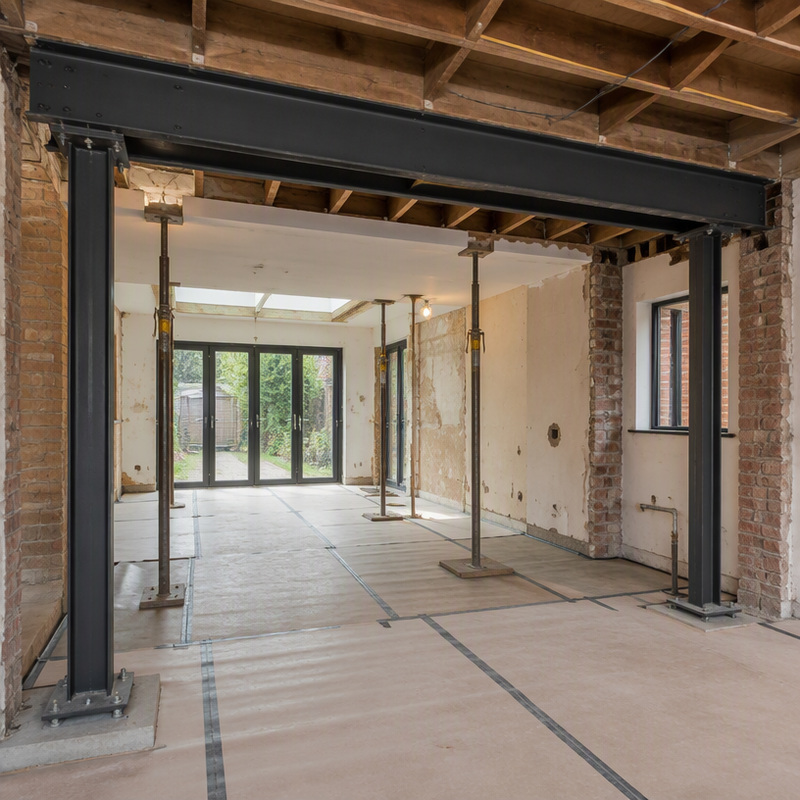
Key Considerations for Residential Steel Beams

All Categories

residential steel beam

Residential  steel beams play a crucial role in modern construction, providing  the structural support needed for various residential applications.  These beams are  engineered to withstand significant  loads, making them essential for  ensuring the  safety and stability of homes.  As a B2B buyer  in  the construction industry,  understanding the specifications,  quality,  and installation of residential steel beams is  vital. This  article will help you navigate  the key considerations when purchasing  residential steel  beams, including supplier reliability, quality evaluation, common  installation issues, and cost  factors.  For instance, when you consider the safety of your construction, it's important to look into Portal Frame Rigid Bent Pre-engineered Steel Column and Rafter which can provide additional structural integrity.
Reliable Suppliers for Wholesale Residential Steel Beams

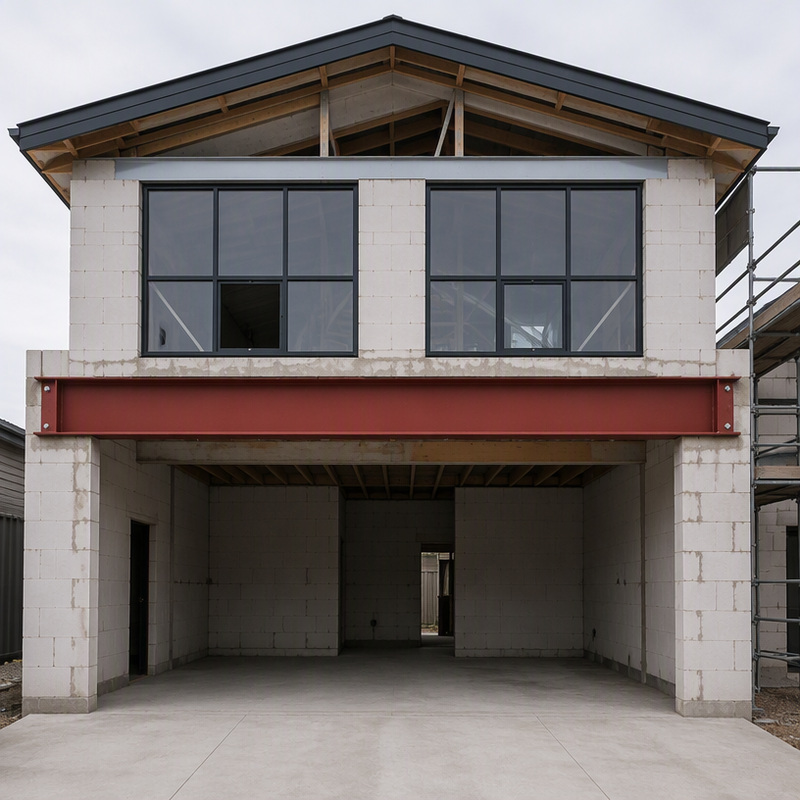
Reliable Suppliers for Wholesale Residential Steel Beams

Finding a reliable  supplier for residential  steel beams is paramount to ensuring project  success. Buyers should look  for manufacturers with a proven track record in the industry, such as Shenyang Haibo Weiye  Light Steel Color Plate Co., Ltd, which integrates design, production,  and sales. A supplier's manufacturing capabilities, including advanced production lines and CNC welding equipment, can significantly impact the quality and consistency of  the  beams.

It’s also advisable to assess the supplier's production capacity and lead times. Reliable suppliers should  be  able to provide clear timelines for order fulfillment and delivery. Importantly, consider the supplier's experience in exporting products, as this can indicate their ability to handle  logistics and international shipping needs effectively.

When evaluating potential suppliers, buyers should request references or case  studies  from previous clients. This feedback  can provide insights into  the supplier's reliability, product quality, and customer  service. Establishing a  good relationship with your supplier can lead  to better communication and  support throughout the project.
Evaluating the Quality of Residential Steel Beams for Construction

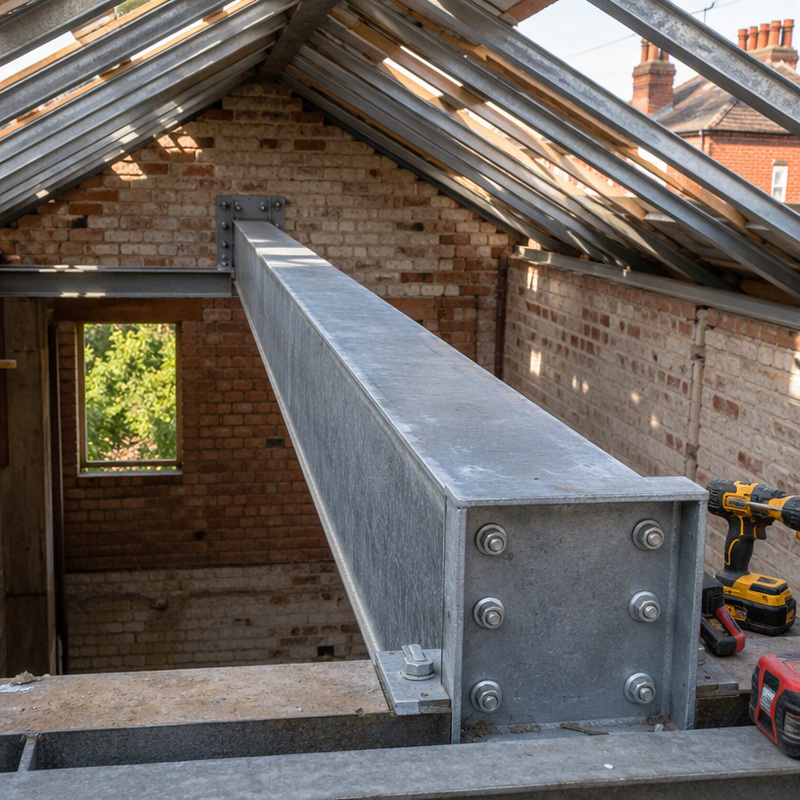
Evaluating the Quality of Residential Steel Beams for Construction

Quality  evaluation of residential steel beams involves examining various specifications and manufacturing processes. Key specifications to consider include material grade, dimensions,  and  load capacity. The  steel grade should meet industry  standards, such as ASTM  A992 for structural  steel shapes,  which ensures adequate strength  and durability.

Buyers  should also inspect the surface treatment of  the beams, as this can impact resistance to corrosion and overall lifespan. Common treatments include hot-dip galvanizing  or powder coating, which provide protection against environmental factors.

Before  finalizing a purchase,  it is advisable to request samples or conduct  a site  visit to evaluate the manufacturing process. Observing the production lines and quality  control measures can provide assurance about the supplier's commitment to quality. Additionally, understanding the testing  methods employed by the manufacturer, such as tensile strength and load testing, can help buyers verify that  the beams will  perform as expected under real-world conditions.

Common Installation Problems with Residential Steel Beams and Solutions

Common Installation Problems with Residential Steel Beams and Solutions

Installation of residential steel beams can  present challenges that, if not addressed, may lead to structural issues. One common problem is improper alignment during installation, which can  result  in  undue  stress  on the beams and surrounding structures. To mitigate  this, it is crucial to use precise measuring  tools and follow  the manufacturer's installation guidelines.  For instance, using a Laser-cut Steel Gusset Plate Connection Plate Fabrication can improve the connection quality during installation.

Another issue is the connection points between beams and other structural elements, which must be correctly designed to handle the  expected  loads. Using the appropriate types of fasteners and ensuring proper welding or bolting techniques is essential for maintaining overall  structural integrity. Engaging experienced contractors familiar with steel beam  installation can help reduce the likelihood of these issues.

Additionally, environmental  factors such as temperature fluctuations can affect the installation process.  Steel  expands and contracts with temperature changes,  so it is  vital to allow for this movement in the  design and installation phases.  Properly accounting for these factors can prevent future structural problems.

Cost Factors to Consider When Purchasing Residential Steel Beams

The cost of residential steel beams can vary significantly based on several factors, including  material type, dimensions, and market conditions.  High-strength  steel typically  incurs a higher price, but it may provide long-term savings through increased  durability and reduced maintenance costs.

Lead times can also impact pricing; if a project  requires expedited delivery,  additional costs may  be incurred. Buyers should clearly communicate their timeline requirements to suppliers to get accurate quotes.

Another cost consideration is the quantity ordered. Many manufacturers have minimum order quantities (MOQ), which  can affect pricing. Bulk purchases may provide cost savings, but  buyers should  ensure that  they only order what is  necessary to avoid excess inventory.

Finally, delivery  and handling costs should be  factored into the overall pricing. Understanding shipping logistics and potential tariffs or duties for international orders  is essential for accurate budgeting. Buyers should ask suppliers for a breakdown of all  associated costs to make informed purchasing decisions.

By carefully considering these aspects, buyers can ensure that they select the right residential steel beams for their construction projects, balancing  quality, cost, and  reliability effectively.

What Buyers Need to Know

When purchasing residential steel beams, buyers should be aware of several critical factors. First, understanding the different types of steel beams, such as H-section and box columns, is essential for selecting the  right product for your specific application. These beams are made  from high-strength steel, which ensures  durability and structural integrity.

Buyers should also  consider the dimensions and weight of the beams, as these factors will impact  transportation and installation.  The load-bearing  capacity is another essential specification; it should be  evaluated based on the intended use of the beam within the overall structure. Additionally, potential buyers should be aware of any customization needs, such as specific  lengths or  surface treatments, which can affect both performance and cost.

Quality assurance is another  crucial aspect of  the purchasing process. Buyers should inquire about the  manufacturer's quality control  processes and any relevant certifications that ensure the beams meet industry  standards. For instance, a reputable manufacturer would typically  conduct  rigorous testing and inspections throughout the  production process  to ensure  that their products are reliable and safe.

Frequently Asked Questions

What is a residential steel beam used for?

A residential steel beam provides primary structural support for floors, roofs and load-bearing walls in homes, enabling longer spans and slimmer profiles compared to timber.
We supply H section beams, box columns and various beam profiles in customizable lengths, widths and thicknesses to meet different residential engineering needs.
Yes. We offer custom design, cutting, CNC processing and welding to match your structural drawings, load requirements and installation dimensions.
Beams are produced from high-grade structural steel on advanced lines, inspected for dimensions and weld quality to meet regional building codes and engineering specs.
Lead time depends on size and quantity; typical production is weeks, with faster turnaround for standard sections. We handle packaging and logistics for timely delivery to project sites.

Get a Free Quote

Our representative will contact you soon.
Email
Name
Company Name
Message
0/1000

Related product categories

Get a Free Quote

Our representative will contact you soon.
Email
Name
Company Name
Message
0/1000