EN
Residential steel frame construction is becoming increasingly popular due to its durability, design flexibility, and cost-effectiveness. For B2B buyers, such as purchasing managers, engineers, and product managers, understanding the nuances of selecting high-quality steel frames is crucial. This article will guide you through the key considerations for sourcing residential steel frame construction products, highlighting specifications, supplier sourcing, comparisons, and common issues you may encounter.
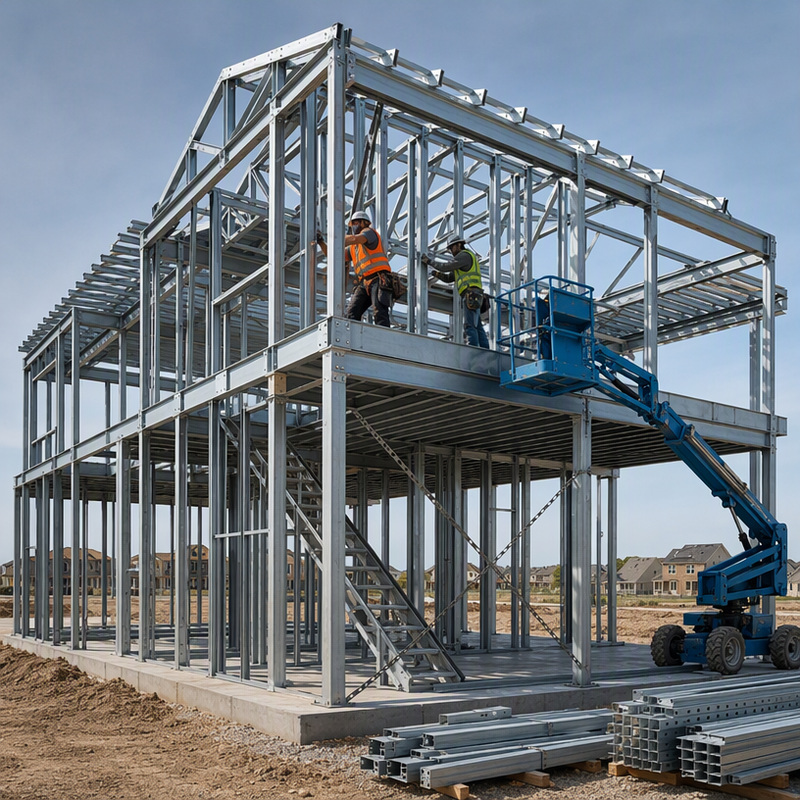
Key Specifications for Residential Steel Frame Construction Products
Several specifications are critical when evaluating steel frames. Key specifications include:
Thickness: The gauge of the steel impacts both strength and weight. Thicker steel may provide greater strength but can also increase costs and weight. Consider the load requirements of your project to determine the appropriate thickness.
Dimensions: Accurate dimensions are crucial for ensuring that frames fit correctly within the overall construction design. Pay attention to the section properties of beams and columns, including depth, width, and length. Utilizing a PU PIR Insulated Wall Sandwich Panel can help maintain thermal efficiency in your construction.
Finish: Steel frames often require protective coatings to prevent rust and corrosion. Galvanization or epoxy coatings are common finishes that enhance durability, especially in environments exposed to moisture.
Weld Quality: The quality of the welds used in assembly should also be scrutinized. Poorly executed welds can lead to structural weaknesses, making it essential to partner with manufacturers who have proven welding capabilities and certifications.