EN
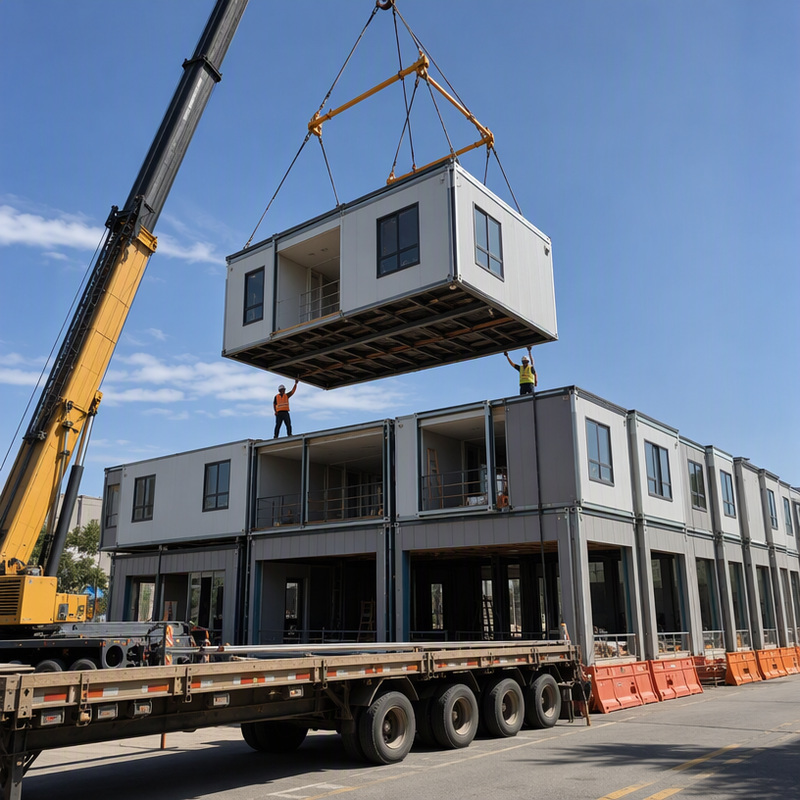
In recent years, residential modular buildings have gained significant traction in the construction industry. These structures are prefabricated in a factory setting and then transported to the site for assembly, offering flexibility, speed, and efficiency. B2B buyers, such as purchasing managers and project engineers, often express concerns about material selection, cost factors, and supplier reliability. This article will provide insights on sourcing reliable suppliers, understanding cost considerations, addressing common problems, comparing material advantages, and offering wholesale purchasing tips for residential modular buildings.
Cost Factors to Consider When Buying Modular Buildings in Bulk
When purchasing residential modular buildings, several cost factors come into play. Firstly, the material selection can heavily influence the overall price. For instance, steel structures may come with higher initial costs but offer long-term durability and lower maintenance expenses. Conversely, using alternative materials like wood may reduce upfront costs but could lead to higher maintenance and replacement costs over time.
Additionally, the complexity of the design and customization options will impact pricing. More intricate designs require additional labor and resources, which can increase costs. Bulk purchasing can often yield discounts, but buyers must also consider the minimum order quantities (MOQ) set by suppliers.
Don’t forget to factor in transportation and installation costs. These can vary based on the distance from the manufacturing facility to the construction site and the logistical challenges involved. Ensure that you get a clear breakdown of all costs from your supplier to avoid unexpected expenses.