
Steel Beams for Basement Construction: Key Insights

All Categories

steel beams for basement

Steel  beams are integral  components in  basement construction,  providing essential  structural  support and durability. When  selecting steel beams for basement projects,  buyers often focus  on specifications, sourcing, installation, common  issues,  and  advantages. This  article aims  to address  these  key areas, helping purchasing  managers, engineers,  and product  managers make informed decisions when sourcing steel  beams for their construction needs.
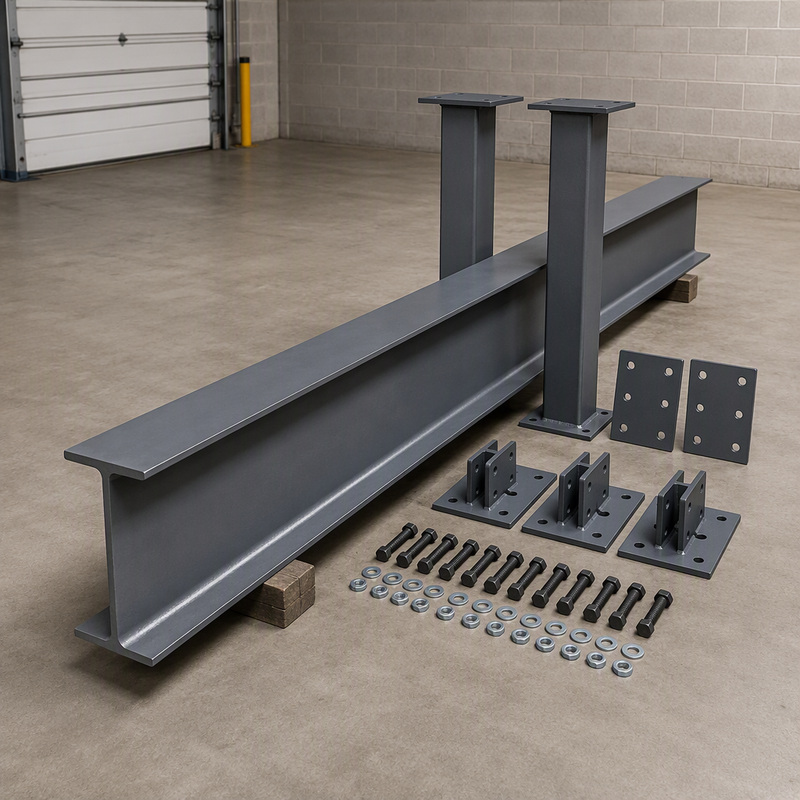
Where to Source Reliable Steel Beams for Wholesale Purchase

Where to Source Reliable Steel Beams for Wholesale Purchase

Sourcing steel beams for wholesale purchase requires careful evaluation of suppliers. Here are  practical steps  to find reliable sources:

Direct Manufacturer Relationships: Establishing a direct relationship with manufacturers,  such as Shenyang Haibo Weiye Light Steel Color Plate Co., Ltd, known  for its advanced  production capabilities and extensive range of steel products, can ensure access to high-quality beams at competitive prices. <a href="/steel-structure-components">Steel Structure Components</a> are essential for various construction applications.

Industry Networks and Trade Shows: Attending industry trade shows and networking  events can connect you with reputable suppliers and manufacturers. These platforms  allow  you to compare products  and  negotiate  terms in person.

Online Platforms and  Marketplaces: Utilize online B2B marketplaces to compare different suppliers. Look for those with positive reviews, verified certifications, and a history of successful transactions in the steel manufacturing sector.

Requesting  Samples: Before making  a bulk purchase, request  samples to assess quality firsthand. This allows  you to evaluate the  steel’s finish, dimensions, and overall  construction.

Checking Credentials: Always verify  the supplier's credentials, such as ISO certifications, and  inquire about their quality control processes. A trustworthy supplier should be transparent about their manufacturing practices and standards.
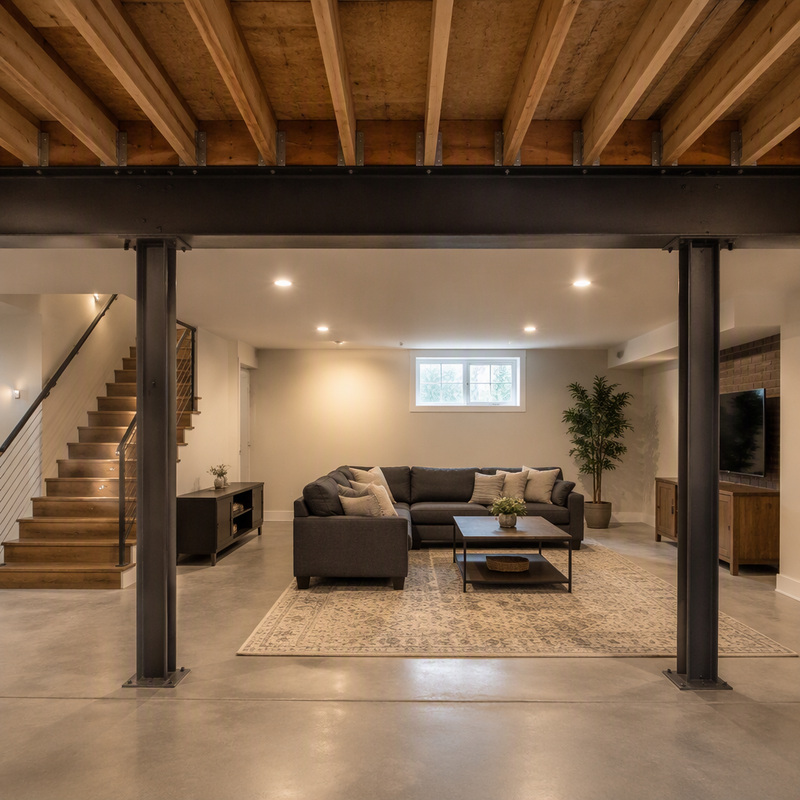
Installation Guidance for Steel Beams in Basement Applications

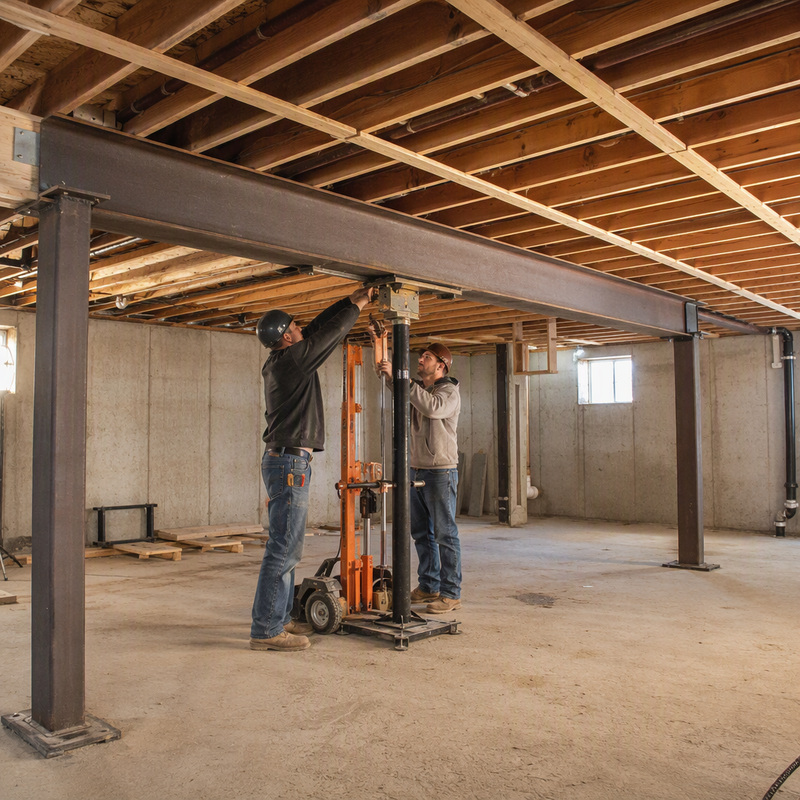
Installation Guidance for Steel Beams in Basement Applications

Proper installation of steel beams is crucial for ensuring the structural stability of the basement. Here are essential guidelines:

Site Preparation: Before installation,  ensure that the site is adequately prepared. This includes  leveling the foundation and ensuring that all necessary permits are in place.

Use of Proper Equipment: Employ suitable cranes and lifting devices to  handle the beams safely. Ensure that the installation team is trained in handling heavy materials and  understands safety protocols.

Alignment and Leveling:  During installation, beams must be aligned correctly according to the engineering plans. Use level tools to ensure  that each beam is  positioned  accurately  to avoid misalignment, which  can lead to structural issues  down the line.

Connection Methods: Determine the  appropriate connection methods for attaching beams to columns or other structural elements. Welding, bolting, or using  brackets are common methods, but the  choice should depend  on  the design  requirements and  load specifications.

Final Inspection: After installation, conduct a thorough  inspection to ensure everything meets the specified standards. Look for any signs of misalignment, improper connections, or damage  that may have occurred during installation.

Common Problems with Steel Beams and Effective Solutions

Common Problems with Steel Beams and Effective Solutions

While steel beams are durable, they can encounter several common problems during and after installation. Here are some issues and their solutions:


Corrosion: Steel beams in basements are prone to corrosion due to moisture exposure. Implementing proper surface treatments,  like galvanization, and ensuring  adequate drainage in the basement  can mitigate  this risk.

Misalignment: Misaligned beams can compromise structural integrity. To address this,  double-check measurements and use laser alignment tools during installation to ensure accurate placement.

Load Overestimation: If the load  capacity is not adequately assessed,  it may lead to beam  failure. Conduct thorough load calculations based  on intended use and consult with structural engineers to  confirm specifications.


Installation Errors: Mistakes during  installation can lead to serious  structural issues. Employ experienced contractors familiar  with steel beam  installations to minimize errors  and  ensure adherence to best practices.

Deflection: Excessive deflection  can occur  if beams are not properly sized for the loads they carry. Regularly inspect beams post-installation and consult engineering guidelines to address any signs of deflection early.

Advantages of Using High-Quality Steel Beams in Basements

Choosing high-quality steel beams for basement  construction offers several advantages:

Strength and Durability: Steel beams provide  exceptional strength, allowing for larger  open spaces  without the need for additional support columns. This flexibility is beneficial in  basement designs where space is at a premium.

Resistance  to Shrinkage and Warping: Unlike wood, steel does not shrink or warp over time, maintaining its structural integrity  and alignment. This  characteristic is particularly advantageous in environments where humidity  levels may fluctuate.

Fire Resistance: Steel beams offer  superior fire  resistance compared to other materials,  providing an added layer of safety for basement structures. This can be a significant factor in meeting building codes and  insurance requirements.

Recyclability: Steel is a highly recyclable material, making it an  environmentally  friendly choice for construction projects. Using recycled steel  can also contribute to sustainability goals within the construction  industry.

Cost-Effectiveness: Although the initial investment in  high-quality steel beams may be higher, their durability and low maintenance requirements can lead to long-term cost savings. Fewer repairs  and replacements translate into reduced overall project costs. Additionally, consider using  Commercial Metal Building Kits for cost-effective solutions.

By understanding these advantages, buyers can make informed decisions that  align with their project goals and budget considerations.

Key Specifications for Quality Steel Beams in Basement Construction

When evaluating steel beams for basement construction,  several specifications are crucial to ensuring structural integrity  and performance. Key specifications include:

Material Quality: Steel  beams should be made from high-grade steel, typically structural  steel grades such as S235, S275, or S355. The grade  affects load  capacity and resilience, making it vital to choose the appropriate one based  on the building's requirements.

Dimensions and Weight: The size of the beam, including its height,  width, and thickness, should align with the design requirements. Common dimensions for basement beams include those specified in the project's engineering plans, and their weight can impact transport and installation  logistics.

Load-Bearing Capacity: Understanding the load  requirements of the basement is critical. The beam's load-bearing capacity must  accommodate not only the weight of the structure above but also any  additional loads, such as equipment or storage.

Finish and Treatment: Beams may require specific surface treatments to enhance  corrosion resistance,  especially in damp environments like basements. Hot-dip galvanizing or painting with anti-corrosive coatings can provide added protection.

Certification and Standards: Ensure that the  beams comply with relevant building codes and  standards, such as  ASTM or AISC standards. Certifications  can also indicate that  the beams have undergone rigorous testing for quality and safety.

Be sure to verify these specifications with the  supplier before order confirmation to avoid issues during installation.

Frequently Asked Questions

What types of steel beams do you supply for basements?

We supply H section steel, box beams, and custom I-beams designed for basement structures, produced with CNC precision and welding support for varied load requirements.
Yes. We offer custom sizing, section shapes, thicknesses and connections to meet project drawings and load specifications using advanced production lines.
As a major Northeast China processor with large annual output, typical lead times depend on quantity; small orders ship faster while large batches follow production schedules—contact for exact timing.
Quality is ensured via standardized material selection, CNC fabrication, precise welding, and dimensional checks. We follow engineering specs to meet structural load and safety requirements.
Yes. We provide design assistance, fabrication drawings and can offer installation guidance to ensure correct fitment and structural integrity for basement applications.

Get a Free Quote

Our representative will contact you soon.
Email
Name
Company Name
Message
0/1000

Related product categories

Get a Free Quote

Our representative will contact you soon.
Email
Name
Company Name
Message
0/1000