Steel Beams for Retaining Walls: Key Considerations

All Categories

steel beams for retaining walls

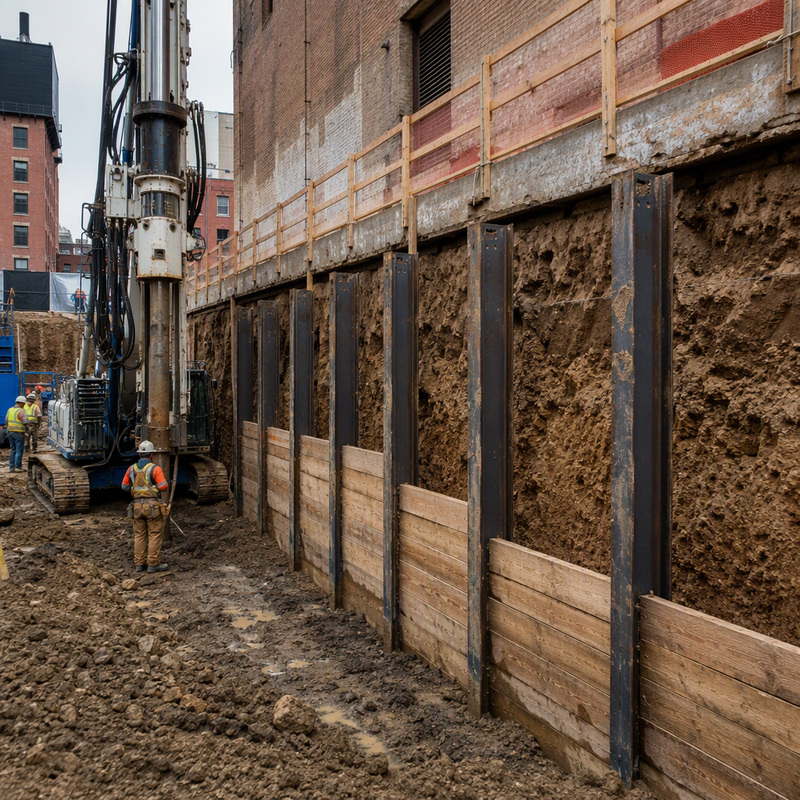
Steel  beams play a critical role in the  construction of retaining walls,  acting as structural  supports that ensure  stability and  durability.  When sourcing  steel  beams  for retaining  walls, it’s essential for  buyers  to understand  product specifications, cost factors, and potential issues that can arise during their use. This article  aims to  provide a comprehensive overview of  these  considerations,  aiding purchasing managers, engineers, and  project planners in making informed decisions.
Product Specifications for Steel Beams Used in Retaining Walls

Product Specifications for Steel Beams Used in Retaining Walls

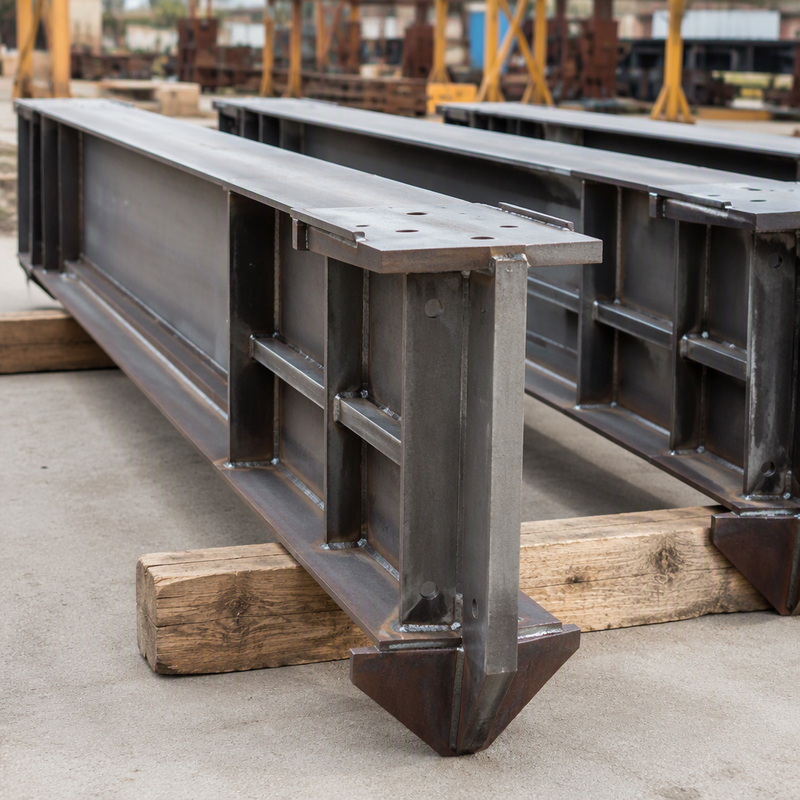
The  specifications of  steel beams for retaining walls  are critical for ensuring they meet  the demands  of the application.  Key specifications include:

  Material Grade: Common materials include structural steel grades such as S235, S275, and S355, with higher grades offering enhanced strength and durability. Dimensions: Typical dimensions include height, width, and thickness,  which are determined based on the wall height, soil conditions,  and load  requirements. Section Type: Commonly used sections include H-beams and I-beams, with H-beams offering greater stability for  larger structures. Coating: Consideration should be given to  protective coatings that  enhance corrosion resistance,  particularly in environments  with high  moisture or chemical exposure.

Buyers should verify these specifications against their project's  needs to ensure the beams will perform adequately.  Consulting with engineers or project managers can  provide further insight into the appropriate specifications.
 
Cost Factors in Purchasing Steel Beams for Retaining Walls

Cost Factors in Purchasing Steel Beams for Retaining Walls

The cost of steel beams for retaining walls can vary widely based on  several factors. Key considerations include:

  Material Costs: The price of steel fluctuates based on market conditions. Higher grades  of steel typically command higher  prices due to improved performance characteristics. Manufacturing and Processing Costs: The complexity of the beam design, including customizations or additional machining, can impact pricing. Manufacturers  with advanced processing  capabilities,  like those at Shenyang Haibo Weiye, may offer competitive rates for high-quality beams. Quantity: Bulk purchasing often leads to lower  unit prices. Buyers should consider their project  scale to negotiate better  pricing.  Delivery and Logistics: Shipping costs  can add to the  total  expenditure,  especially  for large or heavy beams. Understanding the logistics involved in transportation  to  the project site is essential.

To effectively manage costs,  buyers should perform a thorough cost analysis and consider all factors, ensuring they have  clear communication with their supplier regarding any potential additional charges.

Common Problems with Steel Beams for Retaining Walls and Solutions

Common Problems with Steel Beams for Retaining Walls and Solutions

Despite their robustness, steel beams can present challenges in retaining wall applications.  Common  issues include:

Corrosion: Exposure  to moisture can  lead to rust and degradation of the steel.  To  mitigate  this, buyers should ensure beams are properly coated and consider stainless or galvanized options for high-moisture environments. Insufficient Load Capacity: If beams are not appropriately sized  for the load  they  will bear, structural failure may occur.  Buyers  should  work closely with structural engineers  to confirm the load requirements  before ordering. Misalignment During Installation: Improper alignment can compromise the integrity  of the retaining wall. Using precise measuring tools and installation  techniques is vital to avoid this issue.

Solutions to these problems often involve thorough pre-construction planning,  proper quality inspections, and adherence to best practices in installation. Buyers should also consider requesting samples or  prototypes to verify performance before full-scale  production.

Applications of Steel Beams in Retaining Wall Construction Projects

Steel beams are widely used in various retaining wall applications,  offering strength and versatility. Common applications include: 

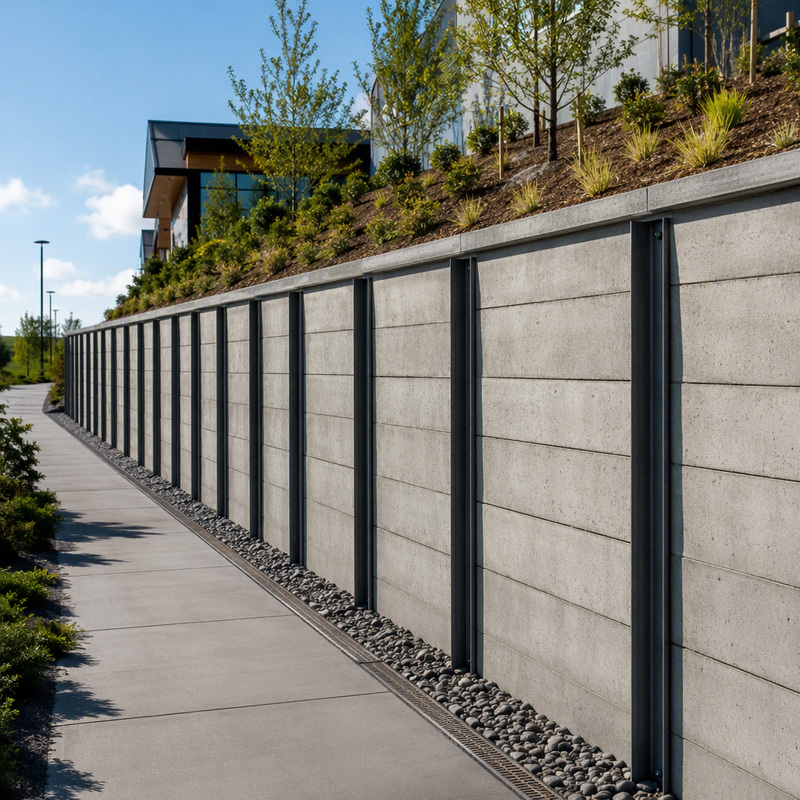
  Commercial and Industrial Sites: Steel beams provide the necessary support for retaining walls that manage soil and water  pressure in commercial settings,  such as parking lots or industrial facilities.  Residential Landscaping: In residential projects, steel beams can be  utilized to  create visually appealing and functional retaining walls that help manage slopes and  support  gardens. Infrastructure Projects: Large-scale  infrastructure projects, such as highways and bridges, often require  robust retaining walls reinforced with steel beams to ensure stability against earth movement.

Each application demands specific considerations regarding beam size, type, and  protective  treatments. Ultimately,  engaging with experienced manufacturers like Shenyang Haibo Weiye ensures the  right  materials are used  for optimal performance in any retaining wall project. Additionally, considering options like Warehouses & Logistics Centers may provide insights into structural requirements.

By understanding these key aspects of sourcing and utilizing steel beams for retaining walls, buyers can make  informed decisions that enhance the  quality and durability of their  construction projects.

Sourcing for Retaining Wall Projects

When sourcing steel beams for retaining  walls, buyers should first identify the specific project requirements. Key factors include the dimensions and load-bearing capacity necessary for the  application. Steel beams must be sourced from reputable  manufacturers that  can provide high-quality materials  and maintain rigorous  quality control processes. Steel Structure Buildings are a prime example of structures that benefit from these considerations.

Buyers should also evaluate  the manufacturer's production capabilities. For example,  at Shenyang Haibo  Weiye Light Steel Color Plate Co., Ltd, advanced production lines and CNC  equipment are  employed,  which  ensures precision and consistency in  beam fabrication.  Buyers should inquire about the manufacturer’s experience with similar projects, as this can significantly impact the reliability and performance of the beams used in construction.

Moreover, understanding the lead times for production and delivery is crucial, particularly  in projects  with strict timelines. It’s advisable  to request  quotes from multiple  suppliers to compare pricing, materials, and delivery schedules.

Frequently Asked Questions

What types of steel beams for retaining walls do you offer?

We supply H section steel, box beams, and custom beams tailored for retaining wall projects, produced on advanced lines to meet varied engineering needs.
We produce standard and custom sizes; capacities depend on cross-section and material grade. Provide project specs and we’ll calculate suitable dimensions and load ratings.
Yes. We have CNC and welding equipment to supply finished beams, drilled/painted or with welding seams prepared for efficient on-site assembly.
We offer galvanized and color steel profiled plate coatings, plus primer and topcoat options to enhance durability for retaining wall environments.
Yes. As a major Northeast China processor with large annual output, we support bulk production and logistics for diverse engineering and construction projects.

Get a Free Quote

Our representative will contact you soon.
Email
Name
Company Name
Message
0/1000

Related product categories

Get a Free Quote

Our representative will contact you soon.
Email
Name
Company Name
Message
0/1000