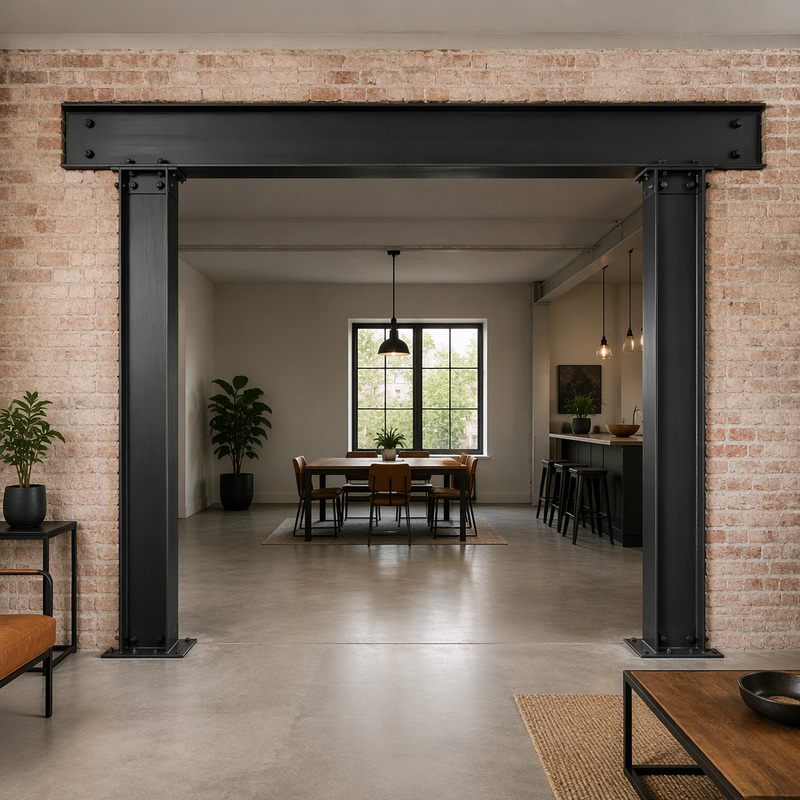
Key Specifications for Steel Supporting Walls

All Categories

steel for supporting walls

Steel  is  a critical material  for construction, especially when it comes  to supporting walls.  As a  buyer in the B2B  sector, understanding the nuances of  steel for supporting walls  is essential to ensure structural integrity and  compliance  with project  specifications. This article will  delve into key specifications, sourcing options, cost considerations,  and technical  knowledge that will aid  purchasing managers,  engineers,  and  project managers in making informed  decisions when procuring steel for supporting walls.
Where to Source Quality Steel for Supporting Wall Projects

Where to Source Quality Steel for Supporting Wall Projects

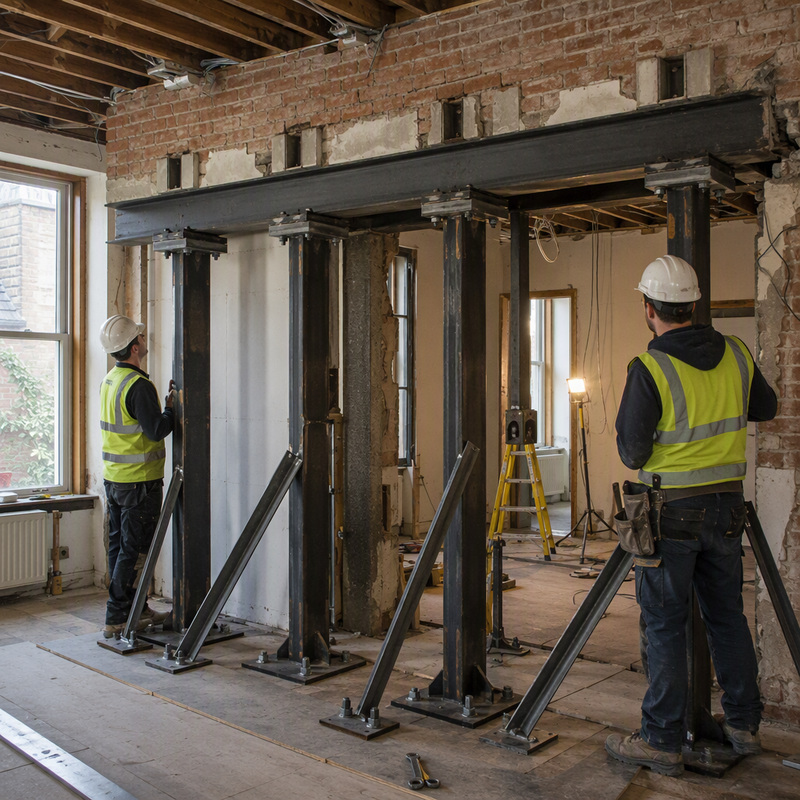
Sourcing quality steel for supporting  walls involves selecting reputable manufacturers and suppliers. Companies like Shenyang Haibo Weiye Light Steel Color Plate Co., Ltd. are  notable  players  in the market,  offering  a  range of products  including H-section steel and box columns. When sourcing, consider the following:

Manufacturer Reputation: Research the  supplier’s history, production capabilities, and customer reviews.  Established manufacturers  are more likely to have stringent quality  control processes and reliable delivery schedules.

Certifications and Compliance: Verify  any certifications the manufacturer holds. Compliance  with international  and local standards indicates adherence to quality and safety requirements.

Customization Options: Ensure the supplier  can meet specific project requirements, such  as  custom dimensions or unique material specifications. Prefabricated Steel Structure Warehouse Building Single Span Storage Warehouse Construction could be a viable option for customized needs.

Supply Chain Efficiency: Assess the supplier's logistics and distribution capabilities.  Efficient supply chains can significantly reduce lead times and costs.

By sourcing from reputable suppliers, buyers can mitigate risks associated with poor-quality materials and ensure the integrity  of their projects.
A Buyeru2019s Guide

A Buyeru2019s Guide

When preparing to purchase steel  for supporting walls, buyers should consider  the following checklist to facilitate  their requests for quotations (RFQs):

Project Specifications: Clearly outline the dimensions,  weight, and specific steel grades required for the  project. Quantity Needed: Provide an estimate of the quantity required, considering  possible  future needs  or expansions.  Delivery Location: Specify  the delivery address to gauge shipping costs and logistics.  Application Environment:  Describe the environment in which the steel will be  used (e.g., indoor,  outdoor, exposure to chemicals) to ensure proper material selection. Budget Constraints: Share budget limitations to help suppliers provide suitable  options without compromising quality.

Additionally, asking for  samples before  committing to a larger order can help  verify quality and  ensure the steel meets all  specification requirements.

Cost Considerations for Steel Supporting Walls in Large Projects

Cost Considerations for Steel Supporting Walls in Large Projects

Understanding the  cost dynamics of steel for supporting walls is crucial for budget management in large projects. Several factors influence pricing:

Material Costs: Fluctuations in  raw material prices can significantly impact the  cost. Buyers should be aware of current market  trends and secure quotes  from multiple suppliers.

Customization and Fabrication: Custom  sizes or specific treatments will generally increase costs. It’s important to balance the need for customization with budget considerations.

Quantity Discounts: Purchasing in bulk often leads to lower per-unit costs. Buyers should inquire about bulk pricing options and minimum order quantities (MOQ).

Shipping and  Handling: Transportation costs can vary based on distance,  weight, and delivery methods. Including these costs in the overall budget is essential to avoid surprises.

Long-Term  Value: While initial  costs are important, assessing  the long-term value of the steel  in terms of maintenance, durability,  and performance can lead to better investment  decisions.

Buyers should  engage  in open discussions with suppliers about costs to  ensure  all potential expenses are accounted for.

Technical Knowledge for Sourcing Steel for Supporting Walls

A solid understanding of  technical specifications  is essential when sourcing  steel for supporting walls. Here are critical aspects to focus on:

Load-Bearing Capacity: This defines  how much weight the steel can support. Knowing the expected loads, including dynamic and  static forces, is vital for selecting  appropriate  steel grades and dimensions.

Welding and Fabrication Requirements: Understanding the welding capabilities  of the steel is essential for ensuring that it can be properly integrated into the overall structure. Different grades may require  specialized welding  techniques.

Testing and Quality Assurance: Buyers  should inquire about  the manufacturer's quality control processes. Testing for yield strength, ductility, and surface integrity before delivery can prevent issues during installation.

Installation Considerations: Knowing how the steel will be installed can influence the choice  of materials. For  example, if  the installation occurs in a constrained  environment,  lighter or  more flexible options may be  required.

Regulatory Compliance: Familiarity with local building codes and regulations ensures that the chosen steel meets  all legal requirements, avoiding potential fines or project delays.

By focusing on these technical aspects, buyers can confidently select the right steel for their supporting wall projects, ultimately enhancing safety and performance.

Key Specifications and Benefits

When evaluating steel for  supporting walls, several key specifications must be considered:

Material Type: Common materials  include carbon steel, which offers  strength and  durability, and galvanized steel, which provides corrosion resistance. The choice of material affects the wall's lifespan and maintenance needs. For more information on galvanized steel options, check out our Galvanized Film Greenhouse Tunnel Plastic Grow Tunnel.

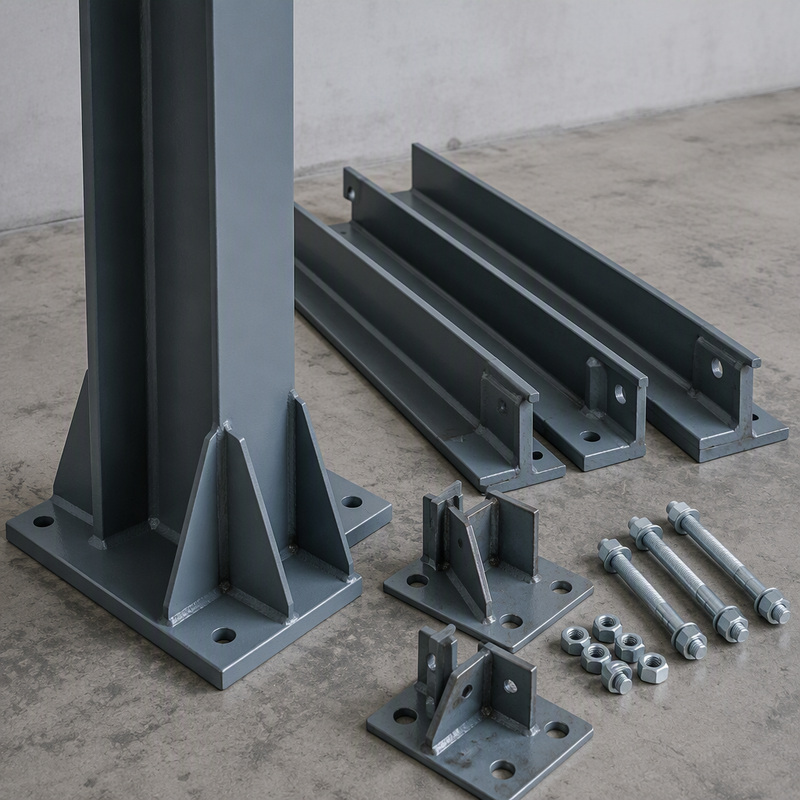
Dimensions and Shape: Steel for supporting walls generally comes in  various shapes, including H-sections and box  columns. The dimensions  must be tailored to the load requirements of the structure, ensuring adequate support  while optimizing space.

Yield Strength: This specification measures  the maximum stress that steel  can withstand without permanent  deformation. Higher yield  strengths are crucial for heavy-load applications, ensuring the wall can  bear the intended loads without failure.

Coating and Finish: Surface treatments, such  as galvanization or powder coating, enhance corrosion resistance and aesthetic appeal.  Buyers should consider the environmental conditions the steel will face,  as this can influence the choice of coatings.

The benefits of selecting the right  steel include  enhanced structural integrity, reduced maintenance costs, and improved safety. Proper specifications can prevent common issues such  as warping or rusting, extending the lifespan of the supporting walls.

Frequently Asked Questions

What types of steel supporting walls do you supply?

We supply H section steel, box columns, beams, steel trusses and composite plates suitable for supporting wall systems and varied structural needs.
We offer custom dimensions, wall thicknesses and profiles produced via CNC and welding equipment to meet project specs and engineering requirements.
As a major Northeast China processor with large annual output, typical lead times range from weeks to meet bulk orders; exact timing depends on order size and specifications.
Yes. We use advanced production lines and strict process controls; materials and fabrication meet structural standards for engineering applications.
Yes. We integrate design, production and sales and provide technical consultation, drawings and fabrication guidance for supporting wall projects.

Get a Free Quote

Our representative will contact you soon.
Email
Name
Company Name
Message
0/1000

Related product categories

Get a Free Quote

Our representative will contact you soon.
Email
Name
Company Name
Message
0/1000