
H Beams: Key Factors, Best Practices, and Applications

All Categories

h beam

H beams,&nbsp; also known as H-section&nbsp; steel, are versatile structural components&nbsp; widely&nbsp; used in various engineering applications. They&nbsp; are&nbsp; characterized by their&nbsp; distinctive H-shaped cross-section, which provides excellent strength&nbsp; and&nbsp; stability. For B2B buyers, understanding&nbsp; the specifications,&nbsp; performance, and&nbsp; applications of H beams is crucial for making informed purchasing decisions. This article&nbsp; will address key&nbsp; factors to&nbsp; consider when selecting H beams,&nbsp; best&nbsp; practices for contractors,&nbsp; cost factors for bulk orders, common problems along with solutions, and their&nbsp; applications in&nbsp; diverse engineering projects.<a href="/portal-frame-rigid-bent-pre-engineered-steel-column-and-rafter">Portal Frame Rigid Bent Pre-engineered Steel Column and Rafter&nbsp; can be an alternative for various structural needs.
Best Practices for Contractors

Best Practices for Contractors

Contractors managing projects that involve H beams should adhere to best practices to ensure successful implementation:

Thorough Planning: Before procurement, contractors should assess the project’s structural&nbsp; requirements and load calculations. This helps in determining&nbsp; the appropriate H beam specifications.

Sample Approval: Always request samples before mass production. This allows for verification of&nbsp; dimensions, surface finish,&nbsp; and overall quality. Testing samples under actual operating conditions&nbsp; can reveal potential issues early.

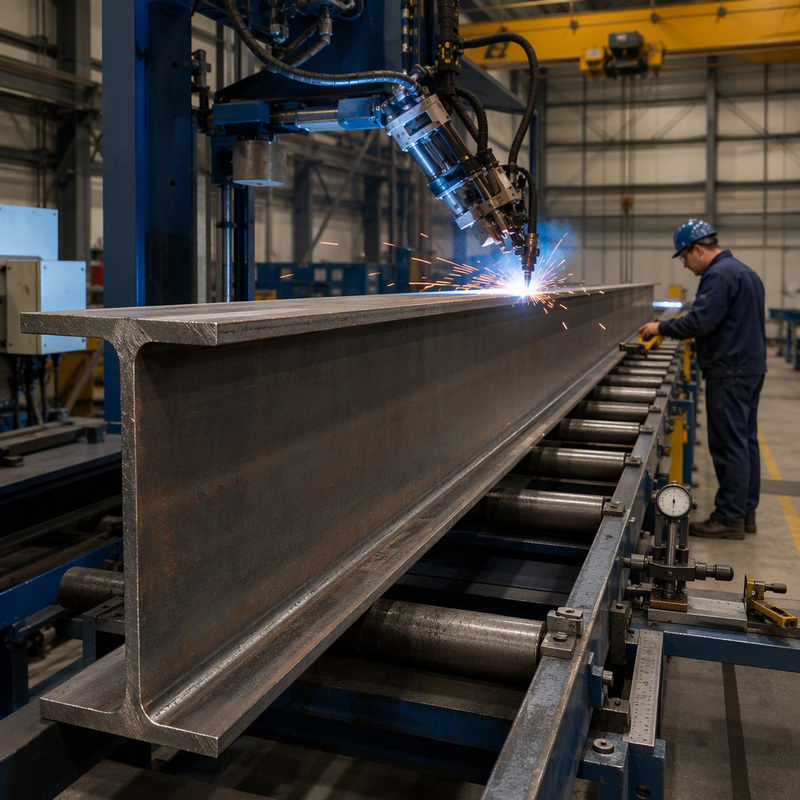
Quality Inspection:&nbsp; Implement&nbsp; a&nbsp; quality control process&nbsp; during installation. Inspect H beams for any physical&nbsp; damage, deviations from specifications, and compliance&nbsp; with safety standards.


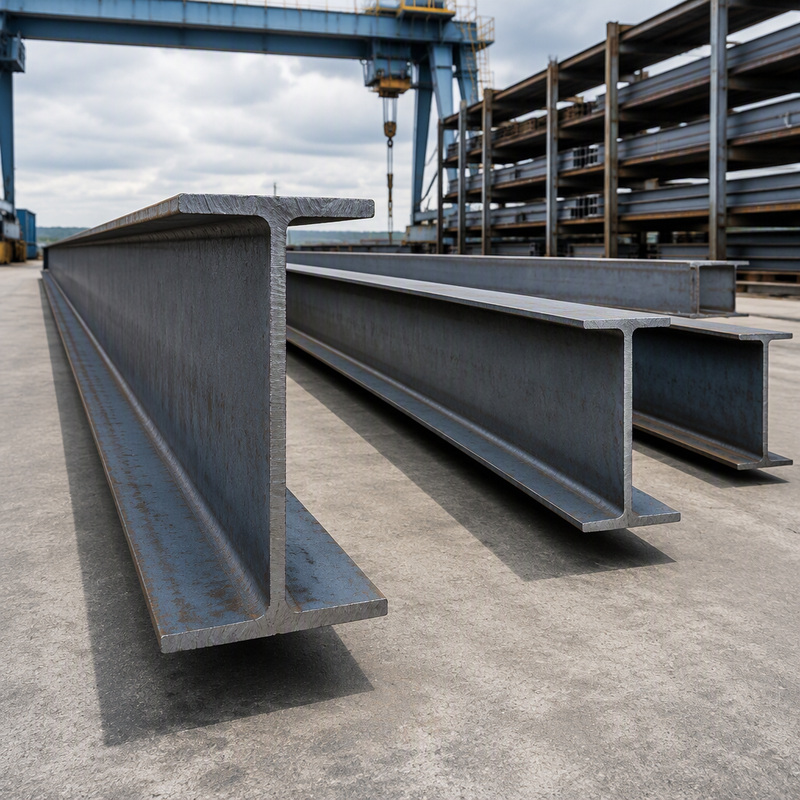
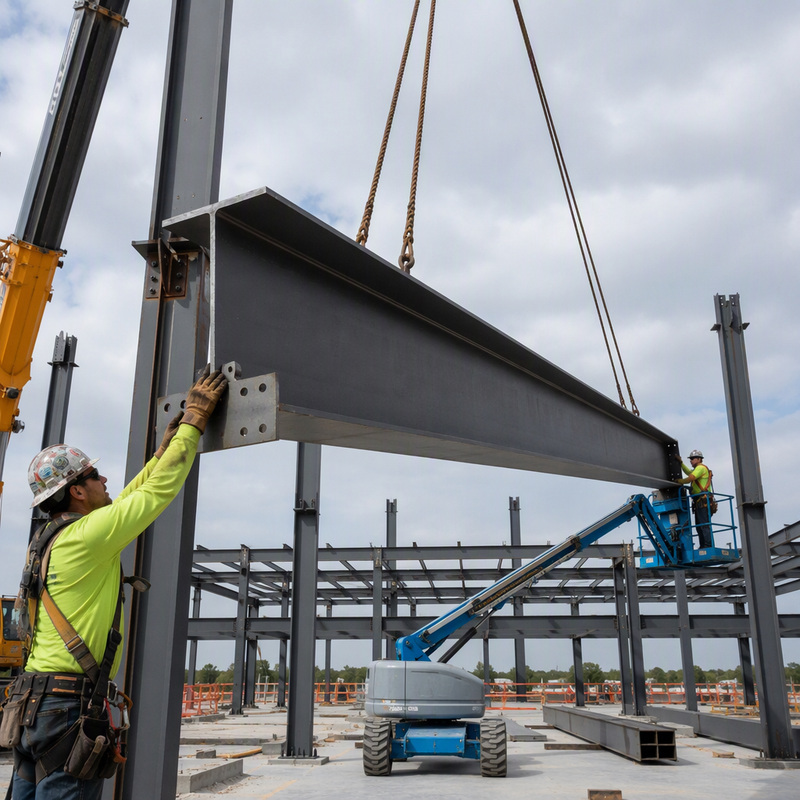
Proper&nbsp; Storage and Handling: H beams should be stored in a dry, flat&nbsp; area to&nbsp; prevent warping or corrosion. Use suitable lifting equipment to avoid damaging&nbsp; the beams during transport and&nbsp; placement.

Effective Communication with Suppliers: Maintain&nbsp; open communication with suppliers regarding project timelines, delivery&nbsp; schedules, and any changes in&nbsp; specifications. This can help mitigate delays and ensure timely project completion.

By following these best practices, contractors can enhance the efficiency and safety of their projects involving H beams.
Cost Factors When Purchasing H Beams in Bulk Orders

Cost Factors When Purchasing H Beams in Bulk Orders

Understanding the cost factors associated with bulk orders of H beams is essential for budget management:

Material Costs: The price of steel fluctuates based on&nbsp; market demand and raw material availability. Buyers should monitor market trends to&nbsp; make timely purchases.

Production Costs: Customization and special&nbsp; specifications may&nbsp; lead to higher production costs. Buyers should clarify any additional charges upfront to&nbsp; avoid surprises.

Shipping and Handling: Freight charges can vary significantly based on the delivery location&nbsp; and shipping&nbsp; method. It’s vital to factor&nbsp; in these costs when evaluating the&nbsp; total expenditure.

Minimum Order Quantity (MOQ): Suppliers often have MOQs that can affect pricing.&nbsp; Purchasing&nbsp; in bulk may lower the cost per unit, but buyers should&nbsp; ensure they have a clear&nbsp; understanding&nbsp; of their immediate project needs.

Lead Time: Longer lead times can impact project schedules, potentially increasing overall costs due to delays.&nbsp; Buyers should&nbsp; inquire about&nbsp; estimated production and delivery times to plan accordingly.


By evaluating these&nbsp; cost factors, buyers can optimize their procurement strategy&nbsp; and manage their budgets effectively.

Common Problems with H Beams and Effective Solutions

Common Problems with H Beams and Effective Solutions

While H beams are robust structural components, they can present certain challenges. Here are some common issues and their&nbsp; solutions:

Corrosion:&nbsp; H beams exposed to moisture can develop rust, compromising their integrity. To prevent&nbsp; corrosion, consider using galvanized or coated beams, or ensure proper surface treatment.

Misalignment&nbsp; During Installation: Improper alignment of beams can lead to structural issues. Using precise leveling tools&nbsp; and&nbsp; ensuring thorough&nbsp; checks&nbsp; during installation can&nbsp; help mitigate this risk.

Inadequate Load-Bearing Capacity: Selecting beams without&nbsp; proper load calculations can lead to structural&nbsp; failure. Buyers should collaborate with engineers&nbsp; to perform&nbsp; load assessments and select appropriate beam specifications.

Welding&nbsp; Failures: Poor welding techniques&nbsp; can weaken the connection points. Employ qualified welders and adhere&nbsp; to recommended welding procedures to ensure strong joints.

Dimensional Variability: Variations in beam dimensions can occur due to&nbsp; manufacturing tolerances. Always verify dimensions against specifications before installation to confirm suitability.

By being aware of&nbsp; these common problems and their solutions, buyers can enhance the&nbsp; reliability and performance of H&nbsp; beams in their projects.

Applications of H Beams in Various Engineering Projects

H beams are utilized across a wide range of engineering projects due&nbsp; to their structural properties.&nbsp; Key applications include:

Building Frameworks: H beams serve as primary structural elements in commercial and&nbsp; residential buildings,&nbsp; providing support for&nbsp; floors,&nbsp; roofs, and walls.

Bridges: The strength and rigidity of&nbsp; H beams make them ideal for&nbsp; bridge construction, where they support significant loads and span long distances.

Industrial Structures: Factories and warehouses&nbsp; often&nbsp; utilize H beams&nbsp; in their frameworks to&nbsp; support heavy machinery and equipment.

Infrastructure Projects: H beams are commonly used in the construction&nbsp; of highways, railways, and other infrastructure projects where durability and strength are&nbsp; paramount.

Marine Applications:&nbsp; In shipbuilding and offshore structures, H&nbsp; beams provide the necessary strength to withstand harsh environmental conditions.<a href="/covered-steel-riding-arena-indoor-horse-riding-arena">Covered Steel Riding Arena  is an example of marine application.

By understanding&nbsp; the diverse applications of&nbsp; H beams, buyers can better assess&nbsp; their suitability for specific engineering&nbsp; projects and make informed procurement decisions.

Key Factors for Buyers

When purchasing H&nbsp; beams, buyers&nbsp; should focus on&nbsp; several critical factors:

Material Specifications: H beams are typically made from structural steel&nbsp; grades, such&nbsp; as S235, S275, or S355,&nbsp; which vary in strength and ductility. Understanding the material properties ensures the&nbsp; beam's suitability for specific loads and environmental conditions.<a href="/prefabricated-steel-structure-warehouse-building-single-span-storage-warehouse-construction">Prefabricated Steel Structure Warehouse Building&nbsp; offers insights into material selection.

Dimensions and Weight: The height, width, and&nbsp; thickness of H beams affect their load-bearing capacity. Buyers should specify the required dimensions based on the engineering design&nbsp; and anticipated loads.

Manufacturing Process: Familiarity with the production&nbsp; methods can impact quality and performance. H beams are often fabricated through hot rolling or welding, each method offering different properties. Buyers should inquire about the manufacturing process to ensure&nbsp; it meets their requirements.

Quality Standards and Certifications: Look for compliance with international standards, such as&nbsp; ASTM or EN,&nbsp; which ensure&nbsp; the quality and safety&nbsp; of the steel. Certifications from recognized bodies can provide assurance of&nbsp; material integrity.


Customization&nbsp; Options: Depending on the&nbsp; project, custom dimensions and specifications may be necessary. Buyers should discuss their needs with suppliers to determine available&nbsp; customization capabilities.

By considering these factors, buyers can make more informed decisions that align with their project requirements.<a href="/multi-story-steel-structure-office-building-modern-commercial-steel-frame-building">Multi-story Steel Structure Office Building  exemplifies various applications of H beams.

Frequently Asked Questions

What sizes and specifications of H beam do you offer?

We supply H beams in various flange widths, web heights, thicknesses and lengths per customer needs. Custom dimensions follow project drawings and national steel standards.
Our H beams use high-quality structural steel grades suitable for construction, with chemical and mechanical properties meeting national standards for strength and weldability.
Yes. We offer precision cutting, CNC drilling, welding and fabrication to produce box columns, trusses and assembled H-beam components per engineering requirements.
As a large Northeast China processor, we have high annual output. Lead time depends on order size and specs; contact sales with details for a precise schedule.
Yes. We conduct dimensional and weld inspections and can provide material test reports and compliance certificates as required for projects.

Get a Free Quote

Our representative will contact you soon.
Email
Name
Company Name
Message
0/1000

Related product categories

Get a Free Quote

Our representative will contact you soon.
Email
Name
Company Name
Message
0/1000