EN
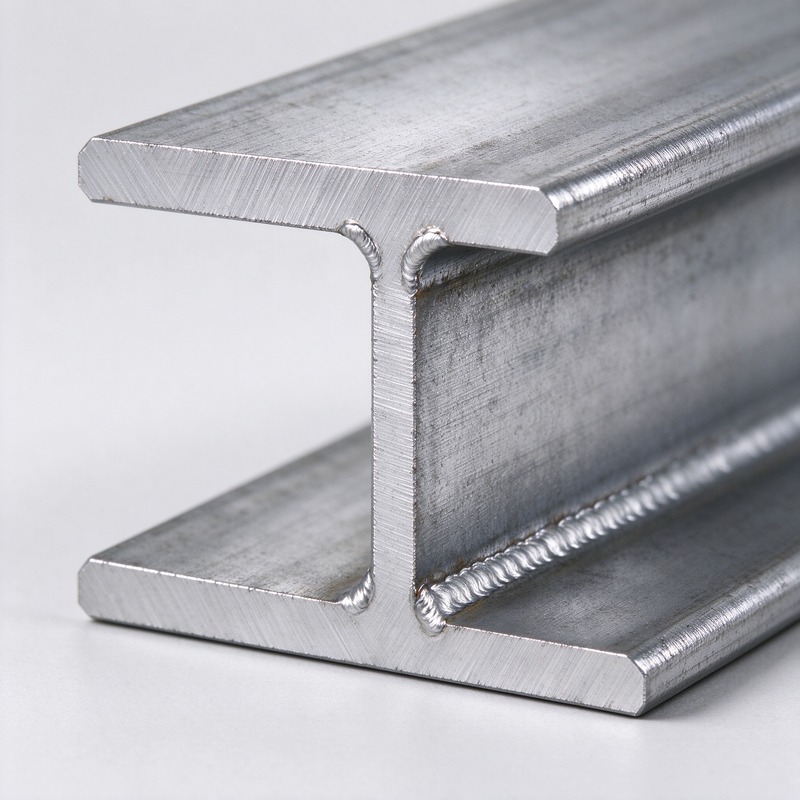
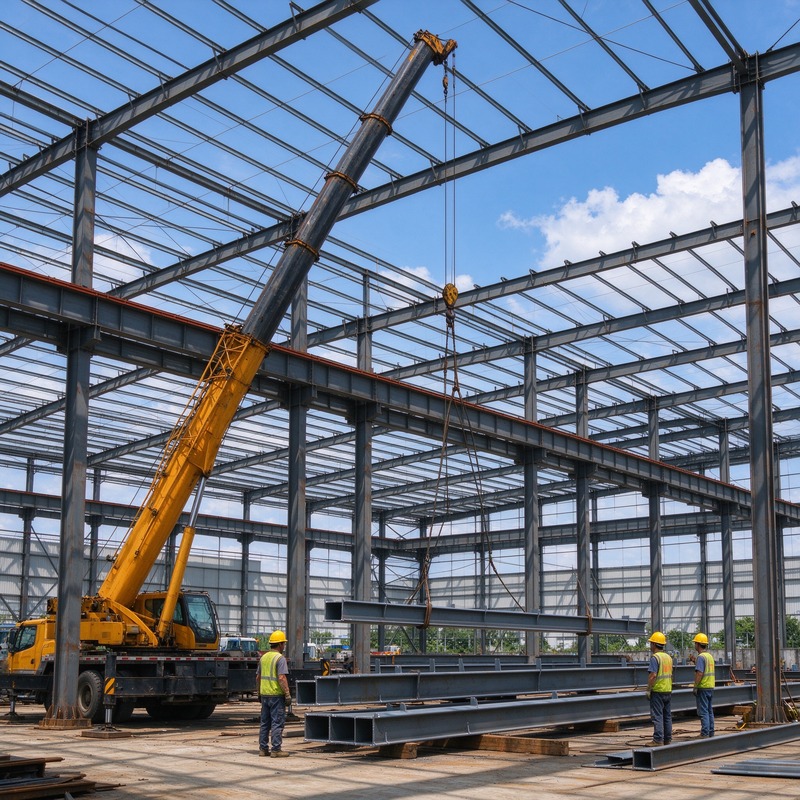
Steel H beams are vital components in the construction and manufacturing industries, known for their robustness and versatility. As a B2B buyer, understanding the key attributes of steel H beams can significantly impact your purchasing decisions, from evaluating quality to considering cost factors. This article aims to guide purchasing managers, engineers, and product managers through essential considerations when sourcing steel H beams, ensuring that you make informed choices that align with your project's requirements.
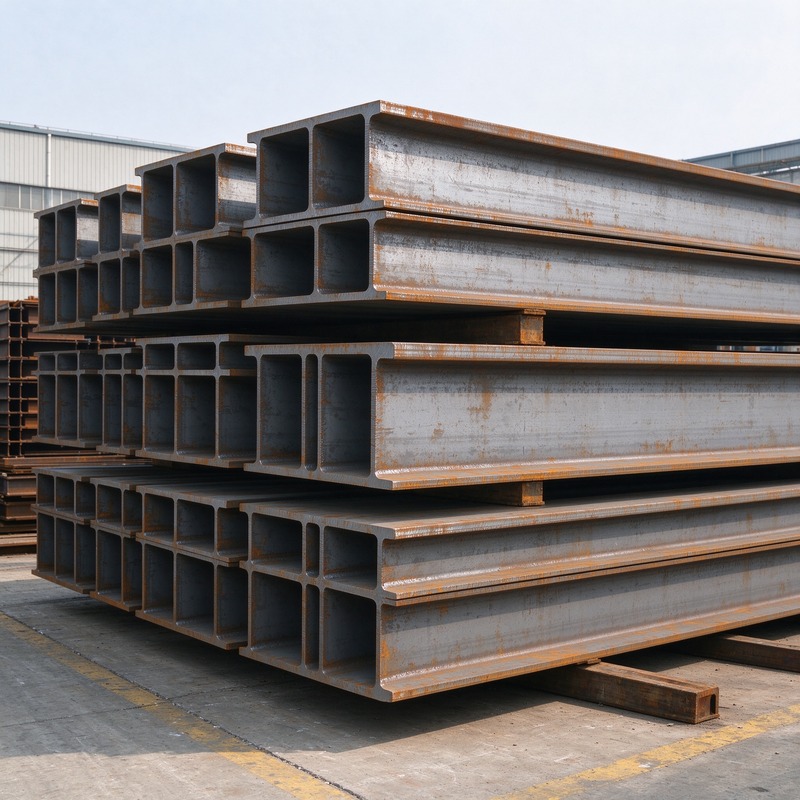
Key Specifications for Steel H Beams You Should Know
When sourcing steel H beams, several key specifications should be at the forefront of your evaluation:
Dimensions: Steel H beams are available in various heights and flange widths, typically ranging from 100 mm to over 1000 mm in height. Ensure the dimensions align with your project specifications.
Weight: The weight per meter of the beam is critical for determining load capacity. Heavier beams can support greater loads but may also require more robust support structures.
Material Grade: Common grades include S235, S275, S355, and S460, with S355 being a popular choice for its balanced strength and ductility. The chosen grade should suit the application's load and environmental conditions.
Flange Thickness: Thicker flanges can offer increased load-bearing capacity, making them suitable for heavy-duty applications. Evaluate how the flange thickness will impact the overall design and safety of your structure.
Weldability: If the beams will undergo welding, ensure they have good weldability ratings. Poor weldability can lead to weak joints and compromise structural integrity.
Understanding these specifications will help you communicate effectively with suppliers and ensure that you receive products that meet your technical needs.