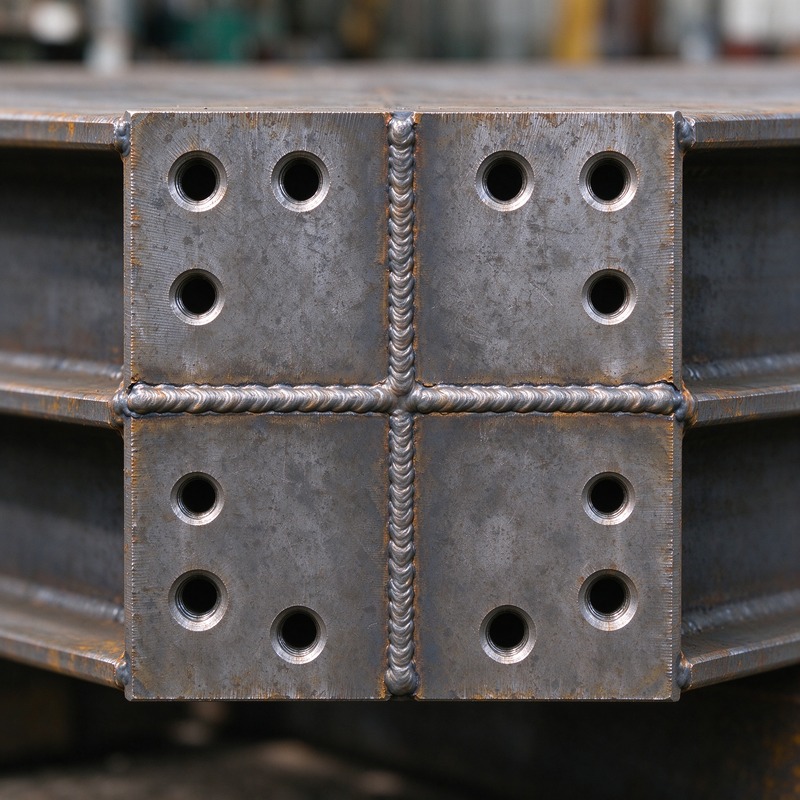
Essential Guide to Steel Structure Fabrication

All Categories

steel structure fabrication

Steel  structure fabrication involves  the design and production of  steel components used in various  construction projects,  including buildings, bridges, and industrial structures. For  B2B buyers like  purchasing managers, distributors, and engineers, understanding the nuances  of  steel structure fabrication is crucial for making  informed decisions. This  article  will address key  factors  to consider when selecting  steel structures, sourcing  reliable  suppliers, and  understanding their  applications  in engineering projects.
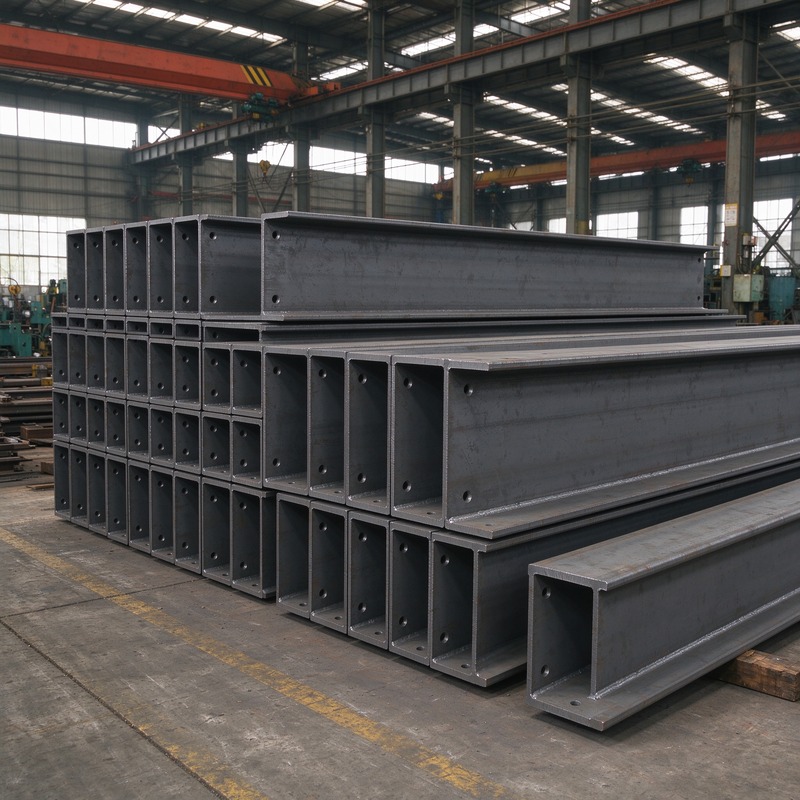
What to Know

What to Know

When engaging  with suppliers, it's important to  be well-informed. Here  are some key considerations:

Lead  Times:  Understand  the manufacturing lead times for various steel products. Custom orders may require more time, so plan your project timeline accordingly.

Minimum  Order  Quantity  (MOQ): Be aware  of the MOQ for your selected products. Some suppliers may have  stricter requirements that could impact  your project budget.

Inspection Protocols: Familiarize yourself  with the inspection protocols that  will be used to ensure  product  quality. This could include  visual inspections, dimensional checks, and material testing.

Packaging and Shipping: Discuss how the products will be packaged  and shipped. Proper packaging is vital to prevent damage during transit, which can lead to  delays and increased costs.
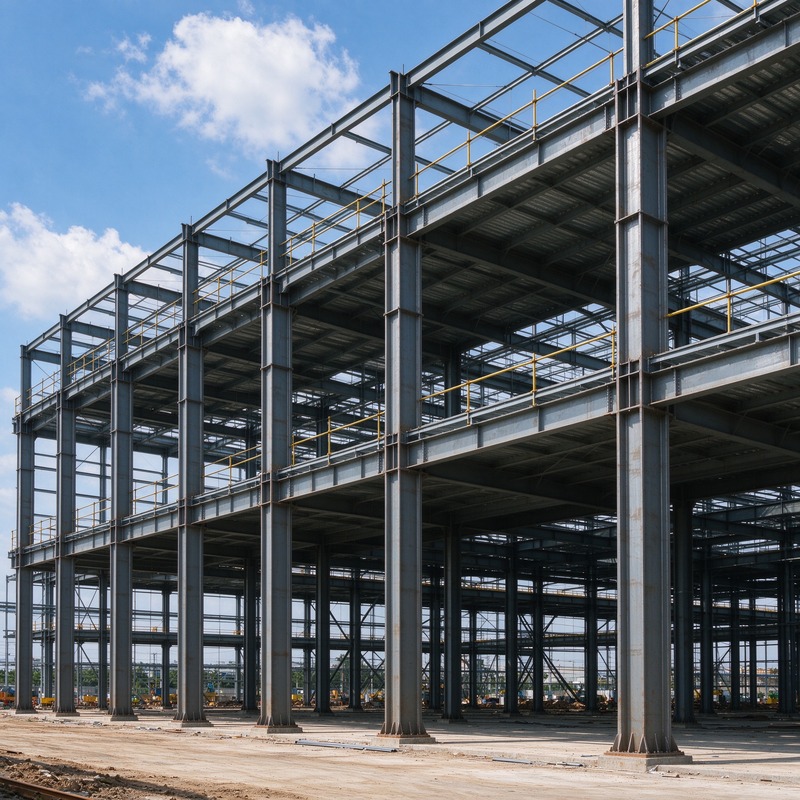
Where to Find Reliable Wholesale Steel Structure Suppliers

Where to Find Reliable Wholesale Steel Structure Suppliers

Finding trustworthy  suppliers is  critical for ensuring the quality of your steel structures. Here are some strategies to identify reliable manufacturers:

Industry Directories:  Utilize online industry directories that list verified manufacturers and suppliers. Look for companies with  a  strong reputation and positive customer  reviews.

Trade Shows and Exhibitions:  Attend industry  trade  shows  where manufacturers showcase their products. This  offers a valuable opportunity to meet suppliers face-to-face  and assess  their offerings.

Networking: Leverage your professional network to gain recommendations for reputable suppliers. Colleagues or industry  experts can provide insights based  on their experiences.

Certifications and Compliance: Verify that potential suppliers hold relevant certifications that attest to their manufacturing  practices and product quality. This might include ISO certifications or compliance with local building codes.

Request Samples: Before making a large purchase, request  samples  to evaluate the quality and suitability of the materials for your project. This step can help mitigate risks associated with bulk  orders.

Solutions for Buyers

Solutions for Buyers

To navigate  the procurement  process effectively, buyers should consider the following strategies:

Detailed RFQ  Preparation: When  requesting  quotes, include comprehensive  information such as product type, dimensions, quantities, and delivery requirements. A  well-prepared RFQ streamlines the quoting process  and improves response accuracy.

Comparative Analysis:  Evaluate multiple  suppliers based on pricing, lead times, and product specifications. This  analysis helps in selecting a supplier that best meets your project's  needs.

Quality  Assurance Measures: Inquire  about the  quality assurance measures in place at the  manufacturing facility. Understanding their processes can provide peace of mind regarding the integrity of the products.

Feedback Mechanisms: Establish  clear communication  channels with suppliers  to facilitate feedback during the production process. This ensures that any issues can be addressed promptly, minimizing disruptions.

Applications of Steel Structures in Diverse Engineering Projects

Steel structures  are  versatile and find applications across  various engineering sectors:

Commercial Buildings: Steel frames provide the strength and  flexibility required for modern  commercial buildings, allowing for open floor plans  and large spans.

Bridges: Steel trusses and beams are commonly used in  bridge construction due to their high load-bearing capacity  and durability, making them ideal for  spanning long distances.

Industrial Facilities: Steel structures are utilized in factories and warehouses, offering robust support for heavy  machinery and equipment. For more details on these applications, check out our section on Industrial Workshops & Plants.

Infrastructure Projects:  Roads, railways, and airports often incorporate steel components for structural  integrity and longevity, essential for handling heavy traffic loads.

Residential Construction: Increasingly, steel structures are being used in residential projects, providing strength and design flexibility, particularly in multi-story buildings.

Understanding the various applications  of steel structures can guide  buyers in selecting  the right products  for their specific engineering projects, ensuring they  meet both safety and performance standards.

The procurement  of steel structure fabrication involves a thorough understanding of project requirements, supplier reliability, and product  applications. By following these guidelines, buyers can make informed decisions that contribute to the success of their projects.

How to Choose the Right Steel Structure for Your Project Needs

Selecting the right  steel structure for your project starts with  understanding the specific requirements of your application. Consider the following factors:

Type of Structure: Identify whether you need H section steel, box columns, beams, or trusses based on your project's design specifications. Each type serves different structural purposes,  so assessing the  load and span requirements is essential.

Material Specifications: Steel  grades vary in strength, durability, and corrosion resistance. For example, structural steel like S235  or S355 is often used for its excellent mechanical properties. Choosing  the appropriate  grade  ensures that the structure can  withstand environmental factors and mechanical  stress.

Customization Needs: Many projects  require  customized solutions. Discuss your needs with manufacturers who can provide tailored  designs and dimensions. Customization may include specific lengths, widths, or even surface treatments to enhance performance in challenging conditions. You may want to explore options like Steel Structure Components for specific component needs.

Quality Assurance: Ensure that the steel structure meets relevant industry standards  and certifications. Quality control processes during fabrication should be in place, as this minimizes the risk of structural failure and ensures  longevity.

Budget Considerations: Evaluate  the total cost of ownership, including initial pricing, installation, and  maintenance. A lower upfront cost may not reflect the long-term expenses associated with inferior materials or construction practices.

Frequently Asked Questions

What products are included in your steel structure fabrication?

We manufacture H section steel, box columns, beams, steel trusses, bridges, composite plates, color steel profiled plates and purlins using advanced production lines.
Yes. We integrate design, production and sales and offer structural design support tailored to engineering requirements and project scopes.
We use advanced steel structure lines plus CNC and welding supporting equipment enabling precise cutting, forming and welding for large annual output.
Yes. As a key Northeast China processor with high annual capacity, we handle diverse engineering scenarios and custom fabrication orders.
We maintain strict production controls across fabrication stages and coordinate logistics to meet project schedules; specific QC reports and delivery terms are available on request.

Get a Free Quote

Our representative will contact you soon.
Email
Name
Company Name
Message
0/1000

Related product categories

Get a Free Quote

Our representative will contact you soon.
Email
Name
Company Name
Message
0/1000