Choosing Load Bearing Steel Beams for Your Project

All Categories

load bearing steel beam

Load  bearing steel  beams are essential components  in construction and  engineering projects, providing the  structural support necessary for various applications. As a purchasing  manager or engineer, understanding the intricacies of load bearing steel beams is critical for ensuring  safety, performance, and compliance  with project specifications.  This article will  address key  considerations in selecting and  installing load bearing steel beams, sourcing  reliable suppliers, and understanding  the cost  factors involved,  helping  you make informed  decisions for your  projects. For instance, when considering the type of beams, the Portal Frame Rigid Bent Pre-engineered Steel Column and Rafter might be a suitable option for various applications.

 
Common Installation Challenges with Load Bearing Steel Beams

Common Installation Challenges with Load Bearing Steel Beams

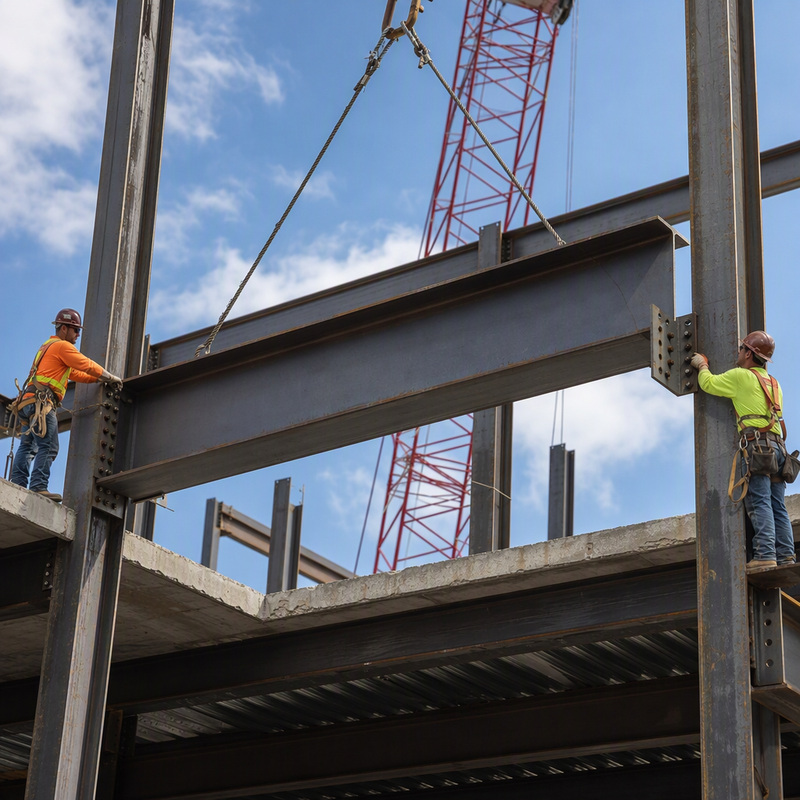
When  installing  load bearing  steel beams, several challenges can arise that may affect the integrity of the structure. Understanding these common issues can help you mitigate risks and streamline the installation process.

Alignment and Leveling: Achieving precise alignment and  leveling is crucial for  load distribution. Misalignment can lead to structural weaknesses. It's advisable to use laser levels and other alignment tools during installation.

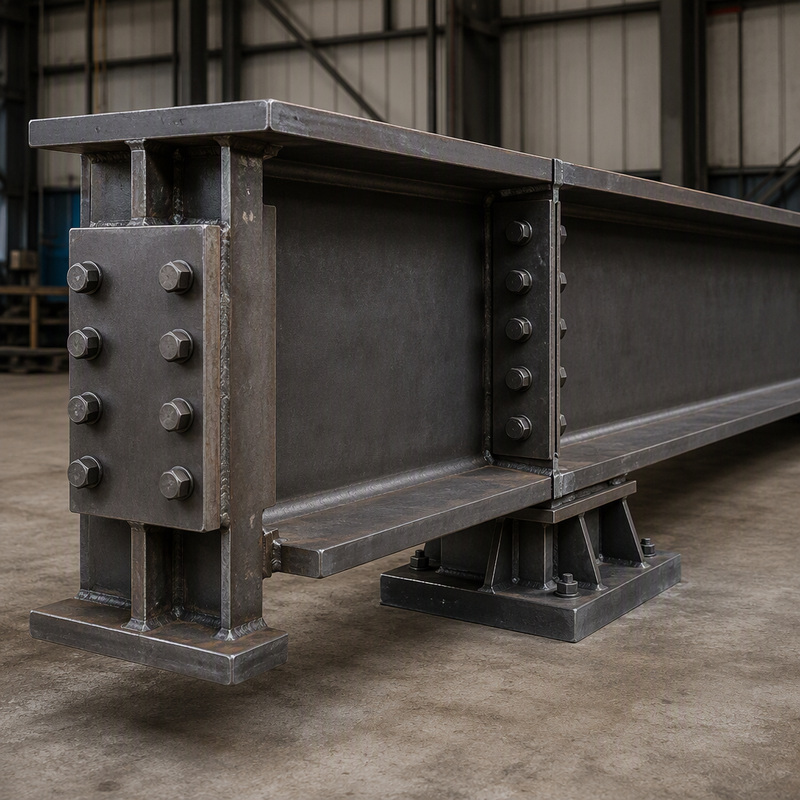
Welding and Connections: The quality of welds and  connections  is a common challenge. Poorly executed welds  can compromise the beam's  structural integrity. Ensure that qualified personnel perform welding according to relevant standards and specifications.

Handling  and Transportation: Load bearing steel beams  can be  heavy and unwieldy, making proper handling essential. Use appropriate lifting equipment and techniques to prevent accidents and damage during transportation.


Integration with Other Components: Ensuring compatibility with  other structural elements, such as walls and  floors, is vital.  Coordinate with  other trades to address potential conflicts and ensure a cohesive design.

By anticipating these challenges, you can  take proactive measures to ensure a smooth  installation process, reducing the likelihood of costly rework or safety issues.
 
Where to Source Reliable Load Bearing Steel Beam Suppliers

Where to Source Reliable Load Bearing Steel Beam Suppliers

Finding reliable suppliers for load  bearing steel beams is crucial for maintaining quality and ensuring timely delivery. Here are some  tips to identify trustworthy suppliers:

Industry Reputation: Research potential suppliers' reputations within  the industry. Look for companies with a proven track record in  producing high-quality steel beams and positive customer  reviews.

Certifications and  Quality Assurance: Verify that  the  supplier adheres to relevant industry standards and certifications, such as ISO 9001  for quality management systems. This  demonstrates  a commitment to maintaining high manufacturing  standards.

Manufacturing Capabilities: Assess the supplier's  manufacturing capabilities, including the technology and equipment used.  Suppliers with advanced production lines, like CNC and welding equipment, are more likely to produce consistent and  precise products.

Customization Options: Depending on your project's specific requirements, consider suppliers that offer customization capabilities. This  flexibility can ensure that the beams meet your project's unique specifications.
For example, the Multi-story Steel Structure Office Building Modern Commercial Steel Frame Building can be customized to fit specific needs.

Customer Support: Evaluate the  supplier’s customer service  and support. A responsive supplier can provide valuable assistance throughout the purchasing process, from initial inquiries to post-sale support.

Building relationships with reliable suppliers can significantly  enhance the efficiency and success of your projects.

 
Understanding the Cost Factors of Load Bearing Steel Beams

Understanding the Cost Factors of Load Bearing Steel Beams

The cost of load bearing  steel beams  can vary widely based on several factors. Understanding these  cost components will help you budget effectively for your project.


Material Costs: The price of raw materials, such as steel, is a significant factor in the overall cost. Fluctuations in the global steel market can impact pricing. Be prepared for potential  changes  by monitoring market trends.

Fabrication and Processing: Additional costs may arise from the fabrication process, including cutting, welding, and finishing. Suppliers with advanced manufacturing capabilities  may offer more efficient  processing, potentially  reducing lead times and costs.

Transportation and Delivery: Shipping  costs depend on the distance from the supplier to your project site, as well as the weight  and dimensions of the beams. Discuss delivery options with your supplier to  identify the most cost-effective solutions.


Volume Discounts: If your project requires a large  quantity of beams, inquire about volume discounts.  Many suppliers offer reduced pricing for bulk orders, which can significantly impact your overall budget.

Customization Costs:  Customizing beams to meet specific project requirements can incur additional expenses. Ensure you communicate your needs clearly to avoid unexpected costs.

By  thoroughly understanding these cost factors, you can  make  informed purchasing decisions and optimize  your project budget.

Material and Design Insights

The choice of material  and design  for load bearing steel beams is critical to  their performance and longevity. Here are  key insights into both aspects:

Material Selection: The most common material for load bearing beams is steel due to its  high strength-to-weight ratio. However, the specific type of steel can vary based on  the application. Structural steel grades like S235, S275, and S355  are commonly used, each offering different  tensile strengths.

Design Standards: Familiarize yourself with relevant design standards and codes, such as those from the American Institute of Steel Construction (AISC) or Eurocode, which provide guidelines for  designing beams to ensure safety and performance.

Load Calculations: Accurate load calculations are essential for determining the appropriate beam size and configuration. Consider  factors such as live loads, dead loads, and environmental loads when performing these calculations.

Beam Configuration: The shape of the beam can influence its load-bearing capacity. For example, I-beams  are often used for their efficiency  in resisting bending, while box sections provide  better torsional resistance.

Surface Treatments: Consider  surface treatments to enhance the durability of steel  beams. Galvanization or  powder coating can provide corrosion resistance, especially in harsh  environments.

By focusing on material selection and design considerations, you can ensure that your load bearing steel beams will effectively meet the demands of  your project  while maintaining safety  and structural integrity.

Choosing the Right Load Bearing Steel Beam for Your Project Needs

Selecting the appropriate load bearing steel beam involves evaluating several factors, including the type of load it will bear, the span of the beam, and the environmental conditions it  must withstand. Load bearing beams come in  various shapes, such as H sections,  box columns, and composite plates, each with  distinct properties.

Load Type and Magnitude: Consider whether the beam will support  static loads (e.g., weight of the structure) or dynamic loads (e.g.,  wind or seismic activity). This  affects the beam's design and material requirements.

Dimensions: The beam's length, height, and width must be appropriate for the specific  application. For instance, a longer span may  require a  deeper beam to maintain structural integrity.


Material Strength: Different steel grades offer varying tensile and yield strengths, influencing the beam's  load capacity.  Familiarize yourself with the specifications of materials such as S235, S275, and S355 steel to choose the right one for your project. Additionally, consider special materials like PU PIR Insulated Wall Sandwich Panel High Thermal Efficiency Cladding for specific applications.

Environmental Considerations:  Factors such as  moisture, temperature fluctuations, and chemical  exposure can affect  the choice of a  load bearing steel beam. Protective coatings or  corrosion-resistant materials may be necessary for certain applications.

By carefully considering these factors, you can select a load bearing steel beam that meets your project’s requirements  and ensures safety and durability.

Frequently Asked Questions

What is a load bearing steel beam used for?

A load bearing steel beam supports vertical loads in buildings and structures, transferring weight to columns and foundations. It’s used in frames, bridges, trusses, and industrial buildings.
We produce H-section steel, box columns, beams and steel trusses suitable for varied engineering scenarios and customized specifications.
Beams are made from structural steel using CNC precision and welding equipment, meeting industry quality standards for strength, durability, and safety.
Yes. Our production lines support customized sizes, profiles, hole patterns, welding, and finishing to match project drawings and requirements.
As a major Northeast China processor with large annual output, lead time depends on order size and specifications; contact sales with details for a precise timeline.

Get a Free Quote

Our representative will contact you soon.
Email
Name
Company Name
Message
0/1000

Related product categories

Get a Free Quote

Our representative will contact you soon.
Email
Name
Company Name
Message
0/1000