EN
Residential framing contractors play a crucial role in the construction of homes, utilizing various materials to ensure structural integrity and compliance with building codes. Understanding how to evaluate the quality of residential framing materials is essential for contractors, purchasing managers, and engineers to make informed choices that affect the overall success of a project. This article delves into key considerations, specifications, common problems, cost factors, and the advantages of light steel in residential framing, equipping professionals with the necessary insights for effective decision-making.
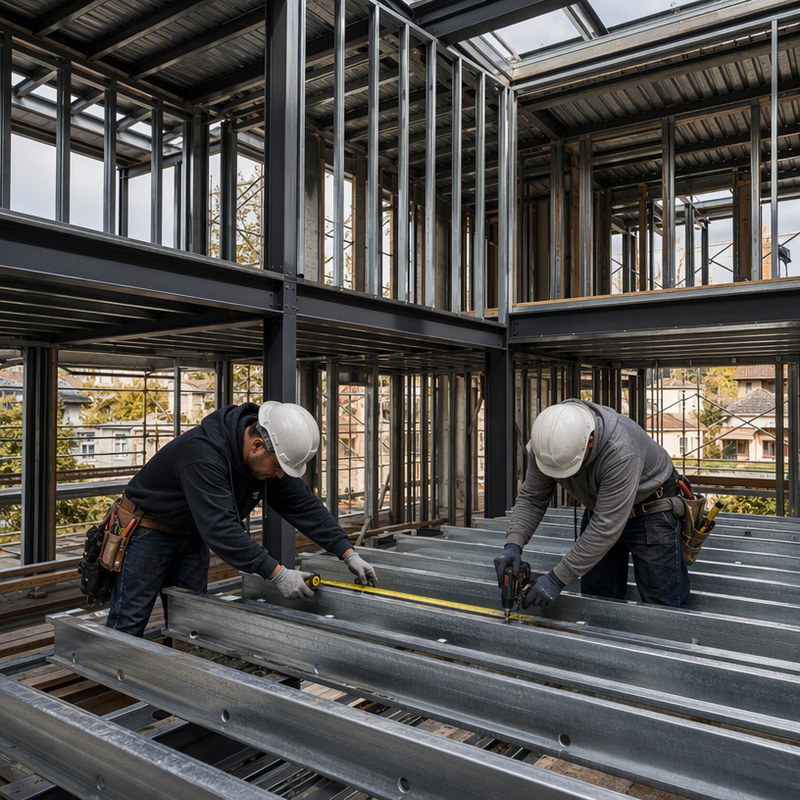
Wholesale Sourcing Tips for Reliable Framing Material Suppliers
Several key specifications are critical when selecting residential framing components. These include:
Material Type: Common materials include light steel, wood, and engineered wood products. Each has different load-bearing capabilities and resistance to environmental factors.
Dimensions: The size of beams and columns should match project requirements. For instance, the height and width of H section steel must be appropriate for the loads they need to support.
Thickness: The thickness of steel components affects their strength and durability. Thicker materials generally provide better performance but may increase overall project costs.
Load Ratings: Understanding the load-bearing capacity of each component is crucial. This involves knowing the anticipated loads from the roof, walls, and any additional factors like snow or wind.
Buyers should ensure that these specifications align with the project’s engineering requirements. Consulting with engineers or architects can help clarify these needs, ensuring that selected materials meet all performance expectations.