EN
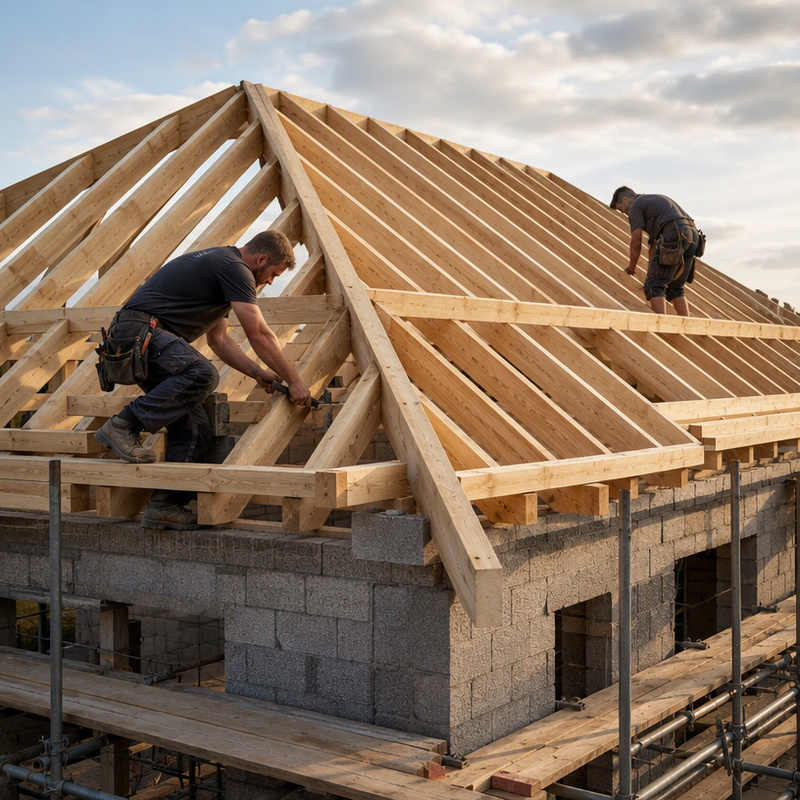
Roof frame construction is a critical aspect of building design and engineering, influencing both structural integrity and aesthetics. Selecting the appropriate roof frame can be a complex decision for B2B buyers, such as purchasing managers and engineers, who must consider factors like load-bearing capacity, material durability, and application suitability. This article will guide you through various roof frame construction options, quality control measures, installation guidance, and common issues to help you make informed purchasing decisions.
Evaluating Roof Frame Construction Options
When evaluating roof frame construction options, it's vital to analyze several key specifications. These include the frame's dimensions, material properties, and load ratings. The frame design can greatly affect the overall performance of the roof, influencing factors such as energy efficiency and resistance to environmental stresses.
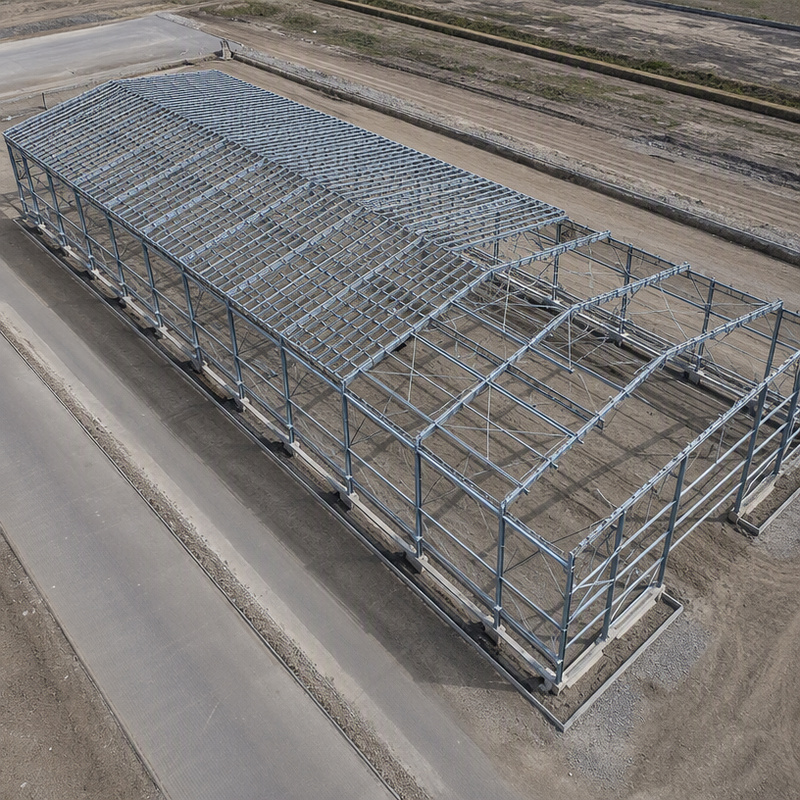
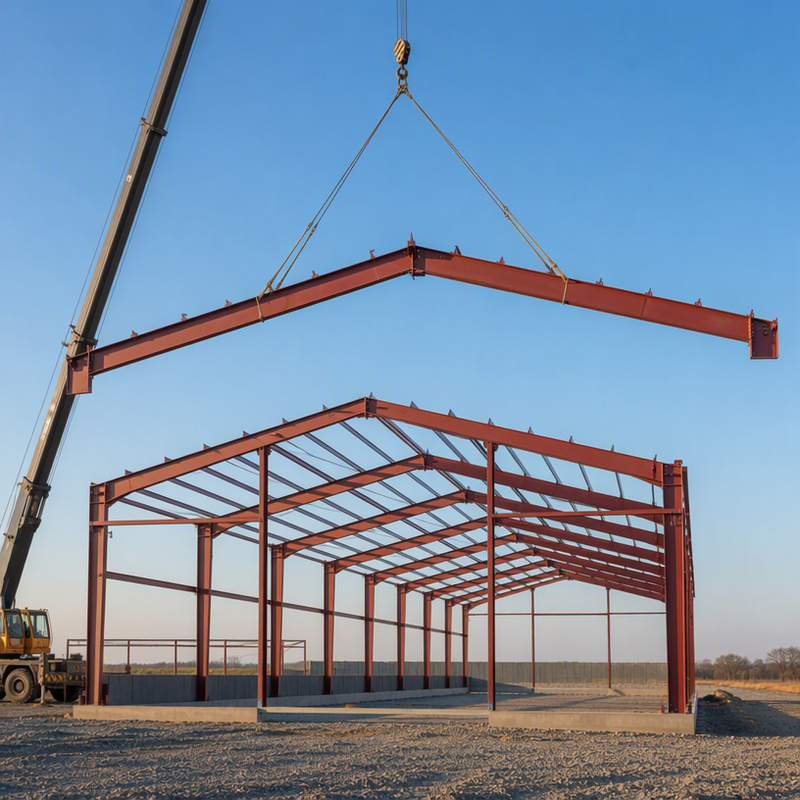
A common option in commercial construction is the H section steel frame, which offers excellent load distribution and structural stability. When assessing this type of frame, consider the following:
Dimensions: The height and width of the steel sections can affect both the frame's aesthetic and its structural capabilities. Ensure that dimensions align with your project's design specifications. Material Quality: The grade of steel used can significantly impact durability and resistance to corrosion. Look for frames produced using high-quality materials, which can withstand environmental factors over time. Welding Techniques: The quality of welding can influence the overall integrity of the frame. Ensure that advanced welding techniques are utilized to provide strength and reliability.By thoroughly evaluating these options, buyers can select the most appropriate roof frame construction for their specific project needs.