EN
Roof construction involves the careful selection and assembly of various materials and components to create durable, efficient, and safe structures. For B2B buyers, such as purchasing managers and engineers, understanding the intricacies of roof construction is critical, as it directly impacts project costs, timelines, and overall functionality. This article will guide you through essential considerations when selecting materials, specifications, installation practices, common issues, and quality performance in roof construction.
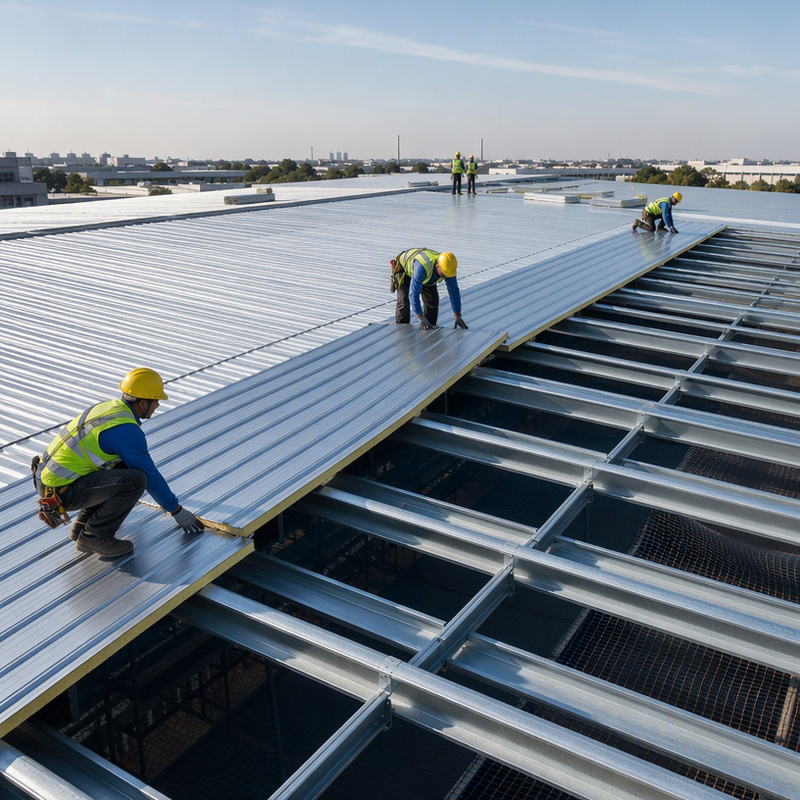
Key Specifications for Quality Roof Construction Products
Understanding key specifications is crucial for ensuring the quality and performance of roof construction products. Here are some important specifications to consider:
Thickness: The thickness of steel plates or composite materials affects both strength and insulation properties. Typically, a thicker plate provides better load-bearing capacity but may also influence installation complexity.
Dimensions: Custom dimensions may be necessary for specific projects. Always confirm that dimensions match project requirements to avoid complications during installation.
Coating: Protective coatings are vital for preventing corrosion and extending the lifespan of roofing materials. Look for products with high-quality galvanization or other treatment processes.
Tensile Strength: This specification indicates how much force a material can withstand without breaking. Higher tensile strength is often required for areas subjected to heavy loads or extreme conditions.
When sourcing materials from manufacturers like Shenyang Haibo Weiye Light Steel Color Plate Co., Ltd, ensure that they can provide detailed product specifications and compliance with local building codes.