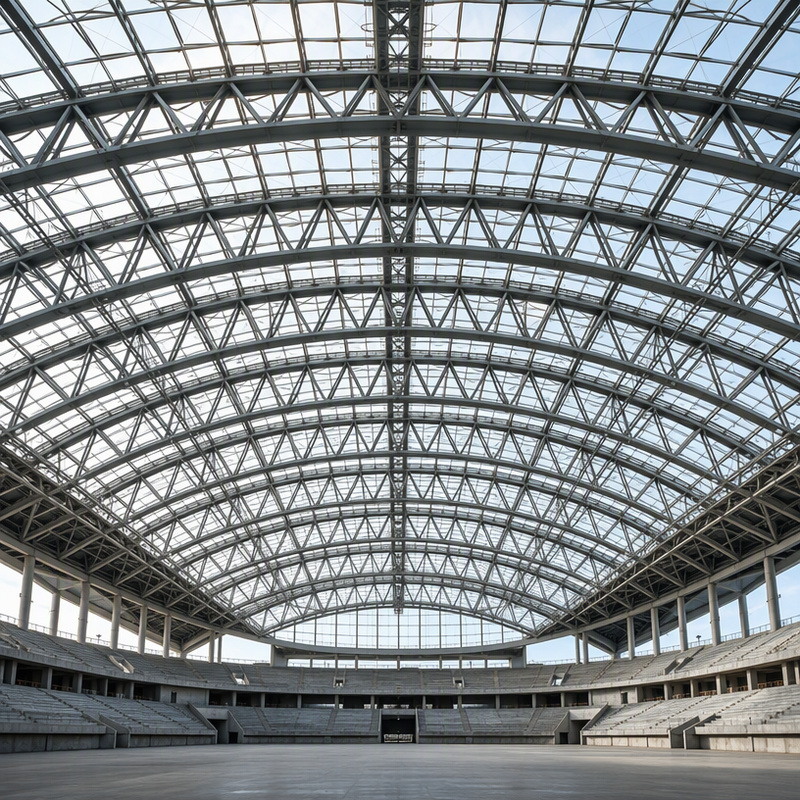
Choosing the Right Roof Structure for Your Project

All Categories

roof structure

Roof  structures are  critical components in  building construction, providing the necessary support  and protection that influences a  project's longevity and performance. Selecting the right roof  structure  is a key concern for B2B buyers, including purchasing managers, engineers, and product managers, as  it directly impacts safety, cost, and compliance  with industry standards.  This article  aims  to guide  readers  through  the essential  aspects of roof  structures, from choosing the  right type to  understanding specifications, cost factors, common issues, and  the expertise involved in manufacturing these vital components.
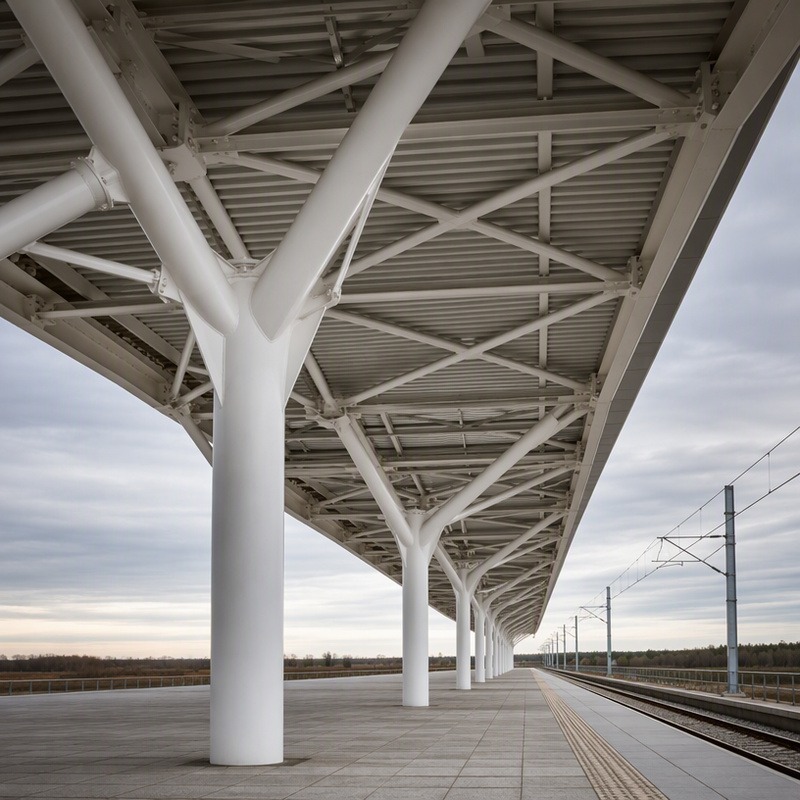
Key Specifications to Consider for Roof Structure Products

Key Specifications to Consider for Roof Structure Products

When evaluating roof structures,  several specifications  are crucial for ensuring the product meets your project's needs:

Material Selection: The choice of  material,  such as H section steel or composite plates, affects durability, weight, and load capacity. Steel is often preferred for its strength and  longevity, while composite  materials may  offer weight savings.

Dimensions and Load Capacity: Confirm the dimensions of the  roof structure and  ensure it meets the loading requirements  based on  the intended use and local building codes. A structure that does not meet these specifications can pose safety  risks and lead to compliance issues.

Thickness and Surface  Treatment: The thickness of the steel  and any protective coatings (like galvanization) are essential for preventing corrosion and ensuring longevity. These factors can significantly affect the roof's performance and maintenance needs.

Certifications  and Compliance: Verify that the roof structure complies  with relevant industry standards and certifications.  This may include specifications for fire  resistance, environmental impact, and  structural integrity.
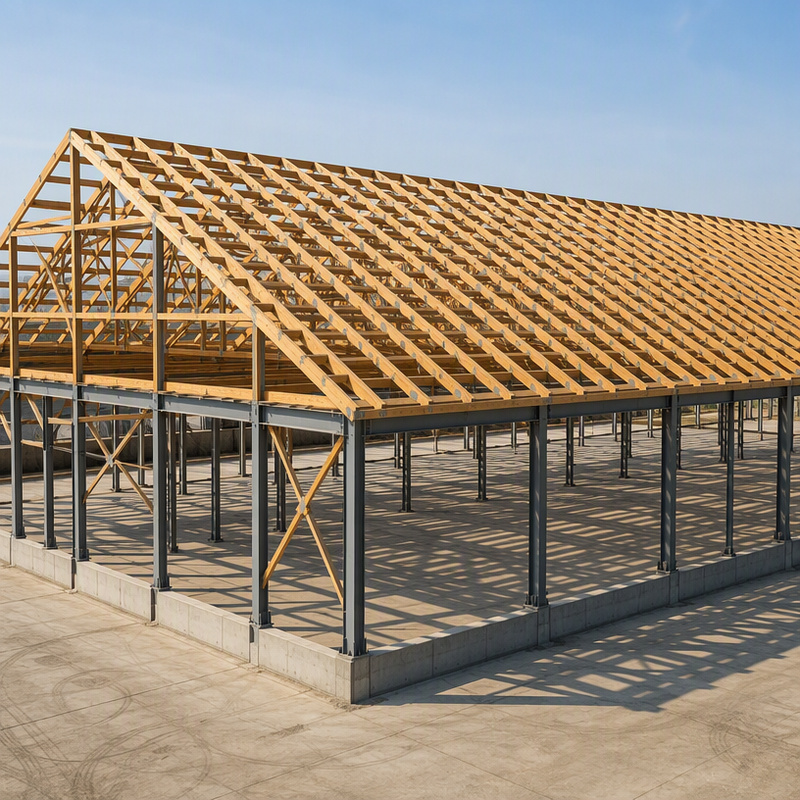
Cost Factors Impacting Roof Structure Purchases and Installations

Cost Factors Impacting Roof Structure Purchases and Installations

Understanding the cost factors involved  in roof structure purchases is vital for budget management:

Material Costs: Prices  for  raw materials fluctuate based on market conditions. Steel prices, for example, are influenced by global supply and demand,  which can impact overall  costs.

Manufacturing Complexity: More complex designs  or customizations can lead  to higher manufacturing costs. It's essential to balance design aspirations  with practical budget considerations.

Installation Expenses: Labor costs can  vary significantly based on  location and the complexity  of the installation. Ensure  that installation  costs are factored into  the total  project  budget.

Transportation Costs: Consider the logistics of transporting large roofing components to  the  project site. Shipping costs can add to the overall expense, especially if the components are large or require special handling.

Common Problems with Roof Structures and Effective Solutions

Common Problems with Roof Structures and Effective Solutions

B2B buyers should be  aware of  common issues  associated with roof  structures and how to address them effectively:

Structural Failures: Inadequate load capacity can lead to structural failures. Always consult with an engineer  to ensure that the design meets all  necessary load requirements.

Corrosion and Weather Damage: Exposure to elements  can degrade materials over time. To  mitigate this, select high-quality materials with appropriate protective coatings and regularly inspect the roof for signs of wear.

Poor Installation Practices: Incorrect installation  can lead to leaks and structural problems. Hire experienced contractors and ensure that they follow the  manufacturer's guidelines throughout the  installation process.

Maintenance Oversight: Many  buyers neglect regular  maintenance, which can lead to  significant  issues down the line. Establish a  maintenance  schedule to  inspect and address potential problems  before they escalate.

Technical Expertise Behind Our Roof Structure Manufacturing Process

At Shenyang Haibo Weiye  Light Steel Color  Plate  Co., Ltd, we leverage advanced manufacturing techniques to  produce high-quality roof structures. Our expertise encompasses  several key elements:

Advanced  Production Lines: Our state-of-the-art production lines utilize CNC and welding equipment, ensuring precision and consistency  in  each component. This  technology allows for efficient manufacturing of complex designs.

Quality Control Processes: We implement stringent  quality control measures throughout the production process to ensure that each roof structure meets rigorous industry standards. This  includes  testing materials and components before  they are approved for  mass production.

Customization Capabilities: We recognize that each project is  unique. Our team works closely with clients to provide customized solutions that meet specific design and performance  requirements, ensuring that the final product aligns with the project's  needs.

Expertise in Diverse Applications: Our extensive experience in manufacturing roof structures for various industries positions us as a trusted partner for your  roofing needs. We understand the nuances of different applications and can offer tailored advice based on your project specifications.

By understanding these critical aspects of roof structures, buyers can make informed decisions that  align with their project requirements, budget, and long-term goals.

How to Choose the Right Roof Structure for Your Project Needs

Choosing the  appropriate roof structure depends on several factors, including the building's intended use, environmental conditions, and budget. Different types of roof structures, such as trusses, beams, and purlins, offer various benefits and drawbacks.

Application Requirements: Evaluate the  specific requirements of  your project. For example, industrial buildings may benefit from steel trusses that  can support heavy loads,  while commercial buildings might require  a more aesthetic design with  color steel profiled plates.

Environmental Considerations: Assess local  weather conditions. Areas prone to heavy snow  or high winds may necessitate a more robust roof structure.  The  roof should be designed to withstand these conditions  without compromising safety.

Budget  Constraints: Consider the total cost of ownership, which includes the initial purchase price, installation costs, and long-term maintenance expenses. A less expensive option  may lead to higher costs down  the line if it requires frequent repairs  or replacements. For example, investing in high thermal efficiency cladding can reduce long-term energy costs.

Customization Needs: Many projects require tailored solutions. Discuss your  specific requirements with  manufacturers to explore customization options that fit your design and performance criteria.

Frequently Asked Questions

What materials are used in your roof structure panels?

We use high-strength H section steel, box columns, steel trusses and color steel profiled plates with composite plate options for durable, weather-resistant roof structures.
Yes. We integrate design and production to deliver customized roof structure designs to meet site, load and architectural requirements.
We have advanced steel structure production lines, CNC machines and welding support equipment for precise cutting, forming and welded assemblies.
Yes. As a major processor in Northeast China, we handle large annual output and deliver roof structures for diverse large engineering scenarios.
We provide production, quality-checked delivery and can coordinate installation guidance or on-site technical support to ensure proper assembly and performance.

Get a Free Quote

Our representative will contact you soon.
Email
Name
Company Name
Message
0/1000

Related product categories

Get a Free Quote

Our representative will contact you soon.
Email
Name
Company Name
Message
0/1000