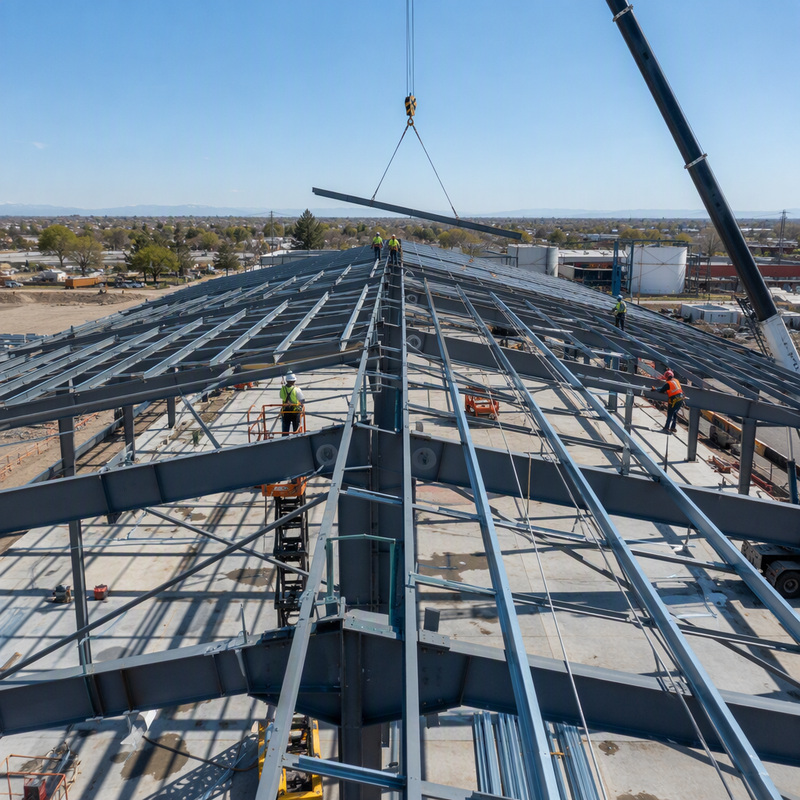
Key Considerations for Sourcing Roof Structure Steel

All Categories

roof structure steel

Roof  structure  steel is an essential component  in the construction industry, providing the framework for roofs in  various buildings, from warehouses to residential  homes.  For purchasing managers and engineers,  understanding the  specifications, applications, and sourcing of roof structure  steel is  critical for  ensuring the right  materials are selected  for each  project.  This  article aims to guide  B2B buyers  through the key  considerations for roof structure steel, helping them make informed purchasing decisions while addressing common buyer  concerns.
What Buyers Should Know

What Buyers Should Know

B2B buyers looking to purchase  roof structure  steel should consider  several practical aspects before making  a decision:

Quality Control  Processes: Ensuring product quality is  vital. Buyers should inquire about the  manufacturer's quality control processes, including testing methods and compliance with industry standards, to avoid receiving subpar materials.

Customization  Capabilities: Many projects may require specific dimensions or profiles that deviate from standard  offerings. It is beneficial to work with suppliers like Shenyang Haibo Weiye Light Steel Color  Plate Co., Ltd, which can accommodate custom orders and provide tailored solutions, such as steel structure components.

Lead  Times and Delivery: Understanding lead times is crucial for  project planning. Buyers should discuss expected delivery timelines with suppliers, especially if customized products are required,  to  avoid delays in construction schedules.

Minimum Order Quantities (MOQ): Suppliers may  have MOQ requirements that can affect project  budgets and logistics. Buyers  should confirm these details  early in the procurement process to ensure they can meet the  supplier's conditions.
Where to Find Reliable Suppliers for Roof Structure Steel Products

Where to Find Reliable Suppliers for Roof Structure Steel Products

Finding  trustworthy suppliers for roof structure steel products is essential  for ensuring quality  and reliability. Here are some approaches to consider:

Industry  Directories and  Associations: Utilizing industry-specific directories and  associations can  help buyers identify reputable manufacturers. These resources often provide information on company credentials and customer  reviews.

Trade Shows  and Exhibitions: Attending trade shows can provide opportunities to meet suppliers,  view products firsthand,  and discuss specific  project needs. Face-to-face interactions also allow buyers  to assess the supplier's expertise and capabilities.

Online  Research: Conducting thorough online research can yield valuable information. Buyers should look for suppliers  with clear product specifications, quality certifications, and positive customer testimonials.

Networking: Engaging  with industry peers and professionals can lead  to  recommendations for reliable suppliers. Personal experiences can help buyers make informed  decisions based on trusted sources.

 
Applications of Roof Structure Steel in Various Construction Projects

Applications of Roof Structure Steel in Various Construction Projects

Roof structure steel plays a pivotal role in  various  construction applications, including:

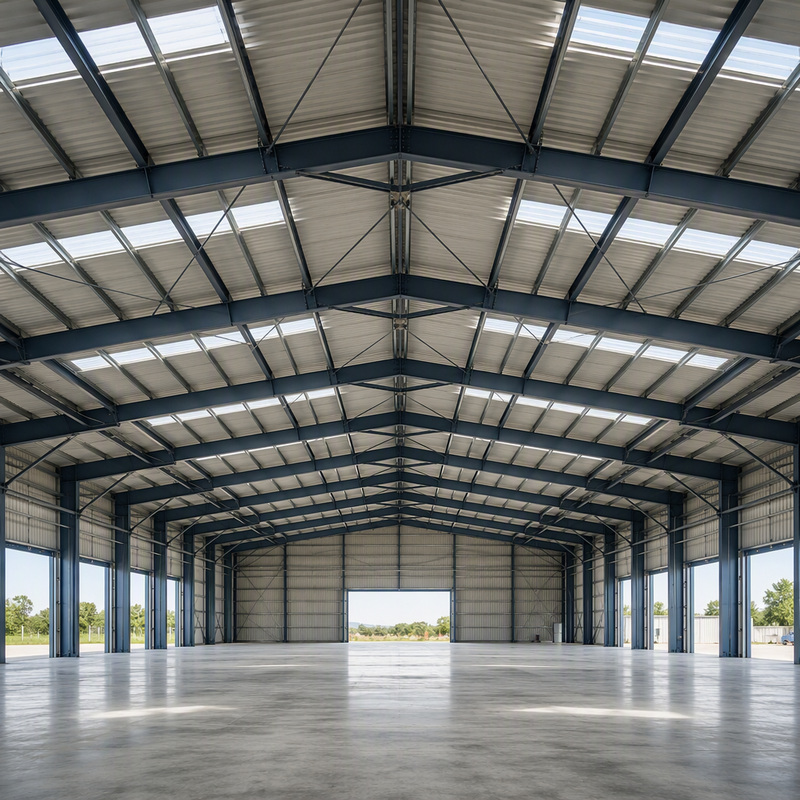
Industrial Buildings: In warehouses and factories, roof structure  steel is essential  for supporting large spans and heavy loads. Its strength  and versatility make it suitable for diverse  industrial  applications.

Commercial  Buildings: For  shopping centers and office buildings, roof  structure steel provides  the necessary support for expansive  roof designs and can accommodate  features such as skylights and ventilation systems.

Residential Projects: In modern homes, steel roofs offer durability and design flexibility. Homebuilders often opt for steel structures to ensure  longevity  and reduce  maintenance  costs.

Bridges and  Infrastructure: Steel trusses and beams are commonly  used in the construction of bridges, providing the strength required for  heavy traffic loads and environmental resilience.

Comparing Different Types of Roof Structure Steel for Wholesale Buyers

Wholesale buyers need to evaluate various  types of  roof structure steel to find the best  options for their projects. Here are some common types and their characteristics:


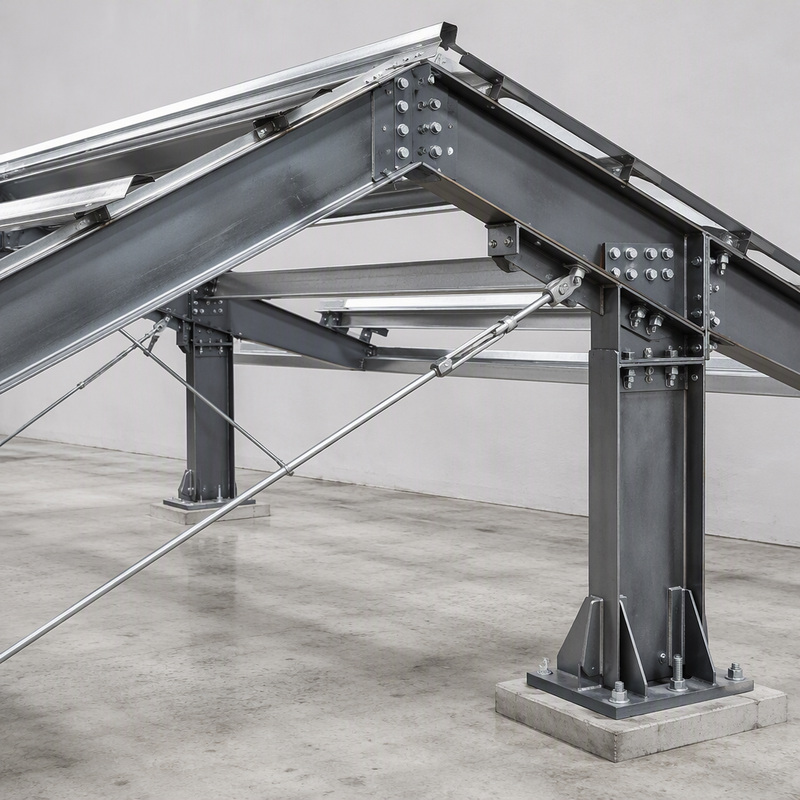
H Section  Steel: Known for its high strength-to-weight ratio, H section  steel is ideal for heavy-duty applications and can support  significant loads. It is often used in commercial and industrial projects.

Box Columns: These provide excellent resistance to buckling and torsion, making them suitable for high-rise buildings and structures requiring lateral stability.

Trusses: Steel trusses are lightweight, yet they can span large distances. They are commonly used  in both  residential and commercial roof designs, allowing for  open interior spaces without support columns.

Composite Plates: Combining steel with concrete, composite plates offer enhanced  structural performance and are used in various applications, including bridges and  multi-story buildings.

Making  informed decisions about roof structure steel requires a deep understanding of specifications, supplier reliability,  and application suitability. By focusing on these areas,  B2B  buyers can ensure  that they select  the right materials for  their construction projects, ultimately leading to successful  outcomes.

Key Specifications to Consider When Sourcing Roof Structure Steel

When sourcing roof structure steel, several key specifications must be taken into account to ensure the material  meets project requirements. Important factors include:

Material Grade: The grade of steel affects its strength and durability. Common grades  for  roof structure steel include S235, S275, and S355, with higher grades  offering increased load-bearing  capacity. Buyers should evaluate the expected loads and environmental  conditions to  determine the  appropriate  grade.

Dimensions and Profiles: Roof structure steel is available in  various shapes, including  H beams, box columns, and trusses. The choice of profile will depend on the specific design  of the roof and  the load it  must support. It’s essential to confirm that the dimensions match the engineering specifications to avoid structural issues.

Thickness: The thickness of the  steel affects its weight and strength. Thicker steel can support heavier loads but may also increase costs and require  more substantial supporting  structures. Buyers should  balance these factors with the project's budget  and performance requirements.

Coating and Treatment: Many roof structure steel products are  treated or coated to enhance corrosion resistance, especially in environments prone to moisture. Options include galvanization and painting. Buyers should specify any required treatments to ensure long-term durability.

Frequently Asked Questions

What roof structure steel products do you offer?

We produce H section steel, box columns, beams, steel trusses, composite plates, color profiled plates and purlins suited for roof structures and large projects.
Yes. We provide design-driven customization using CNC and welding equipment to meet size, load, coating and connection requirements.
Used in industrial roofs, warehouses, bridges, commercial buildings and large-span structures requiring high strength and modular assembly.
We operate advanced production lines with welding and CNC support, offering large annual output and consistent quality control for diverse engineering needs.
We coordinate fabrication schedules, transport logistics and can provide technical installation guidance, drawings and on-site support as required.

Get a Free Quote

Our representative will contact you soon.
Email
Name
Company Name
Message
0/1000

Related product categories

Get a Free Quote

Our representative will contact you soon.
Email
Name
Company Name
Message
0/1000