
Key Considerations for Roof Framing Materials

All Categories

roof framing

Roof framing is a  crucial aspect of construction, providing the structural support necessary  for  rooftops in  various  buildings. Selecting the  right roof framing  materials is  essential for ensuring  durability, safety, and cost-effectiveness.  As a B2B  buyer, you may  be  concerned  about material specifications, quality assurance, and sourcing reliable  suppliers. This article  will guide you through key considerations when  evaluating roof  framing options, helping you make  informed purchasing decisions.
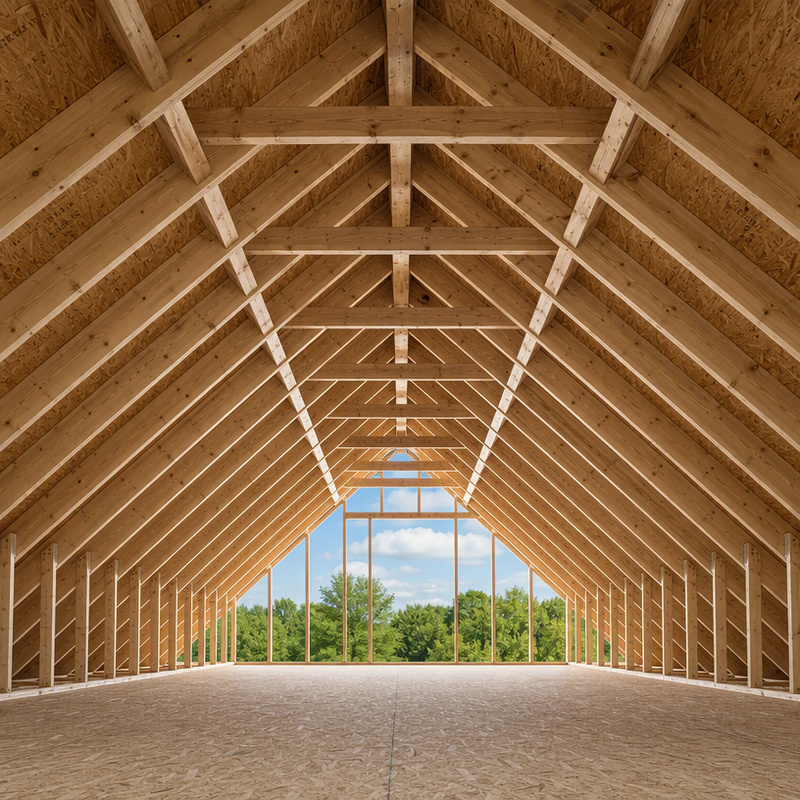
 
Benefits of Using High-Quality Roof Framing Materials

Benefits of Using High-Quality Roof Framing Materials

Investing in  high-quality roof framing materials offers several advantages that can impact both the short and long-term success of a construction project:

Increased Longevity: High-quality materials are designed to withstand environmental stresses, reducing the need for repairs  or replacements over time. For instance, steel framing is resistant to rot, pests, and warping, which can be common issues with lower-quality wood.

Improved  Safety: Quality materials enhance the structural integrity of a building, ensuring that it can support the  intended loads and  withstand severe weather conditions. This significantly lowers the risk of structural failure, providing peace of mind  to both builders and occupants.

Cost Efficiency: While high-quality materials may have a higher upfront cost, they can lead to significant savings over time through reduced maintenance costs and extended lifespan. Buyers should consider the total cost of ownership rather than just the initial purchase price.

Enhanced Aesthetics:  Quality framing materials often  provide  a  better finish and appearance, which can be  important for the visual aspects of a building. This  is especially relevant in commercial and residential projects where curb appeal is a  factor.

Customization Options:  Many manufacturers, like Shenyang Haibo Weiye Light Steel Color Plate Co., Ltd,  offer  customization options for their  roof framing products, allowing buyers  to specify  dimensions,  load requirements, and material finishes tailored to their project needs. Additionally, for unique design requirements, buyers might consider exploring Steel Structure Components.

By choosing high-quality roof framing materials, buyers can ensure their projects are built to last, meeting both aesthetic and functional requirements.
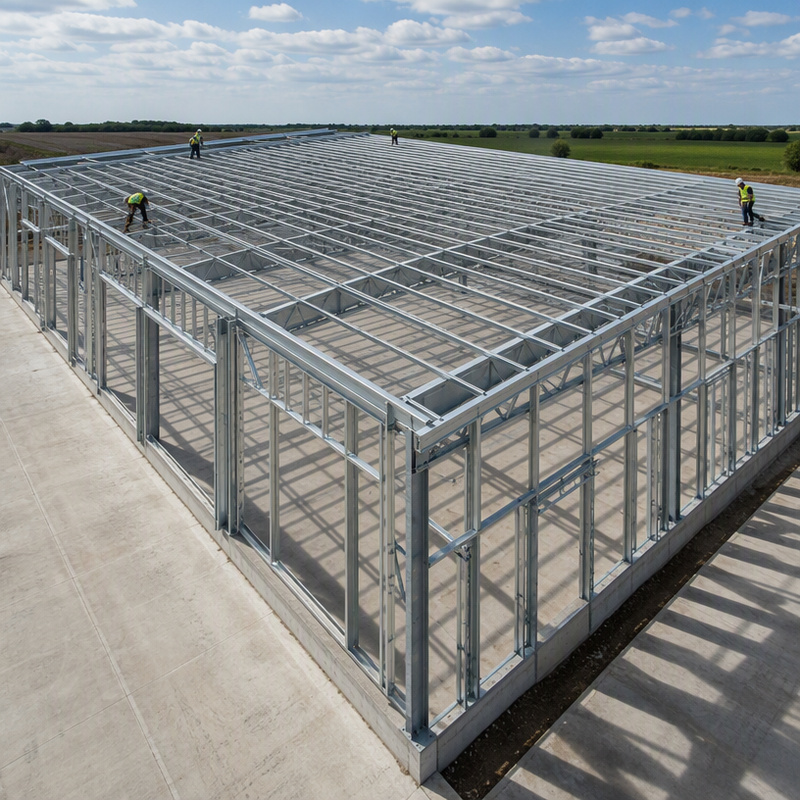
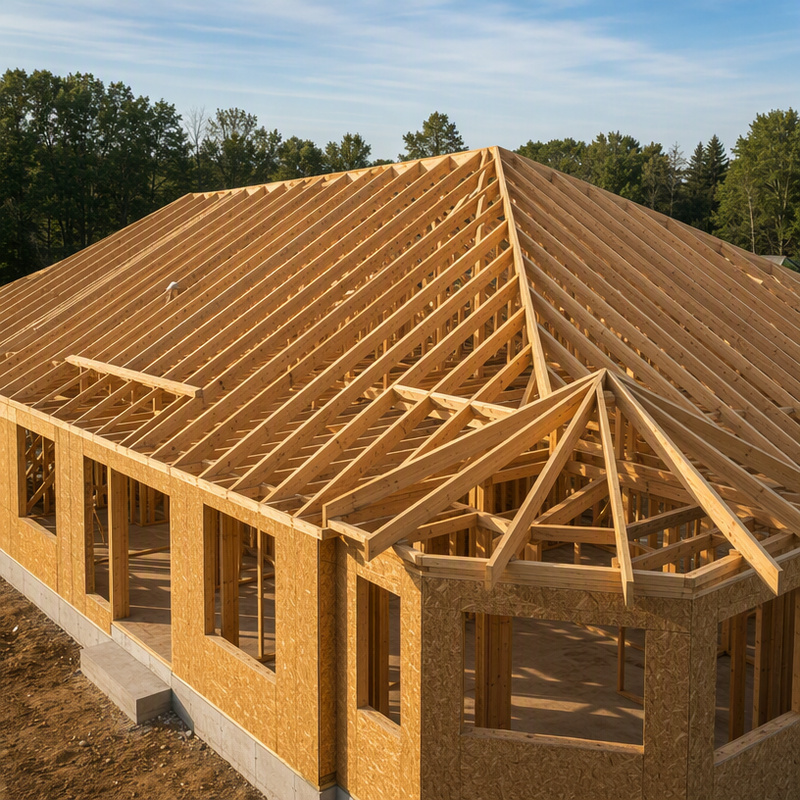
Where to Find Reliable Wholesale Suppliers for Roof Framing

Where to Find Reliable Wholesale Suppliers for Roof Framing

Finding reliable wholesale suppliers for roof framing materials involves careful research and evaluation.  Here are some strategies to identify trustworthy  sources:


Industry Directories:  Utilize online industry directories and platforms  that specialize in construction materials. Websites such as ThomasNet and Alibaba  can provide  a list  of suppliers, along with customer reviews and ratings.


Trade Shows and Expos: Attending industry trade shows allows buyers to meet suppliers face-to-face, inspect products, and discuss specific needs. Events  like  the International Builders’ Show (IBS) or local construction expos can be valuable networking opportunities.

Referrals and Recommendations: Seek  recommendations from  industry peers, architects, or contractors who have previously worked with roof framing suppliers. Personal referrals often lead to  reliable and quality-focused suppliers.

Supplier Websites and Portfolios: Review supplier websites for product catalogs, case studies, and testimonials. A  reputable supplier should showcase their  past projects and provide detailed information about their materials and services.

Quality Assurance Certifications: Verify if suppliers have relevant certifications that demonstrate their commitment to quality and  safety standards.  This can include ISO certifications, industry-specific quality standards, or other relevant industry affiliations.

By employing these  strategies, buyers can identify and partner with wholesale suppliers who meet their quality and project  requirements.

Common Problems in Roof Framing and Effective Solutions

Common Problems in Roof Framing and Effective Solutions

Roof  framing can present several common challenges that buyers should be aware of  to prevent costly issues down the line. Here are a  few of those challenges and suggested solutions:

Incorrect Load Calculations: One of the most frequent issues  in roof framing is miscalculating load requirements. Buyers should  work closely with structural engineers to ensure that the framing materials  are appropriately sized and  rated for the specific  loads they will encounter.

Poor Material Selection: Choosing the wrong material can lead to structural failures. It is essential for buyers to consider the environmental  conditions and building codes in their region. For example, areas with heavy snowfall may require stronger steel framing compared to regions with milder climates.


Inadequate Quality Control: Insufficient quality control  during manufacturing  can result in defects that compromise the  integrity of the framing. Buyers should  prioritize  suppliers who have stringent  quality assurance processes in place, including testing and inspection protocols.

Improper Installation: Even high-quality materials can  fail if not installed correctly. Providing adequate training for installation crews or hiring experienced professionals can mitigate this risk.

Lack of Communication with Suppliers: Miscommunication regarding specifications  and requirements can lead to errors. Buyers should maintain open lines of communication with suppliers and ensure that all  specifications are documented clearly before production begins.

By proactively addressing these common challenges, buyers can enhance the reliability and performance of their roof framing projects.


Cost Factors to Consider When Purchasing Roof Framing Materials

When considering the cost of roof framing materials,  several factors can influence the overall pricing beyond just the base material cost. Here are some key cost factors to  keep in mind:

Material Quality and Type: The choice between steel, wood, or engineered products can greatly affect price. Steel may have higher initial costs but offers durability, while wood may be less expensive but  could incur more long-term maintenance costs.


Customization and Specifications: Custom  dimensions, finishes, and  load ratings  often come at a premium. Buyers should be prepared to specify their exact needs when requesting quotes to avoid unexpected costs.

Quantity Discounts: Larger  orders often qualify for bulk pricing or discounts. Buyers  should assess their  project needs and consider ordering materials in bulk to reduce costs.

Shipping and  Handling: The logistics of transporting materials can add to the overall  cost. Factors such as distance from  the supplier, the  weight and volume of materials, and packaging requirements can influence shipping costs.

Market Fluctuations: Prices for raw materials, especially steel,  can fluctuate due  to market conditions. Buyers should stay informed about market trends and plan their purchases accordingly to  secure the best prices.

Lead Time and Availability: Longer lead times may  necessitate expedited shipping or sourcing from alternative suppliers, potentially increasing costs. Buyers should verify availability and lead times when planning their projects to  avoid delays and additional expenses.

By understanding these cost factors, buyers can better prepare  their budgets and make more informed purchasing decisions regarding roof framing materials.

Key Specifications to Evaluate When Sourcing Roof Framing

When sourcing roof framing, several key specifications  need to be evaluated to ensure the materials meet project requirements. These include:

Material Type: Common materials for  roof  framing include steel, wood, and engineered wood.  Steel offers superior  strength  and durability, making it ideal for heavy  loads and adverse weather conditions. In contrast, wood is lighter and more affordable, suitable for residential projects. For commercial applications, consider exploring options like Commercial Steel Buildings that leverage steel's benefits.

Dimensions: The dimensions of beams, trusses,  and purlins should align with the load  requirements  and building codes. The span length, depth, and width are critical  to determining structural integrity and performance.

Load Capacity: Understanding the load-bearing capacity of the framing materials is essential. This includes live loads (temporary loads such as snow and people)  and  dead loads (permanent loads such as  the roof itself).

Manufacturing Standards: Look for materials that comply with relevant industry standards and certifications. This includes ASTM (American Society for Testing and Materials)  standards for steel products, which ensure quality and performance.

Fabrication Quality: Evaluate  the manufacturing process, including welding techniques, surface treatments, and quality control measures. A reputable manufacturer should have processes in place to ensure  consistent quality  throughout production.

By considering these specifications, buyers can ensure they select roof framing  materials that are safe, efficient, and suitable for their  specific applications.

Frequently Asked Questions

What materials are used in your roof framing products?

We use high-quality H section steel, box columns, beams, steel trusses and purlins, plus composite and color steel profiled plates produced on advanced lines for strength and durability.
Yes. We integrate design, production and sales and can customize section sizes, connection details and coatings to meet project requirements.
Suitable for industrial, commercial, warehouse, bridge and large-span engineering projects where strong, lightweight steel framing is required.
We offer technical guidance, fabrication drawings and on-request installation assistance to ensure correct assembly and structural performance.
As a major Northeast China processor with advanced equipment and large annual output, lead time depends on order size; contact us for specific scheduling and delivery estimates.

Get a Free Quote

Our representative will contact you soon.
Email
Name
Company Name
Message
0/1000

Related product categories

Get a Free Quote

Our representative will contact you soon.
Email
Name
Company Name
Message
0/1000