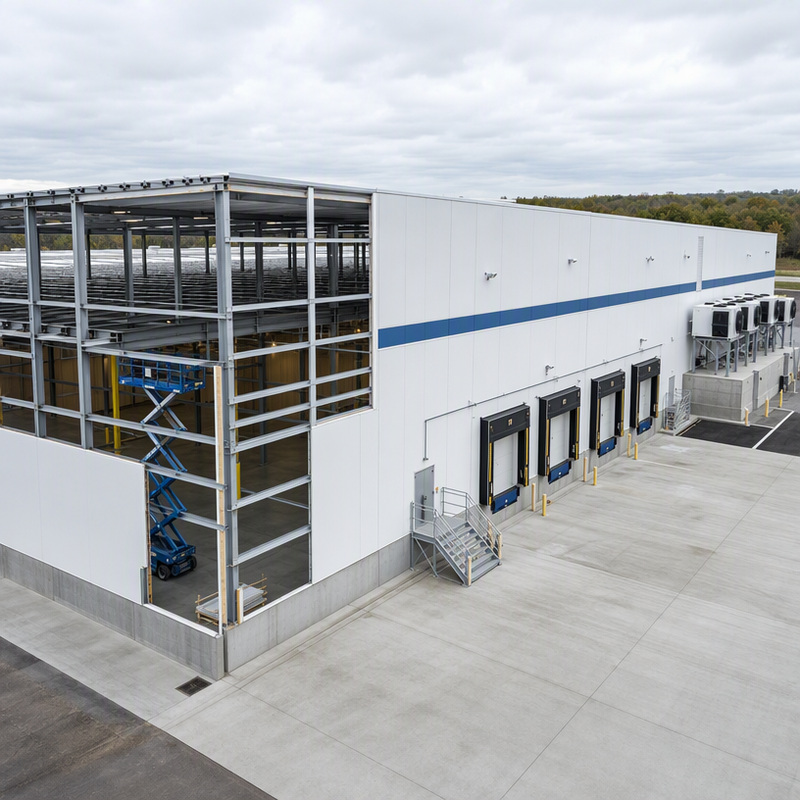
Cold Storage Design Build: Essential Insights

All Categories

cold storage design build

Cold storage design  build refers to the specialized process  of creating environments  specifically tailored for the storage of temperature-sensitive goods. This includes designing, constructing, and equipping  facilities capable of  maintaining  optimal conditions for  perishable products, pharmaceuticals, and  other sensitive materials. For B2B buyers,  particularly purchasing  managers and engineers, concerns often revolve around  quality standards,  design specifications, and  the reliability of suppliers. This  article  will  clarify  these aspects to  aid in making informed decisions regarding cold  storage design build projects.
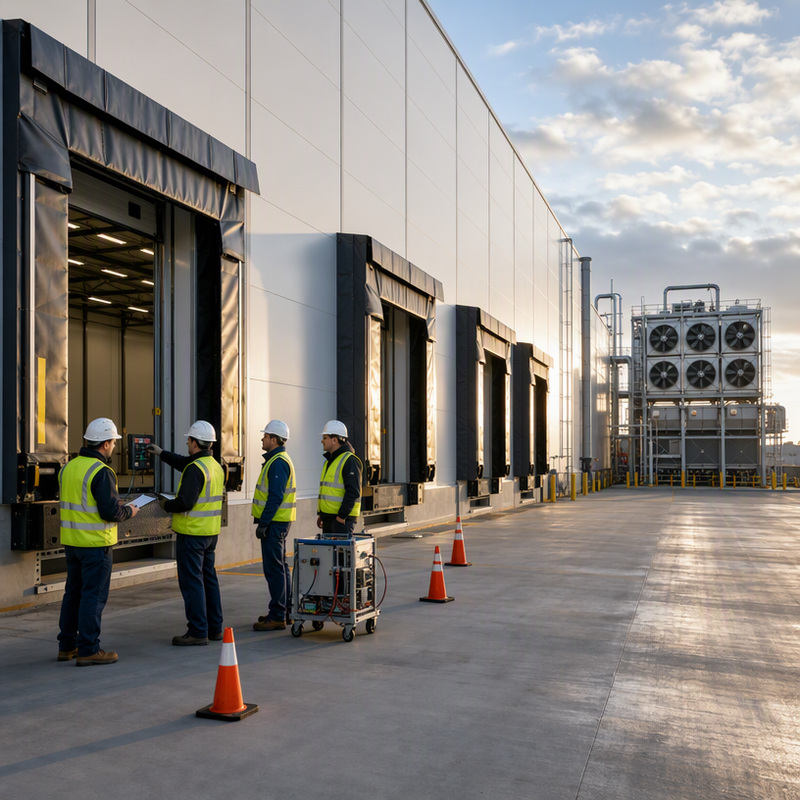
 
Where to Source Reliable Cold Storage Design Build Suppliers

Where to Source Reliable Cold Storage Design Build Suppliers

Finding  reliable suppliers for cold storage design builds requires  a strategic approach. Start by evaluating manufacturers with proven industry experience, such as Shenyang Haibo Weiye  Light Steel Color Plate  Co.,  Ltd,  which integrates design, production, and sales. Key steps include:

Assessing Manufacturing Capabilities: Look for  suppliers  with  advanced production lines and supporting equipment. Suppliers should demonstrate expertise in producing structural  components  like H-section steel, beams, and composite plates, ensuring they have the capacity for your project size.

Reviewing Past Projects: Request case studies or references  from potential suppliers. This provides insight into  their experience  with  similar projects, showcasing their ability to meet design specifications and deadlines.

Certifications and Quality Control: Verify that the supplier  holds relevant certifications that demonstrate adherence to quality control processes. This may include ISO certifications or compliance with industry-specific standards.

Customization Capabilities: Suppliers should offer customization options to cater to specific project  needs. Discuss the potential  for tailored designs that align with your operational requirements. For example, if your project requires a unique structure, consider exploring options like Multi-story Steel Structure Office Building Modern Commercial Steel Frame Building.

By focusing on these criteria, buyers can identify suppliers  that not only meet their technical needs but also align with their  quality expectations.
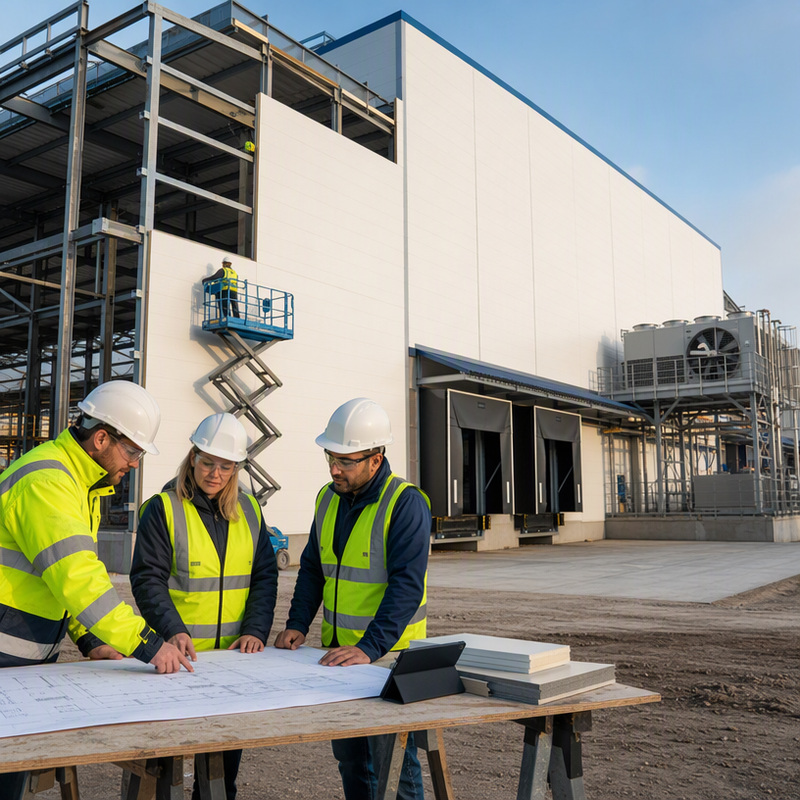
Cost Considerations When Investing in Cold Storage Design Build

Cost Considerations When Investing in Cold Storage Design Build

Investing  in  a cold storage design build involves several cost  considerations  that can significantly impact the overall budget. These include:

Initial Construction Costs: The foundation of your budget will stem from the construction phase, which includes materials, labor, and equipment. Discuss potential  costs with suppliers early in the  process and  consider requesting quotations based  on detailed specifications.

Operational Costs: These include energy  consumption for  refrigeration and maintenance costs. Selecting energy-efficient systems can result in long-term savings, making it essential to consider life-cycle costs rather than just initial expenditure.

Regulatory Compliance Costs: Ensure your design meets all local regulations, as non-compliance  can  lead to fines or the need for costly modifications. Buyers should factor  in  potential costs associated with  permits, inspections, and certifications.

Future Expansion:  If you anticipate growth, consider designing the facility for  scalability. This may involve  higher upfront costs but can save money in the long run by allowing for  easier upgrades.

By carefully evaluating these cost components, buyers can create a more accurate budget and avoid unexpected expenses during and after  the construction process.

Common Issues in Cold Storage Design Builds and Their Solutions

Common Issues in Cold Storage Design Builds and Their Solutions

Cold storage design builds can present specific challenges that, if not  addressed, could lead to operational inefficiencies or  compliance issues. Common problems include:

Temperature Fluctuations: Inadequate insulation or malfunctioning cooling systems can cause temperature  variations, risking product integrity. To  mitigate this, ensure that  the design includes high-quality insulation  materials and  reliable HVAC systems, backed by maintenance  plans.

Inadequate Space Planning: Poor layout design can  lead to inefficient workflows  and increased labor costs. Engage with experienced designers who can optimize space  usage  while adhering  to safety regulations.

Regulatory Compliance Issues: Non-compliance can result in penalties or product recalls. Regularly consult with local regulatory bodies to ensure that designs and materials meet the required standards.

Supply Chain Delays:  Delays in material procurement can  stall construction. Building relationships with multiple suppliers can provide contingency options to  avoid such delays.

Addressing these common issues  proactively will help  ensure a smooth construction  process and operational  efficiency once your cold storage facility is up and running.

Installation Guidance for Efficient Cold Storage Design Builds

Proper  installation is critical to the success of any  cold storage design build. Here are practical  guidelines to  ensure efficient installation:

Pre-Installation Planning: Before installation  begins, conduct a thorough review of the project  plans. This should include verifying that all materials and equipment are on-site  and meet the required  specifications.

Engaging Qualified Personnel: Ensure  that skilled technicians handle installation, particularly for HVAC and refrigeration systems. Their expertise will  minimize errors and ensure compliance with safety standards.

Testing Systems Thoroughly: After installation, conduct comprehensive testing of temperature controls and  emergency systems. This should include running the systems at peak load conditions  to confirm  they operate effectively.


Documentation  and Training:  Maintain detailed records of all installation processes  and training for operational staff. This documentation will be invaluable for future maintenance and  troubleshooting.

By following these installation guidelines, buyers can enhance the  performance and  longevity of their cold storage facilities, ultimately protecting their investments and ensuring compliance with industry standards.

Quality and Specifications Explained

When embarking on a cold storage design build, understanding the quality and specifications is crucial. Key specifications include temperature control, insulation value, and material compliance.

Temperature Control: The facility should maintain  precise temperature ranges suited for specific products. Buyers need to  specify the  required temperature range, as this  influences the cooling systems selected, from refrigeration units to insulation materials.

Insulation Value: Insulation thickness and  materials significantly affect energy efficiency  and  temperature  stability.  For example, polyurethane foam offers superior insulation but  may come  at a higher cost  compared to polystyrene. Buyers should evaluate the thermal resistance (R-value) of proposed insulation materials to ensure they meet the operational demands. Incorporating effective insulation solutions is vital, such as utilizing PU PIR Insulated Wall Sandwich Panel High Thermal Efficiency Cladding for optimal performance.


Material Compliance:  The materials used in construction must comply with safety regulations and standards relevant to  the storage of food or  pharmaceuticals. Buyers should confirm  that suppliers provide certified materials with relevant documentation.

Understanding these specifications helps buyers avoid common pitfalls, such as selecting inadequate insulation  that leads to  temperature fluctuations or choosing materials that do not meet regulatory  standards.

Frequently Asked Questions

What cold storage design services do you offer?

We provide integrated cold storage design-build services including structural steel framing, insulated panels, roofing, purlins, and custom layout planning using our steel production and CNC fabrication capabilities.
Yes. Using H-section steel, box columns, trusses and composite plates, we design and fabricate structures to fit custom dimensions and operational workflows.
Yes. We offer production, delivery and on-site assembly support, leveraging our welding and CNC equipment and experienced installation teams for efficient construction.
We use high-quality color steel profiled plates and insulated composite panels, precise manufacturing and tight joint detailing to minimize thermal bridging and ensure reliable insulation.
Our designs follow regional structural and cold storage engineering standards, using calculated H-section beams, box columns and trusses sized for specified snow, wind and operational loads.

Get a Free Quote

Our representative will contact you soon.
Email
Name
Company Name
Message
0/1000

Related product categories

Get a Free Quote

Our representative will contact you soon.
Email
Name
Company Name
Message
0/1000