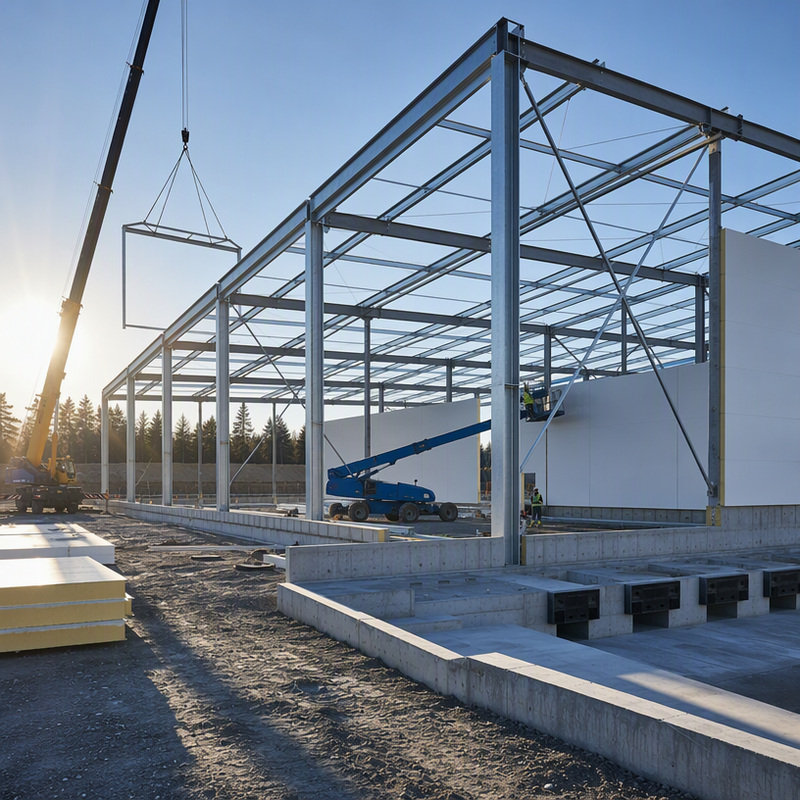
Cold Storage Warehouse Construction Guide

All Categories

cold storage warehouse construction

Cold storage warehouse construction is an  essential aspect  of various industries,  ranging from  food  and pharmaceuticals to  chemical storage. As a B2B  buyer,  your  primary concerns  likely include ensuring that the right materials and  specifications are selected to meet operational needs, regulatory  compliance, and budget constraints.  This article will guide you through the key specifications,  material  quality  evaluations, wholesale buying considerations, cost factors, and common  challenges encountered in  cold storage  warehouse construction projects.
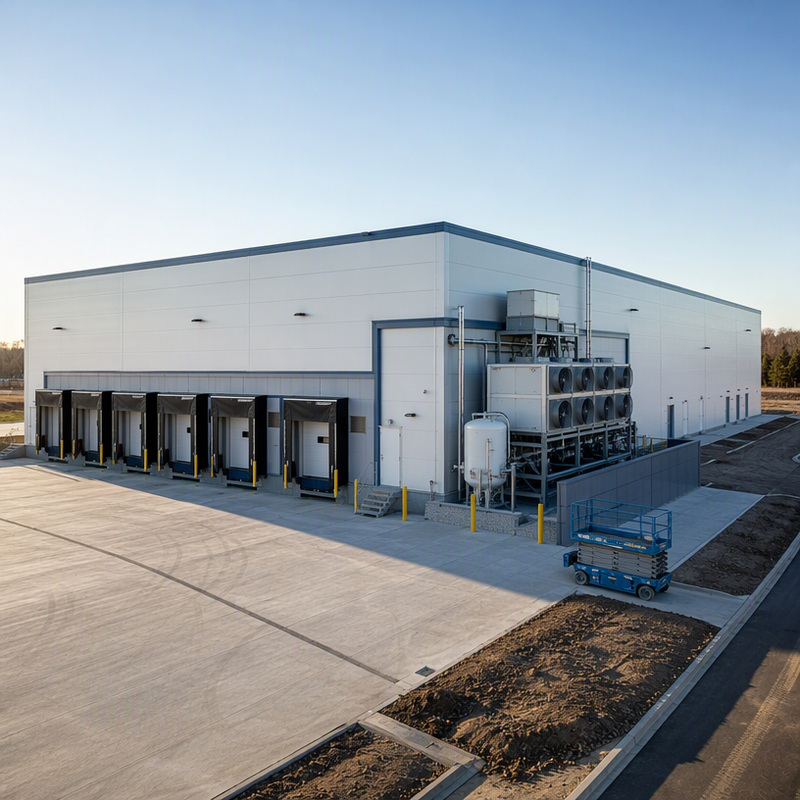
 
How to Evaluate the Quality of Cold Storage Building Materials

How to Evaluate the Quality of Cold Storage Building Materials

Evaluating the quality of building materials is crucial  to ensure the durability  and efficiency of cold  storage warehouses.  Here are key  factors to consider:


Material Certifications: Always ask for  certifications that validate the quality of materials, such as  ISO or ASTM standards. These certifications indicate that the materials have been  tested for  specific performance metrics.


Supplier Reputation: Research the supplier's reputation in the industry. Established suppliers like Shenyang Haibo Weiye Light Steel Color Plate Co., Ltd., known for  their  advanced  steel structure production lines, are typically more reliable.

Material Properties: Assess the material properties such as thermal conductivity, moisture resistance,  and fire resistance. For instance, color steel profiled plates should be evaluated for their ability to resist corrosion  and maintain structural integrity in cold environments, similar to our Wall Cladding Profiled Sheet Color-coated Steel Exterior Wall Panel.


Sample Testing: Before finalizing an  order, request samples of the materials to be used. This allows for  on-site testing under actual operating conditions, ensuring  they meet your project’s specific requirements.
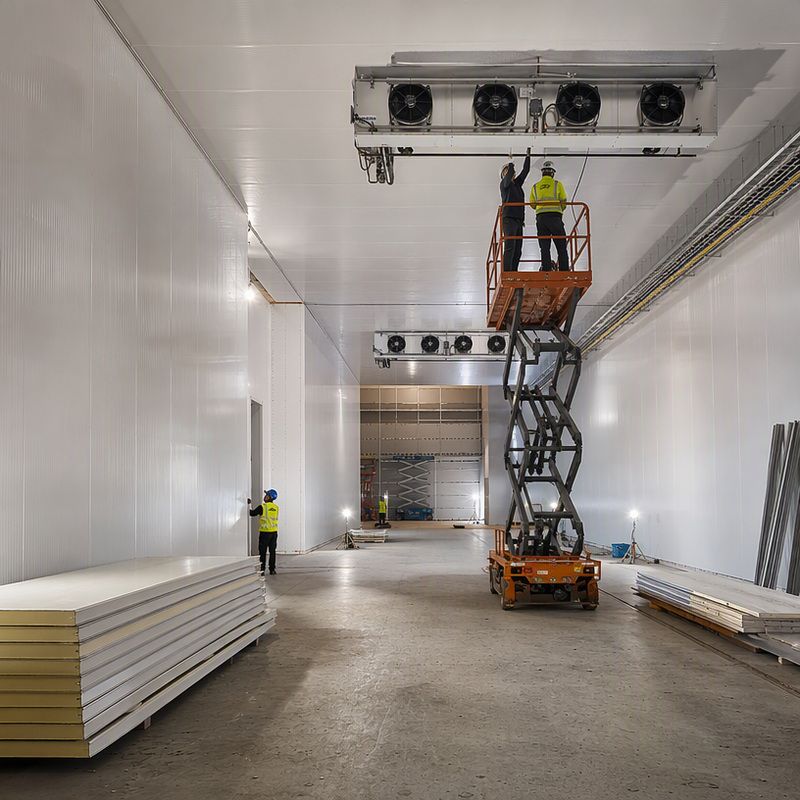
Wholesale Buying Guide for Cold Storage Warehouse Structures

Wholesale Buying Guide for Cold Storage Warehouse Structures

When  purchasing cold storage warehouse structures wholesale, consider the following guidelines to ensure a smooth procurement  process:

Define Your  Requirements: Clearly  outline the  specifications you need for your cold storage warehouse,  including dimensions, temperature  requirements, and material  preferences.

Request Multiple Quotes: Obtain quotes from several suppliers to compare pricing, terms, and  lead times. Ensure that each quote includes  detailed specifications to  facilitate accurate comparisons.

Check Minimum Order  Quantities (MOQs): Be aware of the MOQs set by different suppliers. Some  manufacturers may offer lower prices per unit but require larger quantities, which may  not align with your current needs.

Customization Options: Discuss  customization capabilities with suppliers.  Many  manufacturers offer tailored solutions  to meet unique requirements, such as specific  insulation types or structural designs.

Shipping and Delivery: Consider logistics when selecting a supplier. Ensure they can deliver materials within  your project timeline and evaluate their capabilities regarding packaging and shipping to prevent damage during transit.

Cost Factors to Consider for Cold Storage Warehouse Construction

Cost Factors to Consider for Cold Storage Warehouse Construction

Understanding the cost factors involved in cold storage warehouse construction helps in budgeting accurately. Key aspects include:

Material Costs: The choice of materials significantly impacts the overall cost. High-quality insulation  and steel components may  come at a premium but can  offer better energy efficiency and durability.

Labor Costs: Labor expenses vary depending on  the complexity of the  construction and location. Ensure to factor  in skilled labor for specialized tasks like refrigeration system installation.

Design and  Engineering Fees:  Engage professionals for design and structural engineering  to  ensure compliance with local regulations and efficient use of space.

Utility  Installation: The  cost of installing refrigeration units, electrical systems, and plumbing should not be  overlooked. These systems  are critical for maintaining the functional integrity of the cold storage facility.

Maintenance and Operational Costs: Consider  long-term operational  costs, including energy  consumption for refrigeration  and ongoing maintenance. Efficient designs can  lead to lower operational  costs over time.

Common Challenges in Cold Storage Warehouse Construction Solutions

Several challenges can arise during cold  storage warehouse construction. Here are common issues and their solutions:

Temperature Fluctuations: Maintaining  stable temperatures can be  difficult. Investing  in high-quality insulation and advanced refrigeration systems,  along with regular maintenance, can mitigate this challenge.

Regulatory Compliance: Ensuring compliance with local building codes and health regulations is crucial. Engage with knowledgeable architects  and engineers to navigate these requirements effectively.

Material Delays: Supply chain  disruptions  may lead to delays in material availability. Consider sourcing materials from multiple suppliers or maintaining a buffer stock of critical components.

Cost Overruns: Budget overruns are common in construction projects. Establish a clear budget with contingency  funds for unexpected expenses and closely  monitor spending  throughout the  project.

Integration of Technology:  As technology advances, integrating smart systems for monitoring temperature  and inventory can be challenging. Ensure to collaborate with  experts who can implement these technologies seamlessly into your operations.

By understanding the key specifications, evaluating material  quality, navigating the  wholesale buying process, considering cost factors, and anticipating common challenges, you  will be better equipped to  make informed  decisions in your cold storage warehouse construction projects.

Key Specifications for Cold Storage Warehouse Construction Projects

When planning cold storage warehouse construction,  several key specifications must be considered to ensure  the facility  meets operational requirements.

Insulation Type and Thickness: The insulation used plays a critical role in  maintaining  the  internal temperature. High-performance insulation materials, such as polyurethane or polystyrene,  are commonly  used due  to their excellent thermal resistance. The thickness of the insulation should be determined based on the temperature  range required for your specific application.

Structural Integrity: The building's structural components, including H section steel, box columns, and steel trusses, must be designed to withstand the load and environmental conditions. For  example, the steel gauge and treatment should be specified according  to the expected load and  potential exposure to corrosive elements. Incorporating a Portal Frame Rigid Bent Pre-engineered Steel Column and Rafter can enhance structural integrity.

Temperature Control Systems: Efficient refrigeration and temperature control systems  are paramount. The design should include considerations for airflow, humidity control,  and the capacity  of refrigeration units.

Flooring Specifications: The flooring must be durable and able to withstand heavy loads, as well  as provide a smooth surface for easier movement of goods. Common flooring materials include reinforced concrete or specialized epoxy flooring that  can tolerate low temperatures.

Access  Points: Design should accommodate the movement of goods in and out of the facility. High-speed doors and  loading docks should be placed strategically to minimize temperature fluctuations.

Frequently Asked Questions

What cold storage warehouse types do you build?

We construct various cold storage types including refrigerated rooms, blast freezers, and multi-temperature warehouses using light steel frames, color steel panels and composite plates tailored to client needs.
We use H-section steel, box columns, beams, steel trusses, purlins, composite plates and color profiled steel panels produced on advanced lines.
Yes. We integrate design, production and sales to deliver customized structural designs, CNC precision components and welding-supported assemblies for diverse projects.
As a major Northeast China processor with large annual output, we handle bulk orders; lead time varies by scope—typical delivery schedules are provided after project assessment.
We supply complete prefabricated components and can coordinate installation guidance. After-sales support includes quality follow-up and assistance with adjustment or replacement needs.

Get a Free Quote

Our representative will contact you soon.
Email
Name
Company Name
Message
0/1000

Related product categories

Get a Free Quote

Our representative will contact you soon.
Email
Name
Company Name
Message
0/1000