
Cold Storage Building Construction Insights

All Categories

cold storage building construction

Cold storage building construction is  a critical area of  focus for  industries requiring temperature-controlled  environments,  such as food processing, pharmaceuticals, and logistics. Buyers are often concerned about specifications, supplier reliability, installation  processes, and how  to maximize  efficiency in these buildings.  This article will  provide comprehensive insights into  cold storage  building specifications, supplier selection criteria, installation guidance,  industry  applications,  and design efficiency to  assist purchasing  managers and engineers in making  informed  decisions.
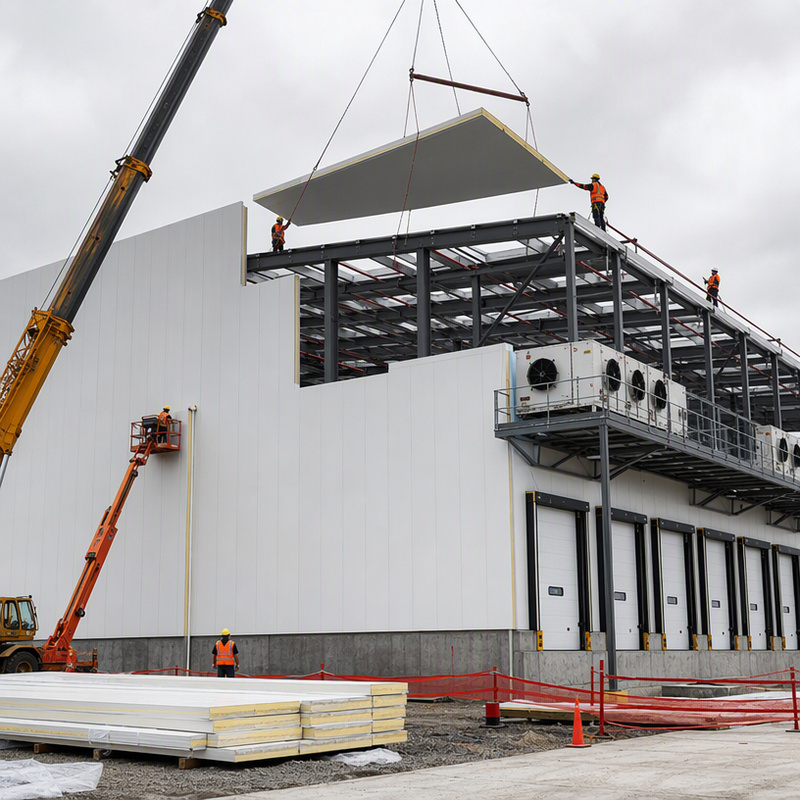
 
How to Choose Reliable Suppliers for Cold Storage Construction

How to Choose Reliable Suppliers for Cold Storage Construction

Selecting a reliable supplier for cold storage construction is  vital for ensuring project success and quality. Here are key  considerations:

Manufacturing Capabilities: Assess the supplier’s ability to handle the specific materials and technologies required for cold storage buildings. For  instance, suppliers like Shenyang Haibo Weiye utilize  advanced steel structure production lines and CNC equipment, ensuring precision and quality in  their products.

Experience and Expertise: Look for suppliers with a proven track record in cold storage construction. Their  experience can provide invaluable insights into design nuances  and  common pitfalls in the construction process.

Customization  Capabilities: Since every project has unique  requirements, a supplier’s ability to customize designs and specifications is crucial.  This includes  adapting dimensions, thermal performance, and structural designs to  meet your particular needs.

Certifications  and Quality Control: Verify if the supplier adheres to  industry standards and maintains quality control processes. Certifications  can serve as indicators of a supplier's commitment to quality and reliability.

Post-Installation Support: Consider suppliers that offer ongoing maintenance and support services. Efficient cold storage requires regular checks  and  updates to ensure optimal performance over time. Additionally, utilizing a Prefabricated Steel Structure Warehouse Building can facilitate easier maintenance and adaptability.

By evaluating  these factors,  buyers can select a supplier who not only meets technical requirements but also aligns with their operational goals.
Installation Guidance for Efficient Cold Storage Construction

Installation Guidance for Efficient Cold Storage Construction

Effective installation  is crucial to  the performance of cold  storage buildings. Here are essential steps to ensure  a successful installation process:

Site  Preparation: Ensure that  the installation site is adequately prepared. This includes leveling the ground and ensuring proper drainage to prevent water accumulation, which  can compromise the building’s integrity.

Understanding Building Requirements: Before installation begins, confirm  the specifications and requirements with all stakeholders. This  includes reviewing architectural plans, electrical layouts, and refrigeration system designs.


Follow Manufacturer Guidelines: Adhere to the manufacturer’s installation instructions meticulously. This is particularly important  for  structural components,  such as  steel trusses  and beams, to ensure they meet load-bearing requirements.

Quality Checks During Installation: Conduct regular inspections during the installation process to verify that all components are installed  correctly. This  includes checking the alignment of structural elements  and ensuring that insulation is properly applied.

Training for Operational Staff: Once installation is complete, provide training for operational staff on how to manage and maintain the cold storage environment. This includes understanding temperature and humidity controls, as well as emergency protocols.

A well-executed installation process can  significantly enhance the efficiency and lifespan of cold storage  buildings.

Applications of Cold Storage Buildings in Various Industries

Applications of Cold Storage Buildings in Various Industries

Cold storage  buildings  serve a  range of  industries, each with specific requirements. Some of the key applications  include:

Food and Beverage Industry: Cold storage  is critical  for  preserving perishable goods,  such as meat, dairy, fruits, and  vegetables. Facilities must be designed to meet strict health and safety  regulations while maintaining optimal storage conditions.


Pharmaceuticals: The pharmaceutical industry requires  precise temperature control to ensure the efficacy of vaccines and medications. Cold storage  buildings must be equipped with advanced  monitoring systems to track temperature fluctuations.

Logistics and Distribution: Supply chain efficiency often depends on cold storage solutions that allow for the safe transit of temperature-sensitive goods. These  facilities must integrate seamlessly with transportation logistics  to ensure timely delivery.

Floral and Horticultural: The floral industry relies on cold storage to extend the shelf life of flowers and plants. Proper environmental control helps  maintain freshness and quality until products reach consumers.

Understanding the  specific application requirements can help buyers tailor their cold storage solutions to  meet industry needs effectively.

Maximizing Efficiency in Cold Storage Building Design and Construction

Maximizing efficiency in cold storage building design involves strategic  planning and innovative  solutions. Here are key strategies to consider:

Optimize Layout: The internal layout should facilitate smooth operations, from receiving goods to storage and dispatch. Consideration for workflow can reduce handling  times and improve efficiency.

Energy-Efficient  Systems: Invest in energy-efficient refrigeration and lighting systems. Options such as LED lighting and variable frequency drives (VFDs) for compressors  can significantly reduce energy consumption.

Monitoring  and Automation:  Implementing IoT (Internet of Things) technology can enhance monitoring capabilities.  Automated systems can track temperature and humidity levels, providing real-time data to optimize storage conditions.


Sustainable Materials: Utilize sustainable building materials that contribute to the overall energy  efficiency of the facility. This includes high-quality insulation and structural materials that enhance thermal  performance.

Regular Maintenance: Establish a  routine maintenance schedule to ensure that all systems function optimally.  Preventative maintenance can  help  identify issues before they become costly repairs,  thus maintaining operational efficiency.

By focusing on these areas, companies can create cold storage  facilities that not only meet their current needs but also  adapt to future  demands, ensuring long-term operational success.


Understanding Cold Storage Building Specifications for Your Projec

When considering cold storage building construction, it’s essential to understand the  specific  requirements  that dictate the structure's performance and functionality. Key specifications include  insulation types, temperature control systems, humidity management, and structural integrity.

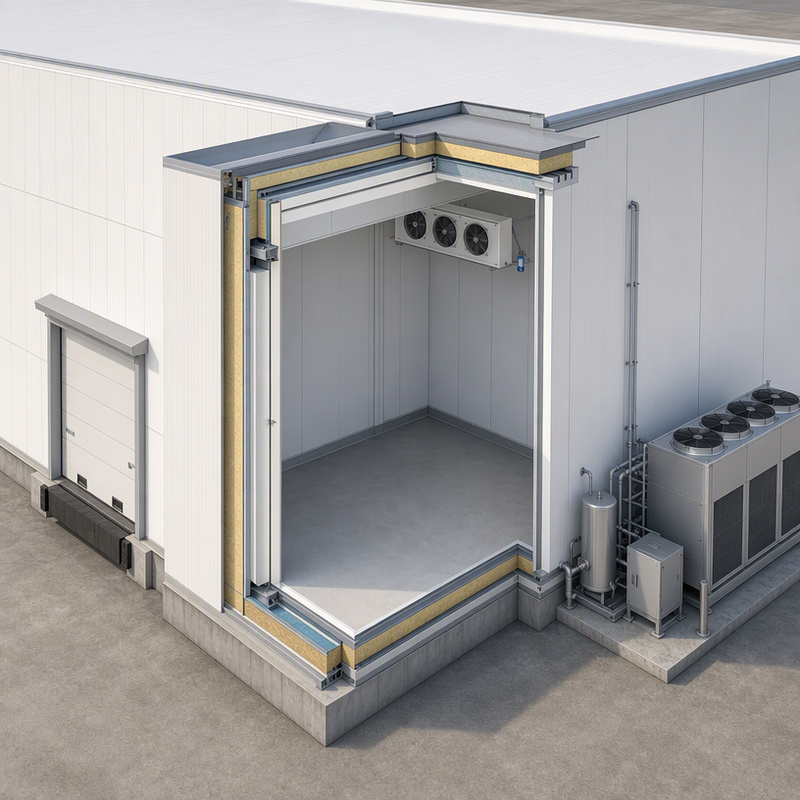
Insulation: The thermal performance of the building is  heavily influenced by the insulation material and thickness. Common materials include  polyurethane and polystyrene, which provide excellent thermal resistance. Buyers should evaluate the R-value of insulation, as  it measures resistance to heat flow;  a higher R-value indicates better insulation.

Temperature Control Systems: The choice  of refrigeration systems is crucial. Options range from traditional vapor-compression systems to more energy-efficient alternatives like ammonia-based systems. It's vital  to select a system that  can maintain the required temperature range for the stored products, which varies  based on the industry.

Structural Integrity: Materials  used  in construction must withstand not only  the stresses of the cold environment but also any load-bearing requirements. Steel structures are  often preferred due to their  strength  and durability, particularly when utilizing H section steel and box columns, as produced by Shenyang Haibo Weiye Light Steel  Color Plate Co., Ltd. For instance, the Portal Frame Rigid Bent Pre-engineered Steel Column and Rafter is an excellent choice for ensuring structural integrity in cold storage buildings.

Humidity Management: Controlling humidity is just as important as temperature.  A well-designed cold storage facility should include dehumidification systems to prevent moisture buildup, which can lead to product spoilage.

By understanding these specifications, buyers can better assess their needs and ensure that the cold storage facilities meet industry standards and operational requirements.

Frequently Asked Questions

What services are included in cold storage building construction?

We provide design, production and installation of steel structures, insulated panels, purlins, trusses and composite plates tailored for cold storage projects.
We use H section steel, box columns, beams, steel trusses, color steel profiled plates and composite insulating panels for durable, insulated structures.
Yes. As a major Northeast China processor with advanced production lines, we support large annual output and diverse engineering scales.
Yes. We integrate design and production to provide customized structural designs and fabrication to meet project specifications.
We operate advanced steel structure lines with CNC and welding equipment to ensure precise fabrication, reliable welding and consistent quality control.

Get a Free Quote

Our representative will contact you soon.
Email
Name
Company Name
Message
0/1000

Related product categories

Get a Free Quote

Our representative will contact you soon.
Email
Name
Company Name
Message
0/1000