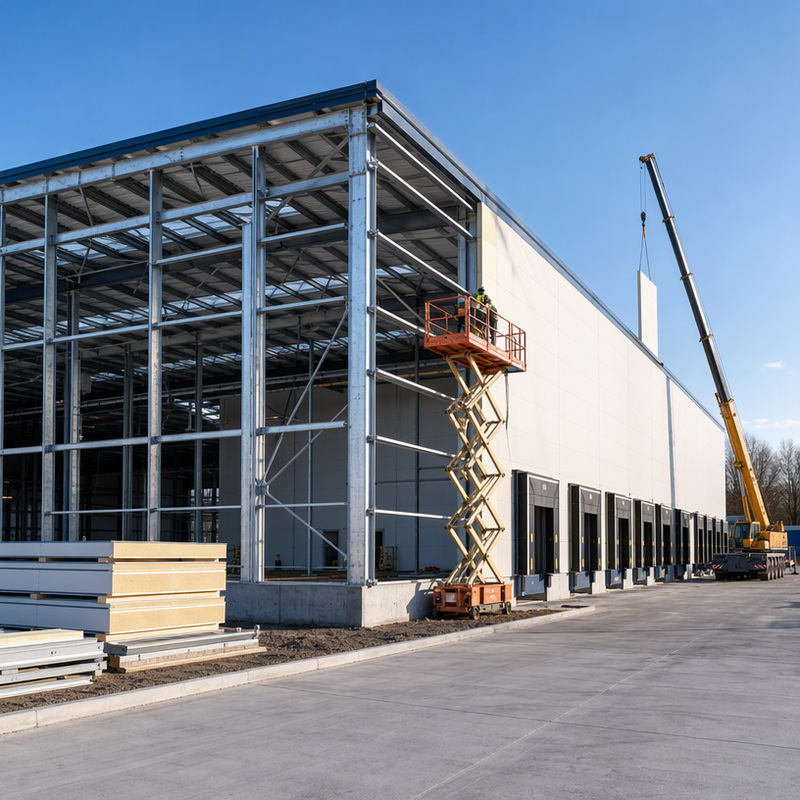
Cold Storage Warehouse Construction Essentials

All Categories

construction of cold storage warehouse

The&nbsp; construction of a&nbsp; cold&nbsp; storage warehouse is a&nbsp; critical&nbsp; investment for businesses looking&nbsp; to preserve perishable goods,&nbsp; requiring&nbsp; a comprehensive understanding of both design&nbsp; and operational considerations. As purchasing managers and engineers evaluate options,&nbsp; they need&nbsp; to address&nbsp; key concerns such&nbsp; as material selection, structural integrity,&nbsp; and cost-effectiveness. This&nbsp; article will&nbsp; outline essential specifications,&nbsp; quality control measures, cost factors,&nbsp; installation guidance, and&nbsp; common challenges faced during the construction of cold storage&nbsp; warehouses.</p>

Quality Control Measures in Cold Storage Warehouse Construction

Quality Control Measures in Cold Storage Warehouse Construction

Quality control is paramount during the&nbsp; construction&nbsp; of a cold storage warehouse to ensure longevity&nbsp; and&nbsp; operational&nbsp; efficiency. Implementing&nbsp; a robust quality management system can help in&nbsp; the following ways:</p>

Material Verification:&nbsp; All materials,&nbsp; including steel components and&nbsp; insulation, should be sourced from reputable suppliers. Certificates of compliance&nbsp; and performance specifications should be&nbsp; obtained to&nbsp; verify that materials meet industry standards.</p>

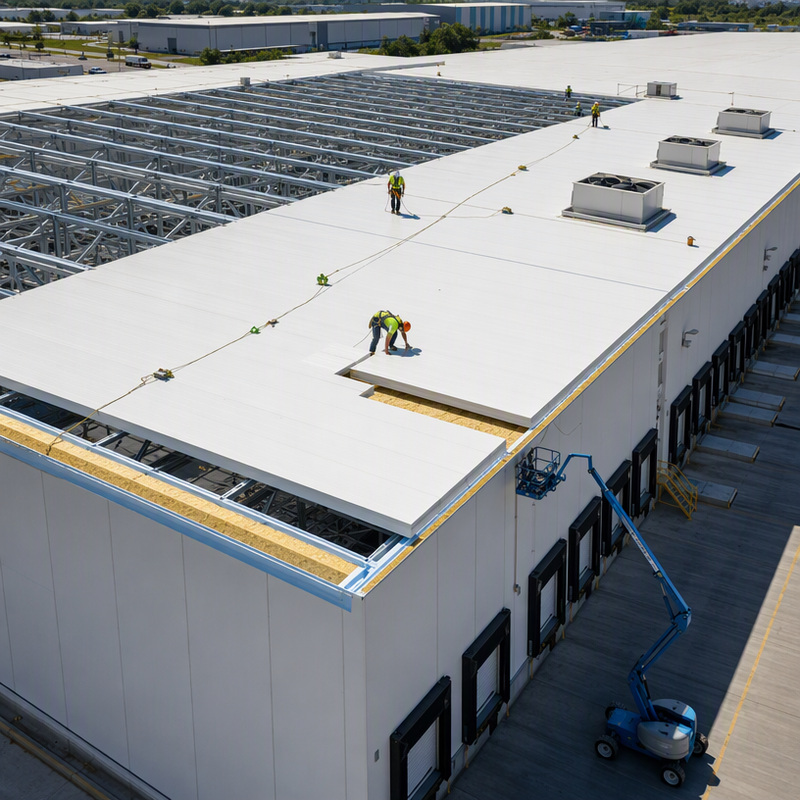
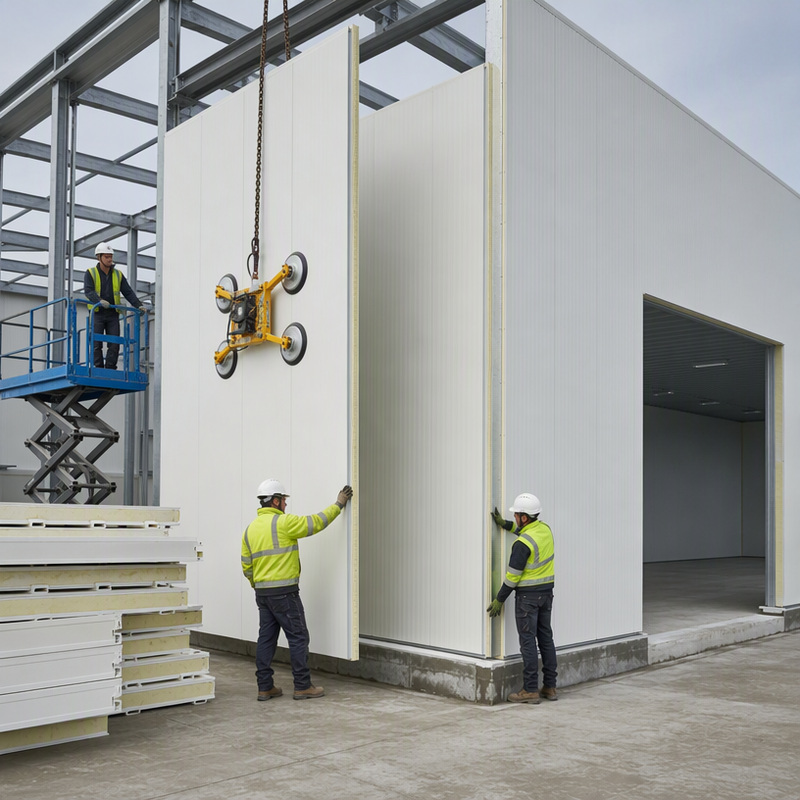
Construction Practices: Adhering to best practices in construction is essential.&nbsp; This includes&nbsp; proper installation of insulation, precise alignment of structural&nbsp; elements, and thorough sealing to prevent air leaks.</p>

Regular Inspections: Conducting periodic inspections throughout the construction phase can help identify issues early.&nbsp; This may involve checking the integrity of welds, the application of&nbsp; protective coatings, and ensuring that the insulation is installed correctly.</p>

Testing Systems: After construction, testing the refrigeration and monitoring systems&nbsp; is crucial to ensure&nbsp; they operate effectively within specified temperature ranges. This can involve performance testing under various load conditions.</p>
Cost Factors to Consider When Building a Cold Storage Warehouse

Cost Factors to Consider When Building a Cold Storage Warehouse

The overall cost of constructing a cold storage warehouse can&nbsp; vary significantly based on several factors:</p>

Location: The geographical location can influence land costs, labor rates, and transportation&nbsp; expenses. Proximity to&nbsp; suppliers and distribution centers can also affect operational efficiency.</p>

Design Complexity: More complex designs that require specialized systems or custom features will naturally lead to higher costs. Simplifying the design without compromising functionality can help manage expenses.</p>

Material Choices: The&nbsp; selection of materials impacts&nbsp; both&nbsp; initial construction costs and long-term operational expenses.&nbsp; For instance, investing in higher-quality&nbsp; insulation may lead to lower energy bills over time. Additionally, utilizing high-quality sandwich panels can enhance insulation performance; explore our Sandwich Panels section for more details.</p>

Labor&nbsp; Costs:&nbsp; Skilled labor may be required for specialized tasks, such&nbsp; as installing refrigeration&nbsp; systems. Understanding the local&nbsp; labor market and&nbsp; potential overtime wages is crucial for accurate&nbsp; budgeting.</p>

Regulatory&nbsp; Compliance: Costs associated with&nbsp; meeting local building&nbsp; codes and regulations should also be&nbsp; factored in. Ensure to allocate a&nbsp; budget for permits and inspections.</p>

Installation Guidance for Efficient Cold Storage Warehouse Projects

Installation Guidance for Efficient Cold Storage Warehouse Projects

Efficient installation of a cold storage warehouse can significantly reduce downtime and operational disruptions.&nbsp; Here are some key steps to consider:</p>

Pre-Construction Planning: Develop a detailed project timeline that outlines&nbsp; critical milestones, including procurement, construction, and testing&nbsp; phases. This helps&nbsp; in&nbsp; tracking progress and&nbsp; managing&nbsp; resources effectively.</p>

Site Preparation: Ensure the site&nbsp; is&nbsp; adequately&nbsp; prepared before construction begins. This includes leveling the ground, addressing drainage issues, and ensuring utility access.</p>

Collaboration with Suppliers: Work closely with material suppliers to coordinate delivery schedules. This ensures that materials arrive on-site&nbsp; when needed, preventing delays.</p>

Training for&nbsp; Installation Teams: Ensure that installation teams are&nbsp; trained&nbsp; in the specific requirements for cold storage construction. This includes&nbsp; understanding the nuances of insulation&nbsp; installation, refrigeration&nbsp; setup, and&nbsp; structural assembly.</p>

Final Inspections and Testing: After installation, conduct thorough inspections to verify that all systems are functioning correctly and that construction adheres to specifications. Testing should&nbsp; include checking insulation integrity and&nbsp; refrigeration efficiency.</p>

Common Problems in Cold Storage Warehouse Construction and Solutions

Constructing a cold storage warehouse can&nbsp; present various challenges. Here&nbsp; are some common problems and their potential solutions:</p>

Poor Insulation Installation: Inadequate insulation can lead to significant energy losses. To&nbsp; mitigate this, conduct regular&nbsp; inspections during installation and consider using thermal imaging to identify&nbsp; potential gaps.</p> &nbsp;

Refrigeration System Failures: If&nbsp; the refrigeration system is not properly designed or installed, it can lead to&nbsp; temperature control issues. Collaborate with experienced HVAC professionals during the design phase to ensure compatibility with operational needs.</p>

Moisture Accumulation: High humidity levels can lead to condensation and mold growth. Implementing a vapor barrier and ensuring proper ventilation can&nbsp; help manage moisture levels effectively.</p>

Structural Weaknesses: If the warehouse structure is&nbsp; not&nbsp; designed to withstand local environmental conditions,&nbsp; it may lead to costly repairs. Engage a structural engineer during the design phase to evaluate load requirements and environmental factors.</p>

Compliance Issues: Failure to comply with local regulations can result in fines&nbsp; and project delays. Stay&nbsp; informed about applicable codes&nbsp; and engage with local authorities early in the planning process to ensure compliance.</p> &nbsp;

By understanding these key aspects of cold storage warehouse construction, purchasing managers,&nbsp; engineers, and other stakeholders can make informed decisions&nbsp; that align&nbsp; with their operational needs and budget&nbsp; constraints.</p>

Key Specifications for Cold Storage Warehouse Design and Build

When designing a cold storage warehouse, several key specifications must be considered to ensure the facility meets operational needs. </p>

Insulation: The insulation material and thickness&nbsp; are crucial for&nbsp; maintaining temperature control.&nbsp; Common materials include&nbsp; polyurethane and polystyrene, which offer&nbsp; high thermal resistance.&nbsp; The choice of insulation impacts energy&nbsp; efficiency and operational costs.</p>

Structural Integrity: Cold storage warehouses must&nbsp; withstand various loads, including the weight of stored goods&nbsp; and environmental factors such as snow or wind.&nbsp; Utilizing high-strength materials&nbsp; like H section steel and box columns can provide the&nbsp; necessary support&nbsp; and durability. For a deeper understanding of structural components, you can explore our Steel Structure Components page for more information.</p>

Temperature Control Systems: The design should&nbsp; include efficient refrigeration systems&nbsp; tailored to the specific temperature requirements for the goods being stored. This&nbsp; includes considering the layout for optimal airflow and minimizing temperature&nbsp; fluctuations.</p>

Flooring: The flooring must be designed to support heavy loads and withstand cold temperatures. Concrete with a smooth finish is often preferred for easy maintenance and durability.</p>

Access Points: Considerations for loading docks, doors, and ventilation systems are vital. These&nbsp; need to&nbsp; be strategically located to streamline operations and minimize&nbsp; temperature loss during loading and unloading.</p>

Frequently Asked Questions

What services are included in cold storage construction?

We provide design, steel structure production, onsite installation, insulation, refrigeration system integration and final testing to deliver turnkey cold storage warehouses.
We use H-section steel, box columns, beams, steel trusses, composite plates, color steel profiled plates and purlins tailored for cold storage requirements.
Yes. We offer customized designs and scalable capacities based on temperature, storage volume and loading requirements, backed by our advanced production lines.
As a major Northeast China processor, we maintain large annual output with CNC and welding equipment to meet project timelines and batch production needs.
Quality is ensured through precision steel fabrication, certified materials, proper insulation panels, professional installation and final performance testing before handover.

Get a Free Quote

Our representative will contact you soon.
Email
Name
Company Name
Message
0/1000

Related product categories

Get a Free Quote

Our representative will contact you soon.
Email
Name
Company Name
Message
0/1000