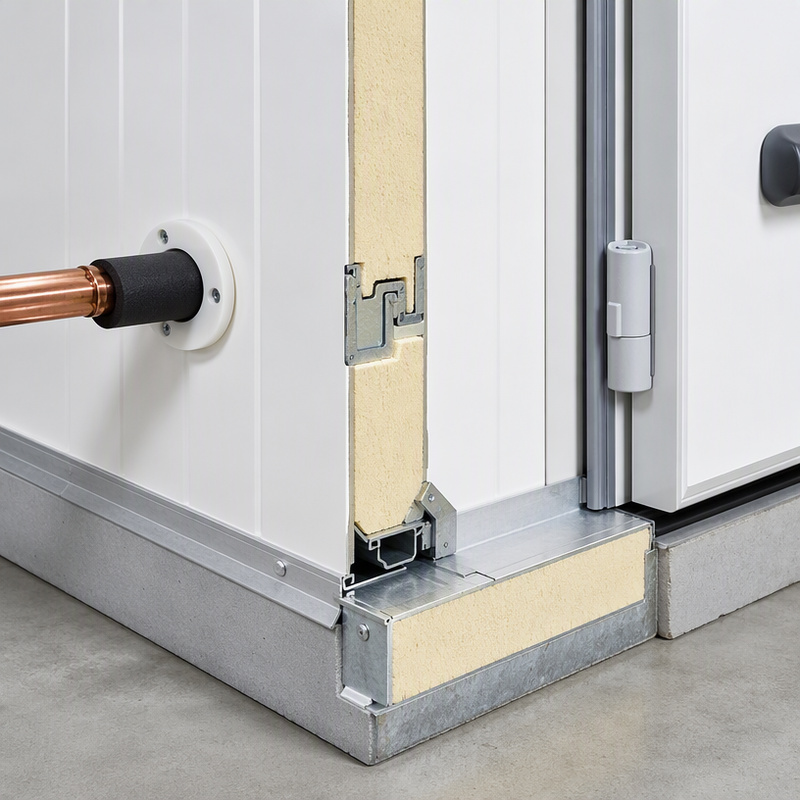
Key Specifications for Cold Storage Construction Materials

All Categories

cold storage construction materials

Cold  storage  construction  materials are vital  for the efficient operation of  cold storage  facilities, ensuring that perishable goods maintain their quality throughout storage and  transportation. As a purchasing manager or project engineer, your primary  concerns  may include material durability, thermal performance, installation feasibility, and overall cost-effectiveness. This  article will  provide you with essential insights into  selecting, sourcing, and  installing  cold  storage construction materials while  addressing critical factors  that  influence your purchasing  decisions. For instance, using a Galvanized Film Greenhouse Tunnel Plastic Grow Tunnel can enhance energy efficiency in cold storage.
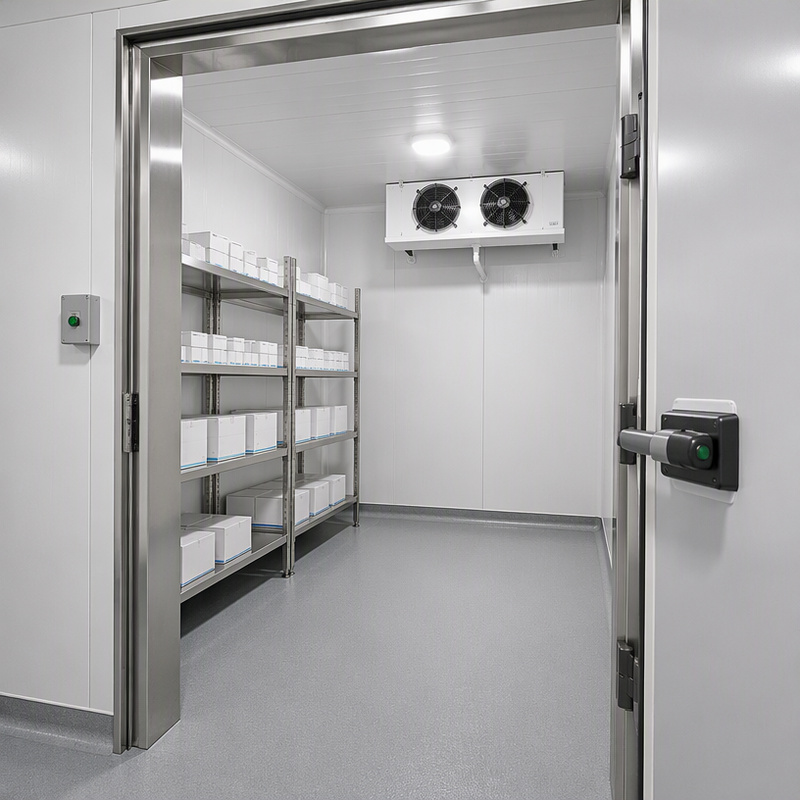
 
Wholesale Sourcing for Quality Cold Storage Solutions

Wholesale Sourcing for Quality Cold Storage Solutions

Sourcing cold storage construction materials from reliable manufacturers is  essential for  ensuring quality and performance. When engaging with suppliers, consider the following:

Established Manufacturers: Identify manufacturers with a proven  track record in cold storage solutions.  Shenyang Haibo Weiye, for example, integrates design,  production, and sales, offering a comprehensive range of products tailored for various engineering scenarios.

Quality Certifications:  Request information on quality control processes and relevant certifications.  Manufacturers should adhere to industry standards that guarantee  the reliability and safety  of their materials.


Minimum Order  Quantities (MOQ): Understand the MOQ policies of potential suppliers. Larger orders often lead to better pricing but  may require careful forecasting to avoid excess  inventory.

Customization Capabilities: If your  project has specific requirements, inquire about customization options. A flexible manufacturer can tailor products to fit unique dimensions or performance specifications.

Lead Times:  Discuss expected lead times for production and delivery. Timely access to  materials is crucial for keeping your construction schedule  on track.

By focusing on these aspects during the  sourcing process,  you can ensure that the materials you acquire will meet  both project specifications and budget constraints.
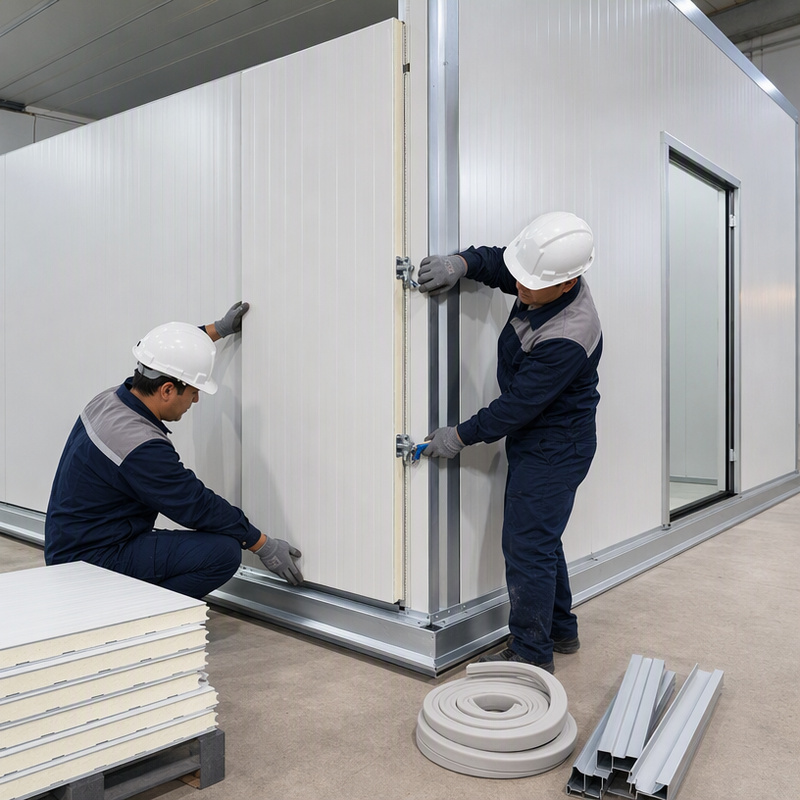
Installation Guidance for Cold Storage Construction Materials

Installation Guidance for Cold Storage Construction Materials

The installation of cold storage construction materials  requires precise  planning and  execution. Here are key  considerations:

Installation Environment: Assess the site conditions before  installation. Factors such  as temperature,  humidity, and access to equipment can impact the installation process. Ensure that the environment is conducive to  working with sensitive materials.

Skilled  Labor:  Employ  experienced installers familiar with cold storage systems. Proper installation techniques are vital for achieving the desired thermal performance and structural integrity.

Detailed Plans: Utilize detailed architectural and engineering plans to guide the installation. Ensure that all components are compatible and follow  the specified tolerances.

Quality Checks:  Conduct inspections during the installation process to verify that  materials meet quality standards. Look out  for any signs of damage or misalignment that could affect performance.

Final Testing: After installation, conduct tests to ensure that the cold storage facility meets temperature  and humidity requirements. This step is  essential for validating the effectiveness of insulation and sealing.

Following these guidelines  will facilitate a smooth installation  process, reducing the risk  of costly delays or rework.

Evaluating Cost Factors for Cold Storage Construction Projects

Evaluating Cost Factors for Cold Storage Construction Projects

Understanding the cost factors associated with  cold storage construction materials is critical for budget management. Key  aspects  to consider include:

Material Costs: The price of raw materials can vary significantly based  on quality, sourcing, and  market conditions. Evaluate different  suppliers to find the best balance between quality and cost.

Transportation and Logistics: Factor in transportation costs when sourcing materials from distant  suppliers. This includes shipping fees, potential tariffs, and delivery times, which can affect your overall budget.

Installation Costs: Labor  costs are a  significant portion  of the total project expense. Ensure that you account for skilled labor rates and  any additional  costs associated with  specialized  installation  services.

Long-Term Operational Costs:  While initial  costs are important, consider the long-term operational expenses associated with energy efficiency and maintenance. Investing in high-quality thermal  insulation can result in  significant energy savings  over time.

Contingency Planning: Set aside a contingency budget for unforeseen expenses during construction. Unanticipated issues, such as material shortages or site complications, can arise and may require additional funding.

By evaluating these cost factors, you can better manage your project budget and make informed purchasing decisions.

Applications of Cold Storage Construction Materials in Industry

Cold  storage construction materials are versatile and applicable across various industries. Key applications include:

Food and Beverage: Insulated structures  are  essential for the storage of perishable goods,  such as meat, dairy, and produce. Maintaining optimal temperatures prolongs shelf  life and ensures food safety.

Pharmaceuticals: Cold  storage facilities are crucial for storing  temperature-sensitive medications and vaccines. Compliance with regulatory requirements necessitates  strict adherence to  temperature control standards.


Chemical Storage: Certain chemicals  require specific temperature conditions  to maintain stability. Cold storage solutions can prevent degradation and ensure safe  handling.

Logistics and Distribution: Companies involved in  the distribution of temperature-sensitive products rely on cold storage solutions  to ensure product quality from warehouse to end-user. For example, employing a Prefabricated Light Steel Structure Industrial Workshop Building can enhance logistics efficiency.

Retail: Supermarkets and grocery  stores utilize cold  storage for perishable items, enhancing customer satisfaction and reducing waste.

Understanding the diverse applications  of cold storage construction materials allows  buyers to tailor their purchasing decisions based  on industry-specific needs and compliance requirements.

Key Specifications for Cold Storage Construction Materials

When selecting cold storage construction materials, understanding the specifications is crucial. Here are the key parameters to consider:

Thermal Insulation: The R-value indicates the material's thermal resistance. Higher R-values signify better insulation, which is vital for maintaining  internal  temperatures. For cold storage, aim for materials  with  R-values suitable for your local climate and storage requirements.

Material Composition: Common materials include insulated panels, steel structures, and composite materials. Each has distinct thermal properties, weight, and structural integrity. Steel structures, such as those manufactured by Shenyang Haibo Weiye Light Steel Color Plate Co., Ltd, provide excellent strength  and durability, while insulated  panels improve energy efficiency. Solutions like Prefabricated Steel Structure Warehouse Building are also effective in cold storage applications.

Dimensions and Tolerances: Accurate dimensions are essential for proper installation and operation. Ensure that the panels and  structural components meet specific tolerances for seamless integration.

Moisture Resistance: Cold storage environments often  experience condensation. Selecting materials with moisture-resistant  properties helps prevent mold and structural damage. Consider coatings or treatments  that  enhance moisture resistance.

Fire Ratings: In  many jurisdictions, fire safety regulations  dictate  the materials used  in cold  storage construction. Review fire  ratings to ensure compliance and safety.

Understanding these specifications allows you to assess whether the materials will  meet the operational demands of your cold  storage  facility.

Frequently Asked Questions

What cold storage construction materials do you supply?

We supply H section steel, box columns, beams, steel trusses, composite plates, color steel profiled plates and purlins tailored for cold storage projects.
Yes. We integrate design, production and sales to provide customized sections, sizes, coatings and composite panel specifications to meet project requirements.
We use advanced steel structure production lines, CNC and welding equipment with strict quality controls to ensure consistent dimensions and welding integrity.
Lead time varies by order size and customization but our large annual output and processing capacity enable competitive turnaround. Contact us with project details for accurate timing.
Yes. We offer technical support, design consultation and guidance on material selection, structural connections and panel installation to ensure proper cold storage performance.

Get a Free Quote

Our representative will contact you soon.
Email
Name
Company Name
Message
0/1000

Related product categories

Get a Free Quote

Our representative will contact you soon.
Email
Name
Company Name
Message
0/1000