Cold Room Construction: Key Considerations and Guidance

All Categories

cold room construction

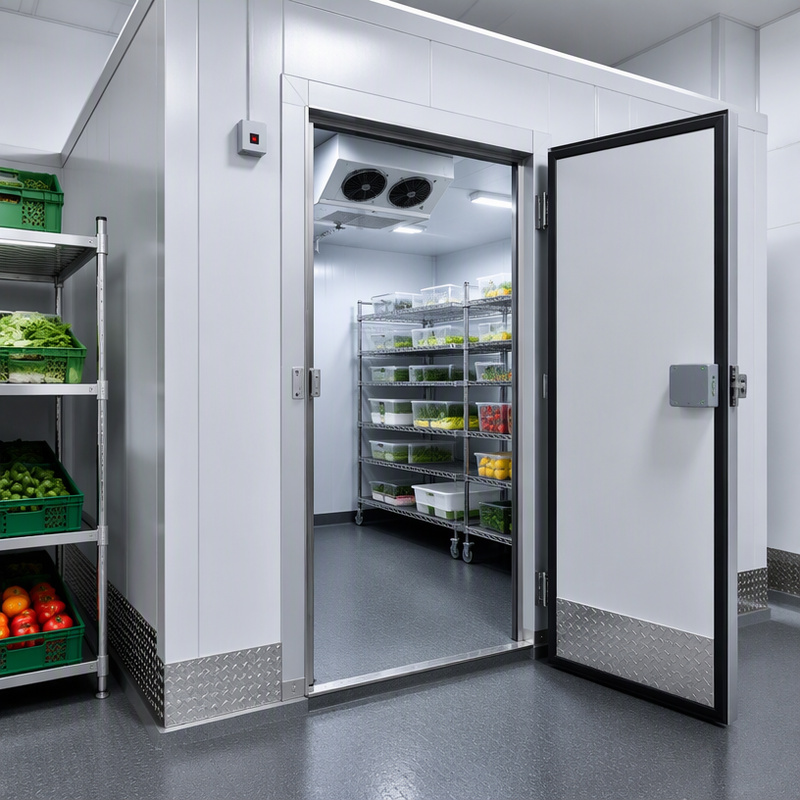
Cold room  construction  is a specialized area  in the manufacturing and industrial sectors,  focusing on creating  temperature-controlled  environments for various applications, including food storage, pharmaceuticals, and  sensitive materials.  When engaging in cold room construction, B2B buyers often face  challenges such as material selection, supplier reliability, installation efficiency, and  quality  assurance.  This article will  provide insights into these key areas,  helping  purchasing managers, engineers, and product  managers make informed decisions regarding  cold  room  construction projects.
 
How to Evaluate the Quality of Cold Room Construction Products

How to Evaluate the Quality of Cold Room Construction Products

Quality assurance  is vital in  cold room  construction, as it directly impacts the longevity and efficiency of the installation. When evaluating products, consider the following aspects:

Certifications:  Look for products that  have relevant certifications, indicating compliance with industry standards, such as ISO or local building codes. Certification ensures that  the  materials have been tested  for performance and safety.

Manufacturing Processes:  Understanding the manufacturer’s production capabilities, such as the use of CNC machinery and welding techniques, can provide insights into the  product's quality. Advanced manufacturing processes often lead to higher precision and better  finishes.

Material Specifications:  Review technical  data  sheets  that outline the specifications of insulation materials, steel dimensions, and performance  characteristics. Ensure that these specifications align with your project requirements.

Quality Control Processes: Inquire about the  manufacturer's quality  control measures. A reliable supplier  should have a robust inspection protocol in place during production and before shipment to guarantee that  the products meet the necessary standards.
Where to Source Reliable Suppliers for Cold Room Construction

Where to Source Reliable Suppliers for Cold Room Construction

Finding trustworthy  suppliers for cold room construction can significantly impact  project success. Here are some strategies to identify  reliable partners:

Industry Networks: Utilize industry connections and networks to get referrals for suppliers with a proven track record in cold room construction. Engaging with industry associations can also  provide insights  into reputable manufacturers.

Online Marketplaces: Platforms that specialize in B2B transactions  often  feature reviews and ratings of suppliers. Look for those  with positive feedback regarding  product  quality and customer service.

Trade  Shows:  Attend industry trade shows where manufacturers showcase  their products. This  provides an opportunity to meet suppliers face-to-face, evaluate their offerings,  and discuss specific project needs.

Supplier  Audits: Conducting supplier audits can be beneficial  to assess their capabilities, production processes, and quality control measures firsthand. This can help ensure that  they  align  with your project's standards.

Installation Guidance for Efficient Cold Room Construction Projects

Installation Guidance for Efficient Cold Room Construction Projects

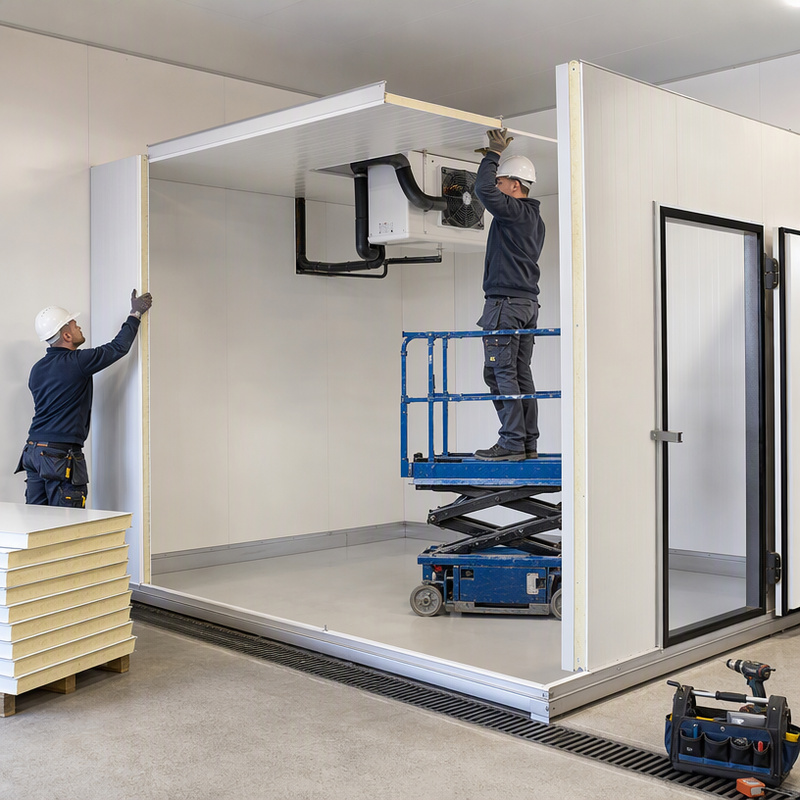
Proper installation is key to achieving the desired performance from a cold room.  Here are practical steps  for ensuring a smooth installation process:


Pre-Installation Planning: Before  installation, develop  a detailed plan that  includes the layout,  electrical requirements, and refrigeration  systems. This  should also  outline timelines and  responsibilities.

Site  Preparation: Ensure that the installation site is adequately prepared, including proper leveling and access for equipment. This minimizes complications during installation.


Professional Installation: It is advisable to engage experienced contractors who specialize in cold  room construction. Their expertise can  help address common issues that arise during installation, such as sealing gaps and ensuring structural integrity.

Testing Post-Installation:  After installation, conduct thorough testing of the cold room's systems, including  temperature  controls and insulation integrity. This helps identify any issues that  need to be resolved before the  room goes into operation.

Comparing Specifications for Different Cold Room Construction Options

When evaluating  various cold room construction options, comparing specifications can aid in making an informed decision. Key specifications to consider include:

Material Thickness:  The  thickness of insulation panels and steel structures can significantly affect thermal performance and durability. Thicker materials often provide better insulation but may increase costs.

Temperature Range: Different applications may  require  cold rooms to operate within specific temperature  ranges. Ensure that the chosen construction materials can maintain the necessary conditions without excessive energy consumption.


Load Capacity: Consider the load  capacity of the  cold room, especially if it will hold heavy items.  Ensure  that the structural elements, such as beams and columns, are designed to support these loads without risk of failure. Utilizing a Prefabricated Light Steel Structure can help ensure adequate load-bearing capacity.

Energy  Efficiency  Ratings: Look for energy efficiency ratings for insulation materials and refrigeration systems. Higher efficiency ratings can lead to significant cost savings in operational expenses over time.

By understanding  these critical factors,  B2B buyers can  make more informed decisions regarding cold room construction, ensuring that their investment meets the required performance and  operational efficiencies while  maintaining  compliance with  industry standards.

What to Consider When Choosing Cold Room Construction Materials

Selecting the right  materials for cold room construction is  crucial for ensuring  energy efficiency, durability, and compliance with safety regulations. The primary considerations include insulation properties,  structural integrity, and resistance to moisture and  temperature fluctuations.

Insulation: The insulation  material must possess a high R-value, which indicates its thermal resistance. Common options include polyurethane and polystyrene panels, known for their excellent insulation properties. The choice of insulation impacts energy consumption and operational costs  significantly.

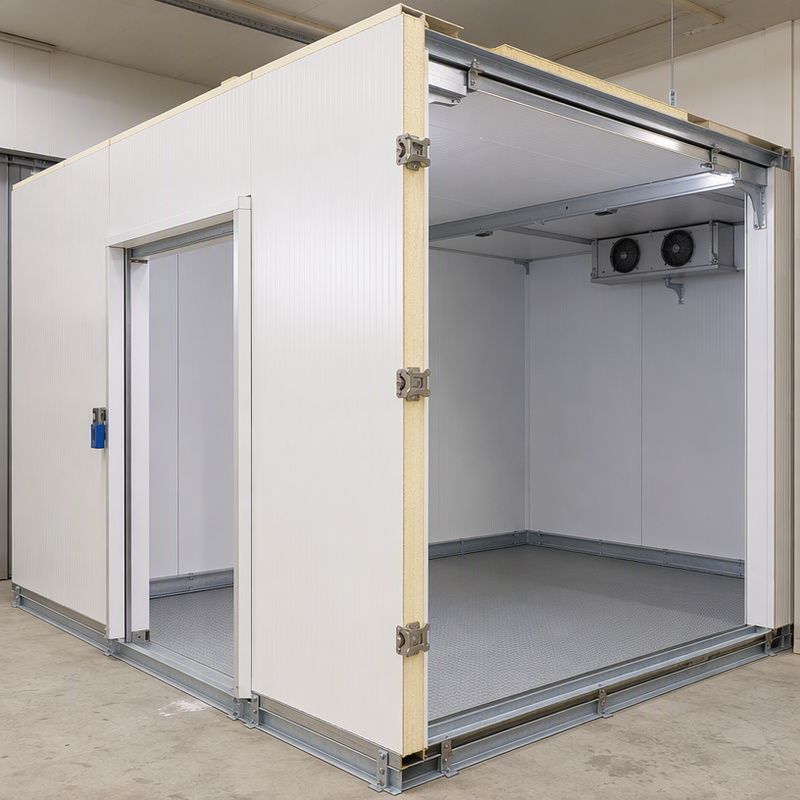
Steel Structure: Given the need for sturdiness, the cold room's frame  should typically be constructed from steel, such as H  section steel  or box columns, which are known for their strength and versatility. The thickness and coating of  the steel can affect its  resistance to corrosion  and longevity. For instance, using a Prefabricated Steel Structure Warehouse can enhance the durability of the cold room.


Moisture  Resistance: Materials need to be moisture-resistant to prevent mold growth and structural degradation. This includes selecting  the right surface treatments for steel and ensuring proper  sealing of joints.

Customization: Depending on the specific application, buyers should consider customization options, such as door designs,  sizes, and additional features like refrigeration  units. These factors  can affect both functionality and cost.

Frequently Asked Questions

What cold room construction services do you provide?

We offer full cold room construction: design, prefabricated steel structure manufacturing, insulation panel installation, door and accessory fitting, refrigeration integration, and on-site assembly for industrial and commercial projects.
We use H section steel, box columns, beams, steel trusses, composite and color steel profiled plates, purlins and high-performance insulating panels for durable, load-bearing and thermally efficient structures.
Yes. We provide bespoke designs and prefabricated components to accommodate varied sizes, load requirements and workflows, supported by CNC precision manufacturing and experienced engineering.
Lead time varies by size and complexity. For standard small to medium units, typical delivery and assembly ranges from several weeks to a few months; larger projects depend on detailed scope and production schedule.
Yes. We handle on-site assembly and installation and provide technical support, maintenance guidance and spare parts supply to ensure long-term performance and reliability.

Get a Free Quote

Our representative will contact you soon.
Email
Name
Company Name
Message
0/1000

Related product categories

Get a Free Quote

Our representative will contact you soon.
Email
Name
Company Name
Message
0/1000