
Key Specifications for Cold Room Construction Materials

All Categories

cold room construction materials

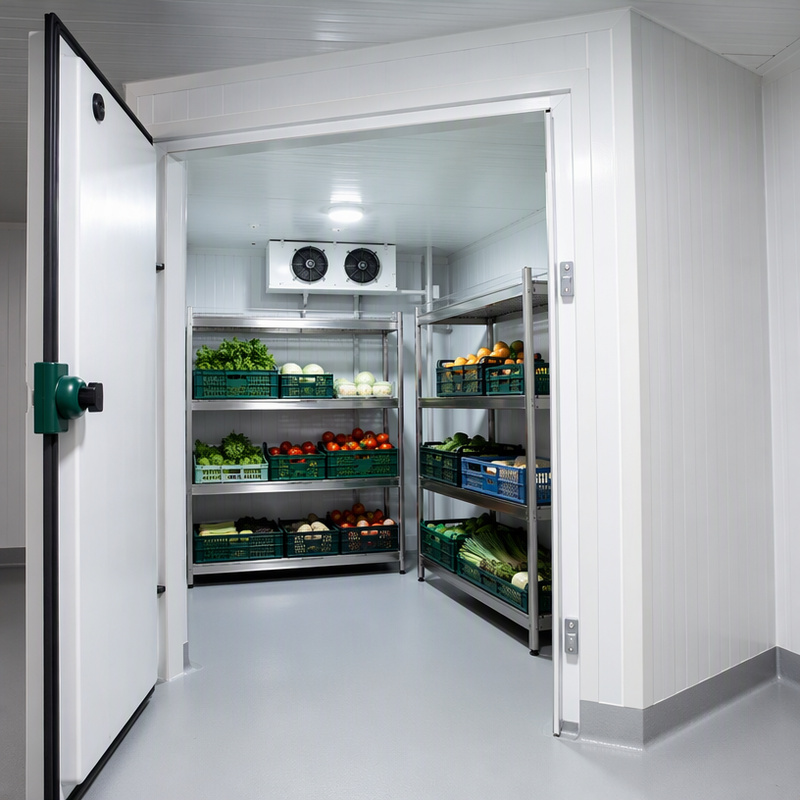
Cold room construction materials are  essential  for  creating controlled  environments used  in various  applications  such as food storage, pharmaceuticals, and industrial processes. For B2B  buyers, selecting  the right  materials is critical to ensure efficiency, compliance,  and durability in their cold  storage  facilities. This  article  will address key specifications,  supplier evaluation, cost factors, advantages and disadvantages, and common construction challenges, providing  a comprehensive  guide for purchasing managers  and decision-makers in  the industry.
How to Evaluate Supplier Reliability for Cold Room Projects

How to Evaluate Supplier Reliability for Cold Room Projects

Evaluating supplier reliability is crucial for successful cold  room construction. Here are essential factors to consider:

Manufacturing Capabilities: Verify that the supplier has advanced production lines capable of producing high-quality cold room materials. For instance, Shenyang Haibo Weiye Light Steel  Color Plate Co., Ltd boasts  advanced steel structure production lines and CNC  capabilities, ensuring precision  and  quality.

Experience and Expertise: Look  for suppliers with a proven track record in cold room projects. Consider their experience in dealing with specific applications  relevant to your needs, such as food storage or pharmaceuticals.

Quality Control Processes: Reliable suppliers should have established quality control measures  in place. Request information about their testing protocols and certifications to ensure adherence  to industry standards.

Customization Capabilities: Depending on your project  requirements, you may need customized solutions. Evaluate whether the supplier can tailor  materials to meet specific dimensions, insulation  values, or aesthetic requirements.

Customer Feedback: Research customer reviews and case studies to gain insight  into the supplier’s reliability and  responsiveness. A strong reputation in the industry can indicate  a  trustworthy partner.

By  focusing on these criteria, purchasing managers can make informed decisions, ultimately leading to successful cold room construction projects.
Cost Factors to Consider for Bulk Cold Room Material Orders

Cost Factors to Consider for Bulk Cold Room Material Orders

Cost is a critical consideration when ordering cold room materials in bulk. Key factors that influence pricing include:

Material Type and  Quality: High-quality materials typically come at  a  premium. Evaluate the  long-term benefits  of investing in quality products against short-term savings from  lower-cost options.

Order Quantity: Economies of scale often apply in bulk orders. Larger quantities can reduce the per-unit  cost, but buyers should balance  this against storage capacities and project timelines.

Customization Requirements: Customized materials may incur additional costs  due to specialized manufacturing processes. Clearly define your requirements to receive accurate quotes.

Shipping and Handling: Transportation costs  can significantly impact the  overall price. Consider the logistics  involved in shipping heavy materials and factor this into your budget.

Lead Times: Suppliers may offer different pricing based on lead times. Urgent orders may come  with higher costs, while planning ahead can lead to better pricing.

By  understanding these cost  factors, buyers can budget effectively and choose  suppliers that  offer the best  value  for their cold room  projects.

Pros and Cons

Pros and Cons

Every material choice for  cold room  construction comes with advantages and disadvantages. Here’s a breakdown:

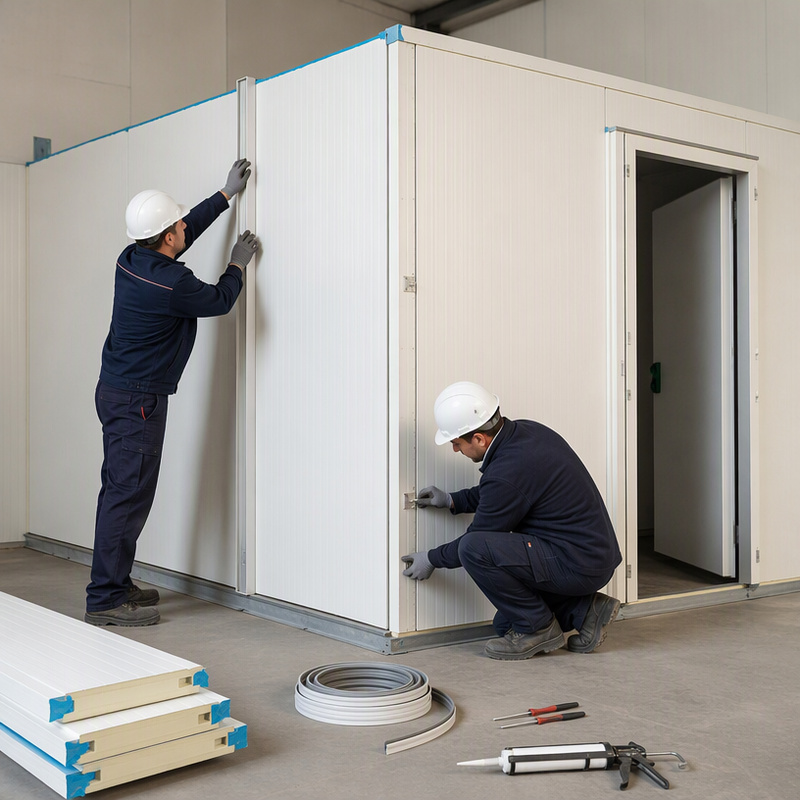
Pros Thermal Efficiency: High-quality  insulation materials  reduce energy costs and maintain  temperature  stability. Durability: Materials like color steel profiled  plates are resistant to corrosion  and physical damage, ensuring longevity. Customization: Many suppliers offer tailored solutions to meet specific project requirements,  enhancing operational efficiency.  Cons Initial Investment: Quality materials can  be more expensive upfront, which may challenge  budget constraints.  Complex Installation: Depending on the material and  design, installation can be complex, requiring skilled labor and  additional costs. Maintenance Needs: Some materials may require regular maintenance to  maintain performance, adding  to  long-term operational costs.

Understanding these pros and cons helps buyers make balanced  decisions that align with their project goals and budget.

Common Problems in Cold Room Construction and Their Solutions

Cold room construction can  present  unique  challenges. Here are common issues and suggested solutions:

Improper Insulation: Inadequate insulation can lead to temperature fluctuations and increased energy costs. To  address this, ensure that the insulation thickness and material are appropriate for the intended temperature  range.

Moisture Ingress: Moisture can compromise the integrity of the cold room. Implement high-quality sealing techniques and moisture barriers to prevent leaks and condensation.

Structural Failures: Poor load-bearing capacity can lead to structural issues  under heavy loads. When selecting materials, confirm their load specifications and consider the overall design to ensure stability. Additionally, consider using products such as the Galvanized Cross (X) Bracing System Steel Wind Bracing for added support.

Condensation Issues: Condensation  can occur  if the cold room  is not  properly ventilated. Incorporating ventilation solutions can mitigate this risk and maintain optimal performance.

Non-compliance with Regulations: Failure to meet industry standards can  result in costly delays. Ensure all materials and designs comply with local  regulations and  standards,  and consider consulting with experts in cold room construction.

By proactively addressing these common  problems,  buyers can ensure smoother project execution and long-term operational success.

This comprehensive approach  to understanding  cold room construction materials, supplier evaluation, cost factors, pros and cons, and potential issues equips B2B buyers with the  knowledge necessary to make informed decisions  in their procurement processes.

Key Specifications for High-Quality Cold Room Materials

When considering cold room construction materials, several specifications must be evaluated to ensure the effectiveness and  longevity of the facility. Key specifications include:

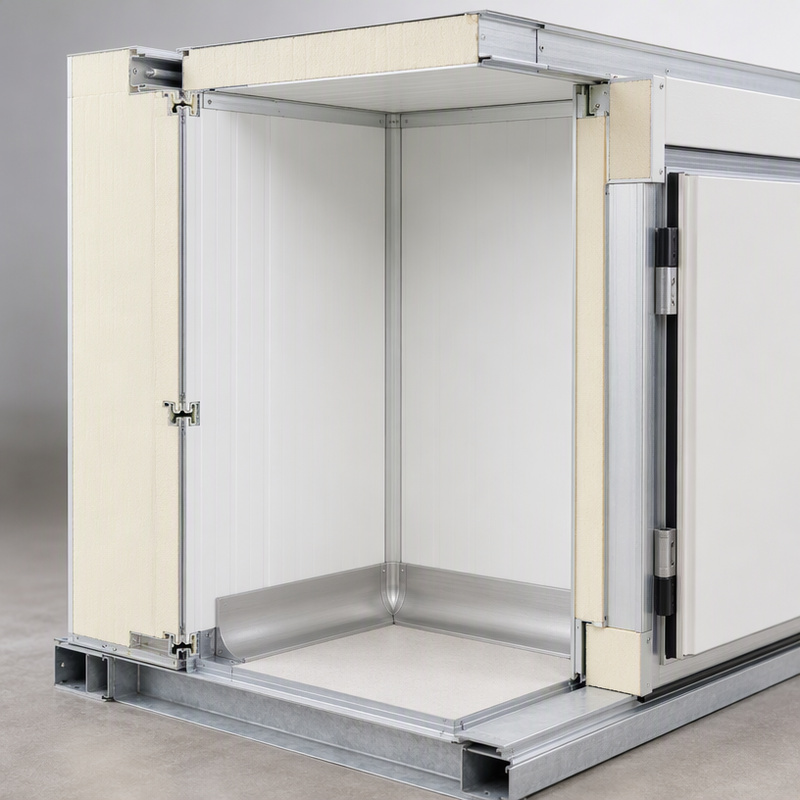
Insulation Thickness: The insulation layer significantly affects temperature retention. Thicker insulation provides better thermal performance but may also increase costs and space requirements. A common thickness range is 100–200 mm, depending on the desired temperature and  application.

Material Composition: Common materials include polyurethane and polystyrene for insulation due to their excellent thermal properties. The outer layer often consists of  color  steel profiled plates,  chosen for durability  and resistance to corrosion, which is vital in cold storage environments. For instance, the Wall Cladding Profiled Sheet Color-coated Steel Exterior Wall Panel is a popular choice.

Load-Bearing  Capacity: Materials must support the weight of the stored goods and any additional equipment. Specifications should include  the maximum load that the panels can bear, which is particularly relevant for heavy items like pallets of frozen goods.

Sealing and Joints: Proper sealing  is critical to maintain the internal temperature and prevent moisture ingress.  The quality of seals and joints affects  both energy efficiency and the longevity of the cold room.

Fire Resistance: Depending on the application, fire  ratings may be  required. Materials must  comply with local regulations to mitigate  fire risks.

Understanding these specifications helps buyers  assess  the suitability of  construction materials for their  specific cold room applications, ensuring compliance and operational efficiency.

Frequently Asked Questions

What cold room materials do you supply?

We supply H section steel, box columns, beams, steel trusses, composite panels, color steel profiled plates and purlins suitable for cold room construction.
Yes. We have advanced production lines and large annual output to meet diverse and large-scale cold room engineering needs.
Yes. With CNC and welding equipment we offer customized dimensions, profiles and composite panel specifications to match project requirements.
Our composite plates and color steel profiled panels are designed to provide thermal insulation when integrated with appropriate insulating cores and proper installation.
We provide design integration, production scheduling and consultation on material selection; we can coordinate delivery and offer technical guidance for installation.

Get a Free Quote

Our representative will contact you soon.
Email
Name
Company Name
Message
0/1000

Related product categories

Get a Free Quote

Our representative will contact you soon.
Email
Name
Company Name
Message
0/1000