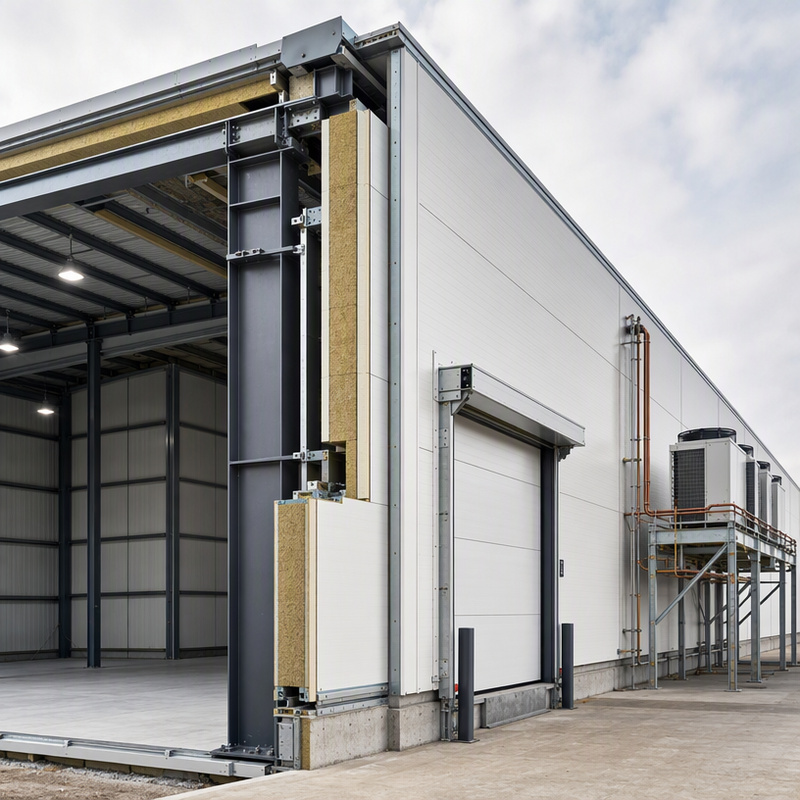
Key Specifications for Building a Cold Storage Warehouse

All Categories

building a cold storage warehouse

Building a cold  storage  warehouse  involves careful planning and consideration  of various specifications,  materials,  and supplier capabilities. For B2B  buyers, especially purchasing  managers and engineers, understanding these factors  is crucial for  ensuring the  facility meets  operational  needs while  maintaining efficiency. This article  outlines  essential aspects of  building  a cold storage warehouse,  addressing buyer concerns and providing guidance  on effective purchasing decisions.
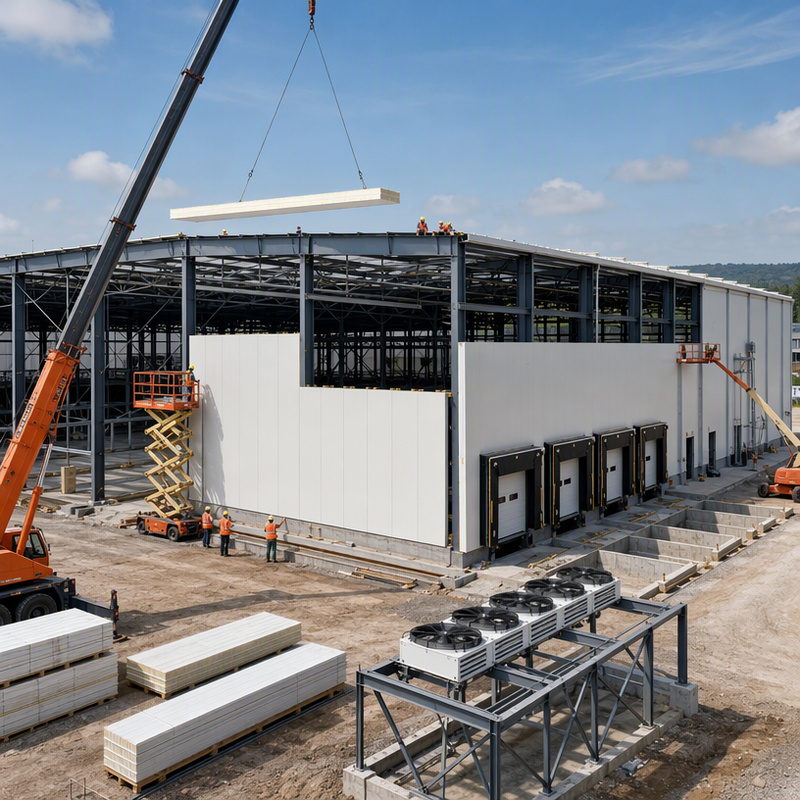
Where to Find Reliable Suppliers for Cold Storage Warehouse Projects

Where to Find Reliable Suppliers for Cold Storage Warehouse Projects

Finding reputable suppliers for cold  storage warehouse projects  is crucial.  Key avenues include:

Industry  Associations: Organizations like the International Association of Refrigerated Warehouses (IARW) provide directories of  certified suppliers specializing in cold storage solutions.

Trade Shows and Expos: Attending industry-specific trade shows can  provide direct access to  manufacturers  and suppliers who specialize in cold storage facilities. These events often showcase the  latest technologies and solutions.

Online Marketplaces:  Platforms like ThomasNet or Alibaba can connect buyers with suppliers across the globe. Look for manufacturers that have a proven track record in cold storage  projects.

Referrals and Reviews: Seeking recommendations from industry peers or reading supplier reviews can help identify reliable partners.  Testimonials and case  studies can provide insights into the supplier’s capabilities  and reliability.

Direct  Manufacturer Contact: Companies like Shenyang Haibo Weiye Light Steel Color Plate Co., Ltd. specialize in cold storage warehouse components,  including structural steel elements essential for  building cold storage facilities like Steel Structure Buildings.

Evaluating suppliers based on their experience, product  quality, and customer  service can  significantly impact project success.

Bulk Order Options for High-Quality Cold Storage Warehouse Components

Bulk Order Options for High-Quality Cold Storage Warehouse Components

When  building a cold  storage warehouse, bulk ordering components can lead to  cost  savings  and  efficiency. Manufacturers typically  offer several options:

Minimum Order Quantities (MOQ):  Understand the MOQ for each component, as this can affect pricing. Suppliers may  offer lower rates for  larger orders, making it more economical to  purchase upfront.

Customization: Many suppliers, including  Shenyang Haibo Weiye, can customize products to meet specific project requirements. This includes tailored dimensions, material specifications, and surface finishes that enhance  durability and performance.

Volume Discounts: Requesting quotes for bulk orders can reveal potential discounts. Manufacturers often have tiered pricing structures that incentivize larger purchases.

Lead Time Considerations: When ordering in bulk, factor in lead times for production and shipping.  Ensure that suppliers can meet your project timeline  to avoid delays in construction.

Quality Assurance: In bulk  orders, it’s critical to establish quality control measures. Request samples or prototypes to verify that the products meet your specifications before full-scale  production begins.

By leveraging bulk ordering strategies, buyers can optimize  their procurement process, ensuring high-quality components while managing costs effectively.

Installation Guidance for Efficient Cold Storage Warehouse Setup

Installation Guidance for Efficient Cold Storage Warehouse Setup

Proper installation of a cold storage warehouse is vital for operational efficiency.  Here  are some essential considerations:

Professional Installation Services: Engaging experienced contractors who specialize in cold storage construction can ensure that the installation adheres to  industry standards. They  will be  familiar with best  practices for insulation and refrigeration system setup.

Site Preparation: Before installation begins, the site  must be  adequately prepared. This  includes leveling the ground, ensuring proper drainage, and verifying that the foundation can support the warehouse structure.

Component Placement:  During installation, careful attention should be paid to  the placement of refrigeration units, shelving,  and  loading docks. This arrangement impacts workflow and energy  efficiency.

Testing and  Commissioning: After  installation, conduct thorough testing of refrigeration systems  and  insulation integrity. Monitoring temperature and humidity levels ensures that the warehouse operates within required specifications.

Training for Staff: Providing training for  personnel on operating the cold storage  systems and emergency protocols is essential for maintaining safety and efficiency.

By following these installation guidelines, businesses can maximize the performance and longevity of their cold storage warehouses.

How Cold Storage Warehouses Enhance Supply Chain Efficiency and Trust

Cold storage warehouses play a  crucial role  in enhancing supply chain efficiency, which  in turn builds trust with customers and partners. Here are some key  points to consider:

Product Quality Preservation: By maintaining optimal temperature and humidity levels, cold storage warehouses help preserve the quality of perishable goods, reducing spoilage and waste. This reliability is crucial for businesses dealing  with sensitive products.

Inventory Management: Proper cold storage solutions enable better inventory management practices, allowing for real-time tracking of stock levels. This capability  supports timely reordering and minimizes the  risk of stockouts.

Streamlined Logistics: With strategically located cold storage warehouses,  businesses can optimize their logistics operations, reducing transportation times and costs. This efficiency translates into quicker delivery times, enhancing customer satisfaction.

Regulatory Compliance: A well-designed cold  storage facility ensures compliance with health regulations, which is especially important for food and pharmaceutical industries. This compliance  not only protects consumers but also builds trust in the brand.

Scalability: As  businesses grow, cold storage warehouses can  be  expanded or  modified to  accommodate increasing demand. This flexibility is vital for adapting to market changes without compromising service quality.

Investing in a  functional cold storage warehouse can significantly improve a company's supply chain, creating a competitive advantage and fostering long-term customer relationships.

By addressing these various  aspects of  building a  cold storage warehouse, industry professionals can make informed decisions that enhance operational efficiency and product integrity.

Key Specifications for Building Your Cold Storage Warehouse Effectively

When considering the construction  of a cold storage warehouse, several key specifications  must be evaluated:

Insulation: The insulation material and thickness are critical for maintaining temperature. Common materials include polyurethane and polystyrene,  which provide effective thermal resistance. Insulation should be selected based on the  temperature requirements of the stored  products.

Structural Integrity: The warehouse structure must support the weight of stored goods and  withstand environmental factors. H section steel  and box columns are often used for their strength and durability. Consideration of  load factors in design is essential to avoid structural  failures.

Refrigeration Systems: Selecting  the right refrigeration system is vital. Options include vapor compression or liquid nitrogen systems, depending on the required temperature range and energy efficiency. The choice affects operating costs and overall performance.

Dimensions and Layout: The layout should  optimize space for both storage  and operational efficiency. Factors  such as aisle width and rack height should be designed  to facilitate easy access and efficient inventory management.

Compliance and Certifications: Ensure that the warehouse meets  industry standards and regulatory requirements, including health and safety regulations related to food storage, if applicable.

Each of these  specifications plays a vital role in the warehouse's effectiveness and operational costs. Buyers should consult with manufacturers  to evaluate  which combinations best  suit their specific needs, including options like Steel Structure Components for enhanced durability.

Frequently Asked Questions

What services are included in building a cold storage warehouse?

We provide design, steel structure production, CNC cutting, welding, and supply of H sections, beams, trusses, composite and color steel plates to complete cold storage construction.
We supply H section steel, box columns, beams, steel trusses, composite plates, color profiled plates and purlins suitable for cold storage projects.
Yes. We integrate design and production to deliver customized steel structures and panels tailored to specific cold storage dimensions and load requirements.
As a major Northeast China processor with advanced production lines, we offer large annual output and consistent quality for diverse cold storage projects.
We provide technical guidance and fabrication-ready components. Installation support can be coordinated through our engineering team to ensure proper assembly and fit-up.

Get a Free Quote

Our representative will contact you soon.
Email
Name
Company Name
Message
0/1000

Related product categories

Get a Free Quote

Our representative will contact you soon.
Email
Name
Company Name
Message
0/1000