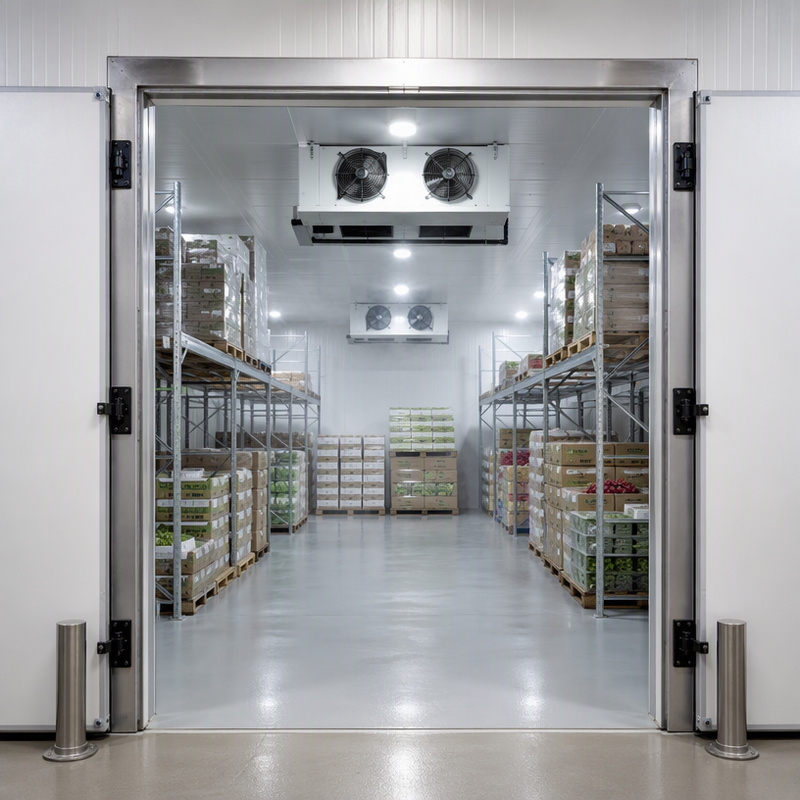
Cold Storage Design and Construction Solutions

All Categories

cold storage design and construction

Cold storage design and  construction is a  critical aspect of many industries, ensuring  that  temperature-sensitive products such as food, pharmaceuticals, and chemicals  are  stored under  optimal conditions. For B2B buyers,  key  concerns often  include material selection, construction  specifications, cost factors,  and installation processes. This article  will explore  these  crucial elements  to help purchasing  managers, engineers, and product managers make informed  decisions about  cold storage solutions.
 
Key Specifications for Cold Storage Design and Implementation

Key Specifications for Cold Storage Design and Implementation

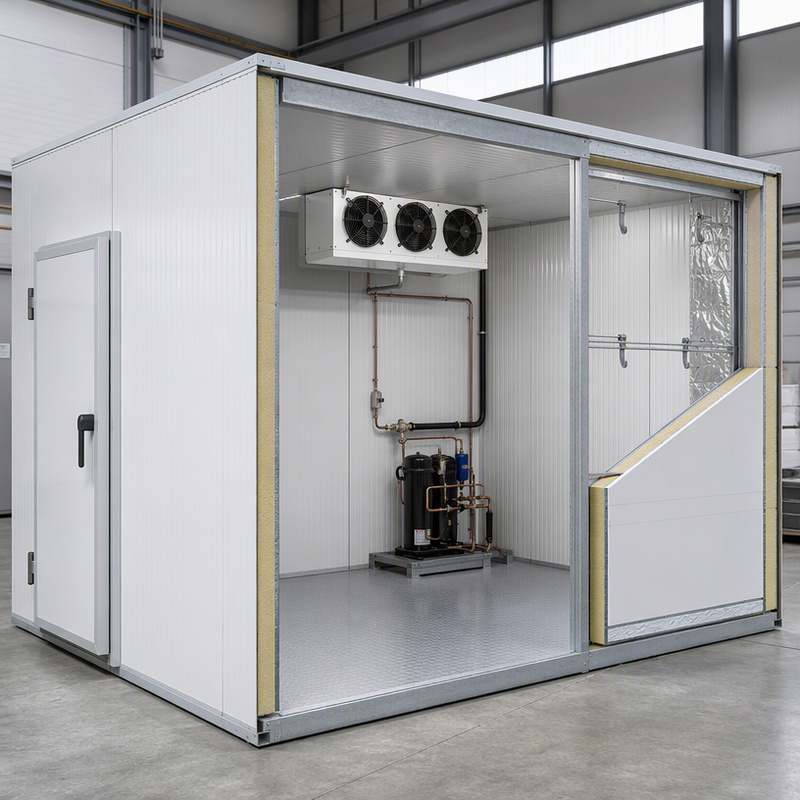
Cold storage  design  involves several  key specifications that impact the operational efficiency and effectiveness of  the facility. Important factors include insulation thickness, ceiling height, and door specifications.

Insulation Thickness: The  thickness of insulation panels should correspond  to the temperature requirements of the stored products. For example, storing frozen goods may require thicker insulation compared to refrigerated items.

Ceiling Height: Adequate ceiling height  is necessary to facilitate air circulation and maximize storage capacity.  A taller ceiling allows for better airflow,  which  is crucial in maintaining uniform temperatures throughout the  facility.

Door Specifications: The choice  of doors can significantly  affect energy efficiency. Rapid-action doors or insulated roll-up  doors minimize temperature loss when in use, ensuring that the internal  environment remains stable.

Understanding  these  specifications allows buyers to tailor their  cold storage solutions to  meet specific product requirements while adhering to industry  standards.
Comparing Cost Factors in Cold Storage Design and Construction

Comparing Cost Factors in Cold Storage Design and Construction

When evaluating  cold storage design and construction,  it is essential to analyze  various cost factors that can influence  the overall investment. Key considerations include material costs, labor costs, energy efficiency, and maintenance requirements.

Material Costs: The choice  of  materials directly impacts upfront costs. High-quality insulation and durable steel  structures may require a higher initial investment but can lead to long-term savings through  reduced energy consumption and maintenance. Warehouses & Logistics Centers often utilize such materials for optimized performance.


Labor Costs: Skilled labor is often needed for proper installation, particularly for complex cold storage systems. Investing in  experienced contractors can help ensure  that the facility is built to specifications, ultimately reducing the likelihood of costly modifications or repairs.

Energy Efficiency: Energy-efficient designs can significantly lower operational costs. Buyers  should assess the long-term energy costs associated with different insulation materials and building designs. For instance, while  a higher  initial investment in superior insulation may seem daunting, it often results  in considerable energy savings over time.

Maintenance Requirements: The materials  and design chosen will affect ongoing maintenance costs.  Facilities that are easier to maintain and less prone to damage  will incur lower costs in the long run.

By understanding these cost factors,  B2B buyers can make  informed decisions that balance initial investment with long-term savings.

Expert Installation Guidance for Your Cold Storage Facility

Expert Installation Guidance for Your Cold Storage Facility

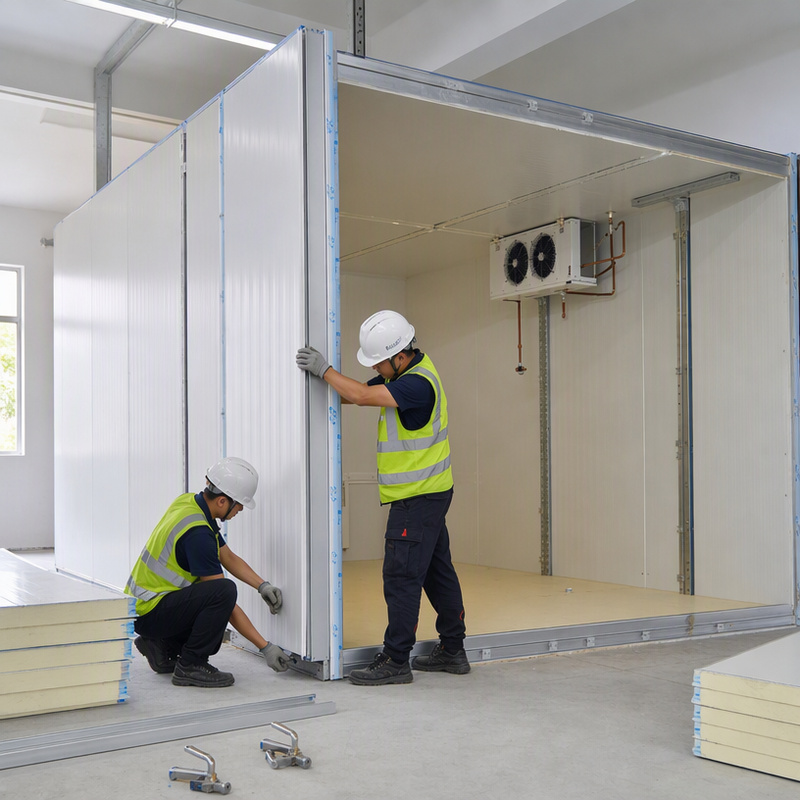
Proper installation of cold storage facilities is  crucial for  ensuring efficiency and compliance with operational standards. Here are key considerations for successful installation:

Site Preparation: Before  installation, the site  should be prepared  to meet  structural requirements, ensuring a solid foundation and appropriate drainage systems to prevent water accumulation.

Insulation  Installation:  Insulation panels should be installed with precision to avoid gaps that could lead to thermal bridging. Ensure that all seams are sealed adequately to prevent air leaks.

Temperature  Control Systems: The installation of  temperature control systems, including refrigeration units, should be carefully planned.  Ensure that  equipment is compatible with  the facility's design and that it is positioned for optimal airflow.

Testing: After installation, it is essential to  conduct thorough  testing of the entire system. This includes checking for temperature consistency, insulation integrity, and door functionality. Any  issues should be  rectified before the  facility becomes operational.

Expert installation not only ensures compliance with standards but also helps  prevent  future issues that could disrupt operations or compromise product integrity.

Bulk Order Considerations for Cold Storage Construction Materials

When planning a cold storage construction project, bulk ordering materials can  lead to significant cost savings and efficiency improvements. Here are critical  considerations for bulk orders:

Minimum Order Quantities (MOQ): Understanding the MOQ for different materials is  essential. Suppliers often have specific thresholds for bulk orders,  and meeting  these can lead  to better  pricing  and availability.

Customization Capabilities: When ordering in bulk, consider whether  the supplier can accommodate customization requests. Tailored solutions, such as specific dimensions or material specifications, can enhance the effectiveness of your cold storage design.

Lead Times: Bulk orders may have different lead times  compared to smaller orders. Discuss  production schedules with suppliers  to ensure that materials arrive  on time to avoid delays in construction.

Quality Assurance:  Ensure that the supplier has robust quality control processes in place. When ordering in bulk, it  is crucial to maintain consistent quality across all materials  to avoid potential operational issues.

By addressing these considerations,  B2B buyers can optimize their  procurement strategy, ensuring a smooth and efficient construction process for their  cold storage  facilities.

How to Choose Quality Materials for Cold Storage Construction

Selecting the right materials for cold storage  construction is vital to ensure the facility maintains the required temperatures effectively. The primary materials  used in cold storage include insulated panels,  steel structures,  and flooring options. Insulated panels, often made from  polyurethane or polystyrene, provide  excellent thermal resistance and contribute to energy  efficiency. Additionally, using quality materials such as Steel Structure Buildings can enhance the overall durability of the facility.


When sourcing materials, consider factors such as thermal conductivity, moisture resistance, and structural strength. For example, the thermal conductivity of the insulation material directly affects energy consumption;  lower thermal conductivity  means  better insulation and reduced energy costs. Additionally, moisture resistance  is crucial to prevent mold growth and degradation of stored products.

Steel structures,  such as H section steel and box columns, should be  evaluated for load-bearing capacity and corrosion resistance. It’s advisable to choose  galvanized steel or  coated finishes to enhance durability in humid environments.  These considerations are critical for  ensuring a long-lasting  and efficient cold  storage facility.

Frequently Asked Questions

What cold storage design services do you offer?

We provide tailored cold storage design including layout planning, insulation systems, refrigeration selection, structural steel framing, and integrated workflow for food, pharmaceutical, and industrial use.
Yes. We manage full construction from steel structure fabrication to assembly, roofing, insulation, and installation of refrigeration and doors, ensuring on-time delivery.
We supply H section steel, box columns, beams, steel trusses, composite panels, color profiled plates and purlins customized for cold storage structures.
Yes. We design and build cold storage for varying capacities and temperature ranges, optimizing insulation, structural strength, and refrigeration to meet specific operational needs.
Quality is ensured via advanced production lines, CNC and welding equipment, strict material selection, factory fabrication, and on-site supervision to meet engineering standards and long-term performance.

Get a Free Quote

Our representative will contact you soon.
Email
Name
Company Name
Message
0/1000

Related product categories

Get a Free Quote

Our representative will contact you soon.
Email
Name
Company Name
Message
0/1000