EN
Cold storage structure design is a critical consideration for businesses that require reliable temperature-controlled environments for perishable goods. Choosing the right design not only ensures product quality but also affects operational efficiency and compliance with industry standards. Buyers often face concerns regarding material selection, structural integrity, and cost-effectiveness. This article will guide you through the key aspects of cold storage structure design, helping you make informed decisions that align with your specific needs.

Key Specifications for High-Quality Cold Storage Structures
When evaluating cold storage structures, certain specifications are paramount for ensuring effectiveness and compliance:
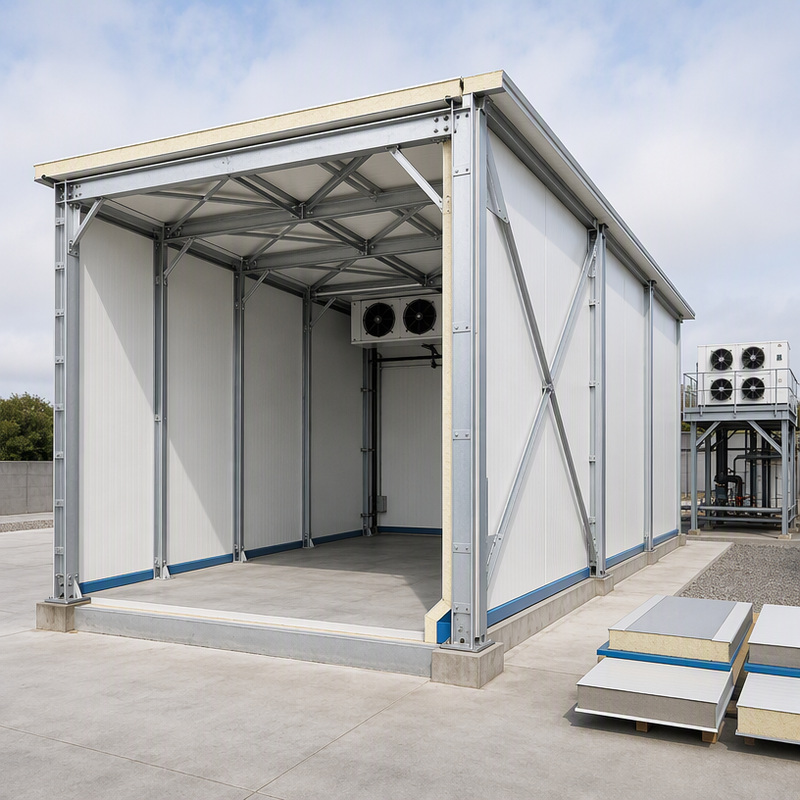
Insulation Thickness: The thickness of the insulation directly affects the energy efficiency of the cold storage. A thicker insulation layer typically results in lower energy consumption and better temperature control.
Material Quality: The materials used should be resistant to moisture and corrosion. For instance, color steel profiled plates are often chosen for their durability and insulation capabilities, making them ideal for cold storage applications. Using high-quality Steel Structure Components can also enhance the longevity of your cold storage facility.
Structural Load Capacity: Depending on the intended use, the structure must support various loads, including pallet racks and equipment. Understanding the load requirements ensures the design can withstand operational demands.
Temperature Range: Clearly define the temperature requirements based on your storage needs. Structures designed for deep freezing will have different specifications compared to those intended for refrigeration.
By confirming these specifications with potential suppliers, you can ensure the structure will meet your operational standards.