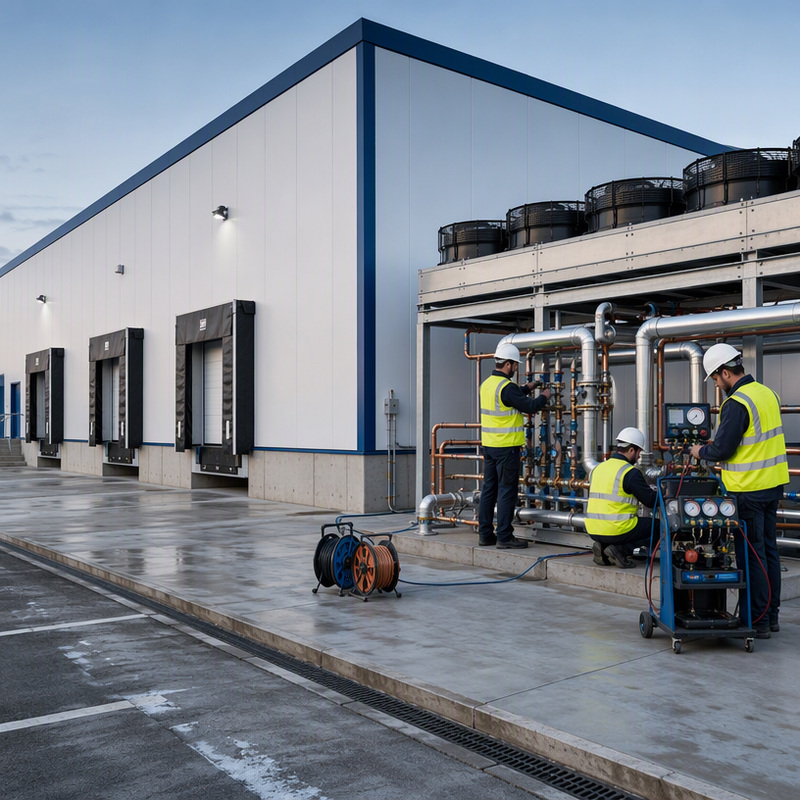
Cold Storage Warehouse Builders: Key Considerations

All Categories

cold storage warehouse builders

Cold storage warehouses are essential structures designed to maintain  specific temperature conditions for perishable  goods, ensuring  their  integrity and longevity during storage. When searching for  cold  storage  warehouse builders, B2B  buyers often face  concerns regarding  quality, specifications,  and reliability. This article  aims to guide  you through essential considerations when choosing  cold storage warehouse builders,  focusing  on specifications, purchasing  tips,  evaluation factors, cost considerations, and quality  control  measures.
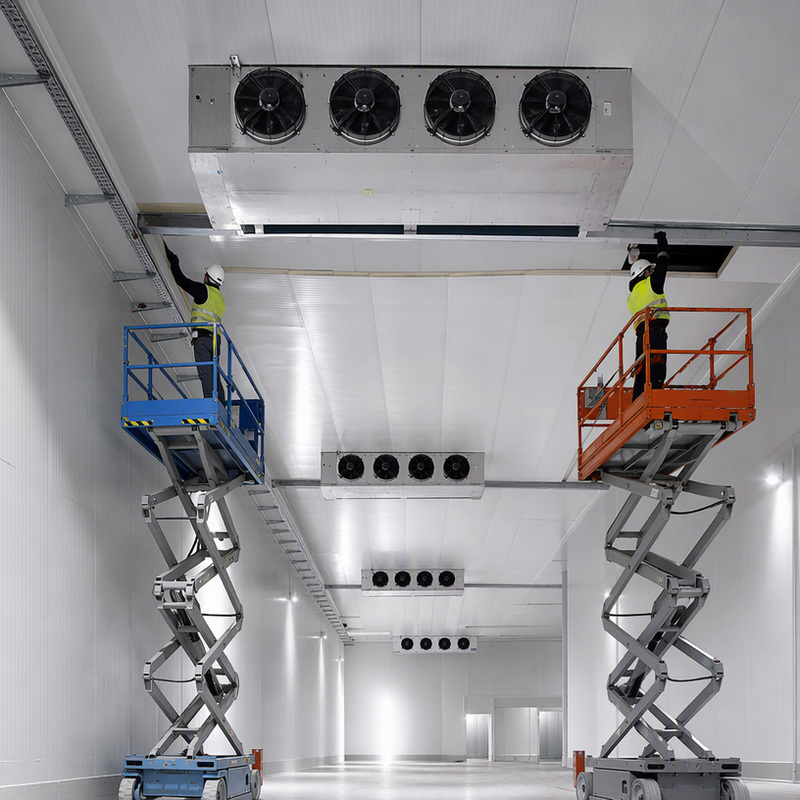
Wholesale Purchasing Tips for Reliable Cold Storage Warehouse Suppliers

Wholesale Purchasing Tips for Reliable Cold Storage Warehouse Suppliers

Navigating the procurement process for cold storage warehouses requires careful consideration to ensure you partner with reliable suppliers. Start by researching potential  suppliers’ experience in the industry. Look  for builders with a proven  track record in constructing  cold storage facilities, as their expertise will be crucial  in avoiding common pitfalls such as inadequate insulation or  poor  layout design.

Request detailed  quotations that outline not only  the price but also the  specifications of  materials and  construction methods. This transparency will help you compare options effectively. Additionally, ask for  references or  case studies showcasing their previous work in cold storage construction to  gauge their capabilities and  reliability.

Engaging in direct communication  with suppliers is  essential. Discuss your specific needs and expectations, and  evaluate their responsiveness and willingness to customize solutions. A supplier that demonstrates flexibility and an understanding of  your requirements is often more reliable.
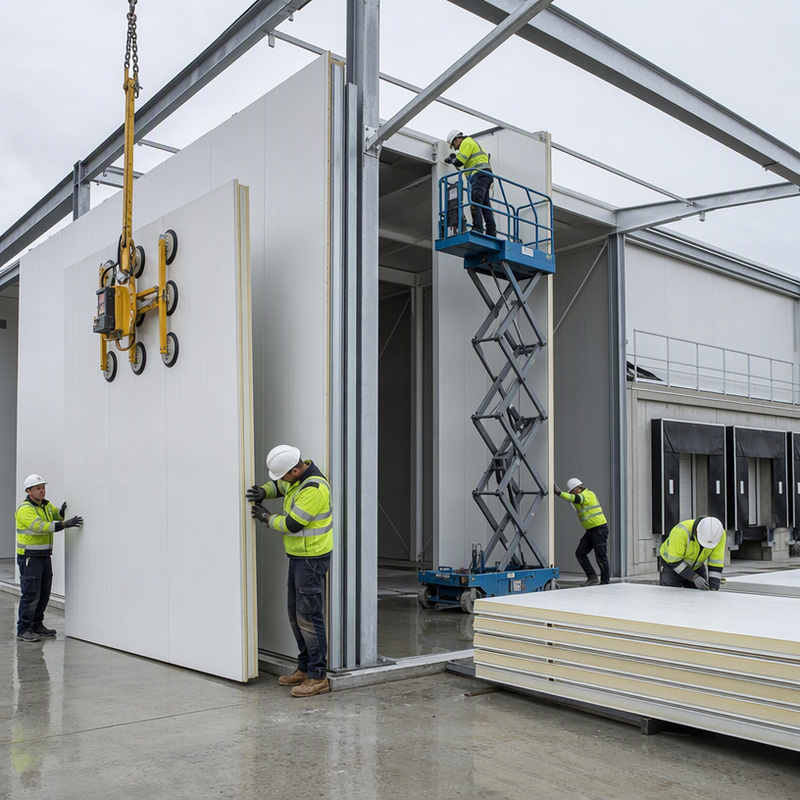
Key Factors to Evaluate

Key Factors to Evaluate

When evaluating  potential cold storage  warehouse builders, consider several factors  that influence the overall quality  and suitability of the construction. First, assess the manufacturing capabilities of the builder. A  facility equipped with advanced production lines  and CNC technology can provide more precise and higher-quality construction components, which  will  enhance  the overall durability of the warehouse.

Certifications are  another critical  factor. Ensure  that the builder complies with relevant industry  standards, which may include ISO certifications or other local regulatory requirements. These certifications are indicators  of a manufacturer’s commitment  to quality and adherence to best practices.

Quality control measures during construction should  also be scrutinized. Understand the inspection  processes  in place to ensure that all components meet the required specifications before assembly. This could  involve material  testing and on-site inspections to verify that the construction aligns with the agreed-upon standards.

Understanding the Cost Factors in Cold Storage Warehouse Construction

Understanding the Cost Factors in Cold Storage Warehouse Construction

Cost is often  a primary concern  when planning a cold  storage warehouse project. Several factors contribute  to the overall  pricing, and understanding  these can help  in budgeting effectively. First, the choice of materials significantly impacts costs. High-quality  insulation materials and  durable steel structures may have a higher upfront cost but  can lead to  long-term savings through energy efficiency.

Labor costs should also be factored in.  Skilled labor is essential for the successful construction of a  cold storage facility, particularly for complex designs that require precision. Therefore, investing in experienced  builders may result in lower maintenance costs and fewer operational issues in the future.

Additionally,  the location of  the construction site  can affect overall expenses. Consider transportation costs for materials and the potential  need for additional site preparation, which can vary depending on  the geographical  area.

Quality Control Measures for Cold Storage Warehouse Manufacturing

Quality control is vital in the  manufacturing of  cold storage warehouses to ensure that the final product meets  all specifications and  performance requirements. Start with  a thorough examination of the production processes employed by the builder. A reputable  manufacturer  will utilize advanced machinery and technology to maintain precision and consistency throughout construction.


Inspection protocols should be established at various stages of production. This includes sourcing raw materials, in-process inspections, and final quality assessments before delivery. For instance,  Shenyang Haibo Weiye Light Steel Color Plate  Co., Ltd. emphasizes rigorous quality control processes to ensure each  component meets industry standards.

Finally, it’s  essential to establish  a clear communication channel with the builder regarding quality expectations. Regular updates and inspections during the construction phase  can help identify any issues early on, preventing costly alterations or delays later in the project.


By understanding these aspects  of cold storage warehouse construction, buyers can make informed decisions that align  with their operational needs and budgetary constraints, ensuring the successful  procurement  of a facility that meets their requirements.

Top Specifications to Consider When Sourcing Cold Storage Warehouses

When sourcing cold  storage warehouses, several key specifications should be prioritized to ensure optimal performance. First, temperature control capabilities are  paramount. Depending on the products stored, the required temperature range can vary  significantly—typically  between -20°C to 4°C  for food products. Buyers  should verify the insulation materials used, such as polyurethane  or polystyrene, as these directly affect energy efficiency and thermal performance.

Another critical specification is  the structural material. Steel structures are often preferred due to their durability and strength, especially when considering heavy loads and the need for long  span designs. Look for builders that  utilize high-quality  steel, such as H section steel  or composite plates, as offered by manufacturers like Shenyang Haibo Weiye Light Steel Color Plate Co., Ltd. Additionally, the design of the warehouse should accommodate efficient airflow  to prevent hotspots, which can compromise  stored goods.

Lastly, consider  the layout and size  of the warehouse. The design must be  adaptable to your specific storage needs, including the number of loading docks, shelving systems, and  the ability to incorporate automation  systems for  inventory management. For instance, the integration of Cold Storage Sandwich Panels can enhance temperature control and energy efficiency.

Frequently Asked Questions

What cold storage construction services do you offer?

We design and build cold storage warehouses using steel H-sections, box columns, beams, trusses, composite and color steel panels, and purlins, covering structure, cladding, and on-site assembly for diverse engineering needs.
Yes. As a major Northeast China processor with advanced production lines and high annual output, we support large-scale industrial and commercial cold storage construction.
Yes. We integrate design, production and sales to deliver tailored structural solutions, adapting H-sections, trusses and panel systems to project specifications and load requirements.
We use H section steel, box columns, beams, steel trusses, composite plates and color steel profiled plates, produced with CNC and welding equipment and inspected to meet engineering standards.
We offer on-site assembly support, technical guidance during construction, and post-installation assistance for structural issues, leveraging our integrated production and sales capabilities.

Get a Free Quote

Our representative will contact you soon.
Email
Name
Company Name
Message
0/1000

Related product categories

Get a Free Quote

Our representative will contact you soon.
Email
Name
Company Name
Message
0/1000