
Key Considerations for Structure Fabrication Suppliers

All Categories

structure fabrication

Structure  fabrication refers to  the process of designing, producing, and assembling steel  structures such as beams, columns, and trusses  for various  applications. For B2B buyers,  particularly  purchasing  managers  and engineers,  key concerns  include  product quality, manufacturing  capabilities, and  compliance with project specifications. This article outlines essential considerations for selecting  structure fabrication suppliers, cost factors for bulk  orders,  installation guidance, and  the diverse applications  of structure fabrication materials.
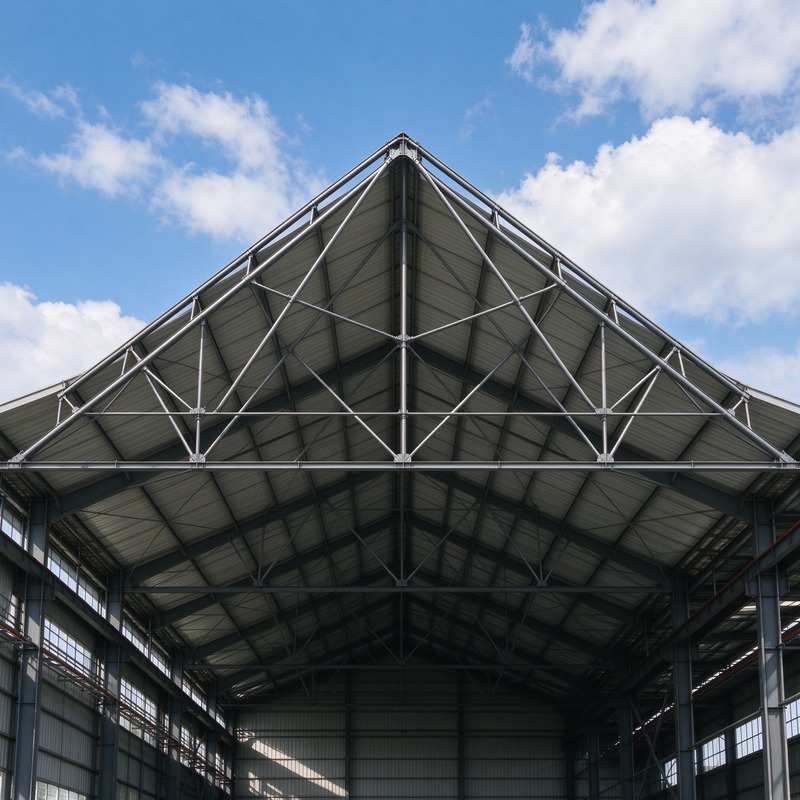
 
Comparing Cost Factors in Structure Fabrication for Bulk Orders

Comparing Cost Factors in Structure Fabrication for Bulk Orders

When it comes to  structure fabrication, cost efficiency is often a top priority.  Several factors influence pricing, including material selection, order quantity, and manufacturing processes. Bulk orders  usually result in lower  per-unit costs; however, the initial investment may  be higher if custom designs or  materials are  involved.


For instance,  opting  for standard materials like H section steel or color steel profiled plates can reduce costs,  while specialized materials  may lead  to increased expenses.  Additionally, be aware of the Minimum Order Quantity (MOQ) requirements, as larger orders typically yield better pricing negotiations.

Lead time is another critical cost factor. Suppliers may offer tiered pricing  based on  delivery times, with expedited services  often  incurring higher costs. When planning your budget, weigh the benefits of faster delivery against potential additional charges.

Lastly, consider logistical costs, such as shipping and handling, especially if  you're sourcing from a supplier located far from  your project site. Including these factors in your overall cost analysis will provide a clearer picture of your total investment.
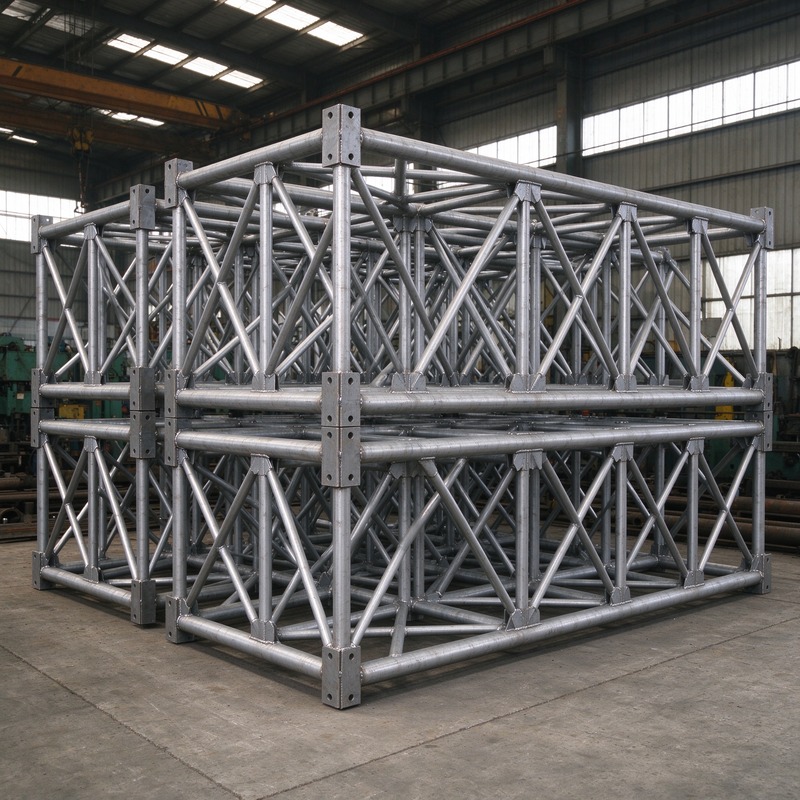
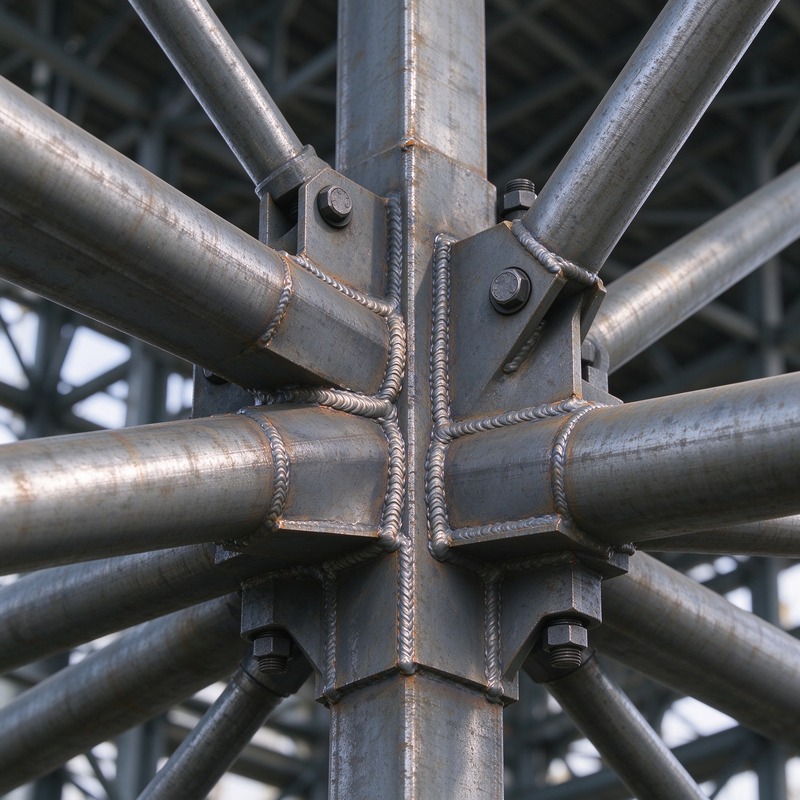
Installation Guidance for Structure Fabrication in Engineering Projects

Installation Guidance for Structure Fabrication in Engineering Projects

Proper installation of fabricated structures is vital for ensuring  safety and performance. Before installation,  review the project specifications and  installation guidelines provided by the supplier.  For example, at Shenyang Haibo Weiye, detailed installation instructions accompany  product delivery, ensuring that each  component  is installed correctly.

One  of the first steps in the installation process is site preparation. Ensure that the foundation or support structures  are appropriately designed and constructed to accommodate the loads imposed by  the fabricated elements. This may involve consultation with structural engineers, particularly in complex projects.

During installation, it is crucial to adhere to best practices for assembly. This includes using the correct  fastening methods and tools, as well as following  any specified sequences for joining components. Quality checks should  also be performed  at various stages, such as verifying alignment and ensuring that connections are secure.


Finally, consider training for your installation  team. Providing  them with insights into the  specific characteristics of the materials and structures  can prevent common installation  errors and improve overall efficiency.

Applications of Structure Fabrication in Various Industries and Projects

Applications of Structure Fabrication in Various Industries and Projects

Structure fabrication plays a  critical role across a wide range  of industries, from construction and infrastructure to manufacturing  and energy. In the construction sector, fabricated steel structures are commonly used in commercial buildings, bridges, and industrial facilities, providing robust frameworks that support  complex designs.

In  the manufacturing industry,  structure fabrication is essential for creating equipment frames, workstations, and storage systems. Custom solutions can  enhance operational efficiency and optimize space utilization in facilities.


The energy sector also benefits from structure fabrication, particularly in  the construction  of  wind turbines,  solar panel frameworks, and other renewable energy installations. These applications require materials that can withstand harsh environmental conditions, making it vital to choose  suppliers with experience in producing durable products.

In addition, fabricated  structures are increasingly used in temporary installations, such as  event staging and  exhibition spaces, where flexibility  and rapid assembly are needed. Understanding the specific requirements of your  industry will help  in selecting the  right fabrication solutions.

Understanding the Advantages of Different Structure Fabrication Materials

Selecting the appropriate materials for structure fabrication is  critical, as  it directly impacts performance, durability, and cost.  Steel is the most  common choice due to its high strength-to-weight  ratio, making it suitable for a wide range of  applications. For projects requiring corrosion resistance, galvanized or stainless steel options may be necessary.

Aluminum is another popular material, particularly in applications where weight reduction is crucial, such as aerospace and automotive industries. While it may be more expensive  than steel, its resistance to corrosion and lightweight properties  can justify the investment in specific scenarios.

Composite materials, which  combine different elements to enhance specific properties, are gaining traction in specialized applications. These materials can offer advantages  such  as reduced weight, enhanced thermal insulation, or improved resistance to chemicals.

When evaluating material options, consider factors such as load  requirements, environmental  conditions, and  project budget. Collaborating  with an experienced supplier can  help identify the best material choices  tailored to your project’s needs.

By carefully considering  the factors outlined , B2B buyers can make informed decisions when it comes to  structure fabrication.  Understanding the intricacies of the procurement process, from supplier evaluation to material selection, will lead to successful project outcomes.

What to Consider When Choosing Structure Fabrication Suppliers

Selecting the right structure fabrication supplier is  crucial for ensuring the success of your project. Begin by evaluating the supplier’s manufacturing capabilities, including  the types of materials they work with,  their  production capacity, and the technology  they employ. For instance, Shenyang Haibo Weiye Light Steel Color Plate  Co., Ltd utilizes advanced steel structure production lines and CNC welding  equipment, which can enhance precision and efficiency. When considering your options, you might explore our Steel Structure Buildings to understand more about the benefits of quality suppliers.

Additionally, consider  their quality control processes. A supplier with robust  quality assurance measures can help mitigate risks associated with  material defects and  assembly issues. Ensure  that the potential partner can provide evidence of their capabilities, such as certifications or past project  examples.

Another essential factor is customization options.  Different projects may require unique specifications, so it’s beneficial to  work with a supplier that can adapt  to your specific needs, whether that involves modifying dimensions, materials, or surface treatments. For instance, Commercial Steel Buildings often require tailored solutions to meet specific project demands.

Lastly,  examine the supplier's experience in your industry. A company familiar with the specific demands  and  regulations  of your sector is more likely to provide solutions that meet your project requirements.

Frequently Asked Questions

What products are included in your structure fabrication line?

We produce H section steel, box columns, beams, steel trusses, bridges, composite plates, color steel profiled plates and purlins using advanced production lines and CNC welding equipment.
We serve diverse engineering scenarios across construction, industrial, bridge works and large-scale steel structure projects throughout Northeast China and beyond.
Yes. We integrate design, production and sales to offer customized H-sections, columns, trusses and composite solutions tailored to project specifications and load requirements.
We use advanced production lines, CNC and welding equipment with standardized inspection at each stage to ensure dimensions, weld integrity and material conformity to specifications.
As a major regional processor with large annual output, lead time depends on order size and complexity; please contact us with project details for a specific delivery estimate.

Get a Free Quote

Our representative will contact you soon.
Email
Name
Company Name
Message
0/1000

Related product categories

Get a Free Quote

Our representative will contact you soon.
Email
Name
Company Name
Message
0/1000