
High-Quality Bridge Structural Components Wholesale

All Categories

bridge structural

High-quality bridge structural components are essential for ensuring safety  and  longevity in infrastructure  projects. Sourcing these components  requires careful consideration of specifications, quality control  measures, and installation practices. This  article will  explore  where to find  reliable suppliers, the key  specifications that ensure  durability, quality control processes in production,  installation guidance  for efficient assembly, and common problems  encountered in  bridge structural  projects  along with their  solutions. By understanding these aspects, purchasing managers, engineers, and product managers can make informed decisions  that meet  their project requirements.
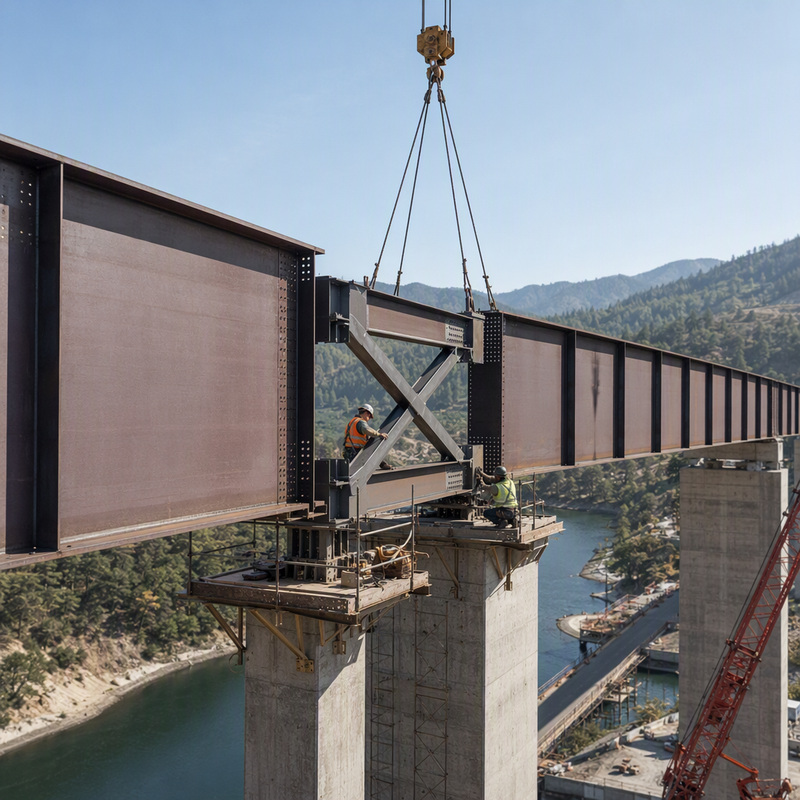
Key Specifications for Durable Bridge Structural Solutions

Key Specifications for Durable Bridge Structural Solutions

Understanding the key specifications for bridge structural components is essential for ensuring durability and  safety. Here are several  critical  specifications to consider:

Material Composition: Structural steel  should meet  specific standards, such as ASTM A992 for steel  beams, which is known for its strength and  weldability. Check the  grade of steel used and ensure it complies with relevant codes. Dimensions and Tolerances: Accurate dimensions are  vital  for structural integrity. Ensure that the manufacturer adheres  to the specified  tolerances, which can impact the fitting and stability of the bridge components. Load Capacity: Determine  the  expected load requirements for your project and verify that the components can handle these  loads, including dynamic loads from traffic and environmental factors. Surface Treatment: Look  for corrosion protection  measures, such as  galvanization or painting, that  enhance the longevity of the components, particularly in harsh environments.

By confirming these specifications with suppliers, buyers can  ensure that the structural components will perform adequately over time, reducing maintenance needs and enhancing safety.
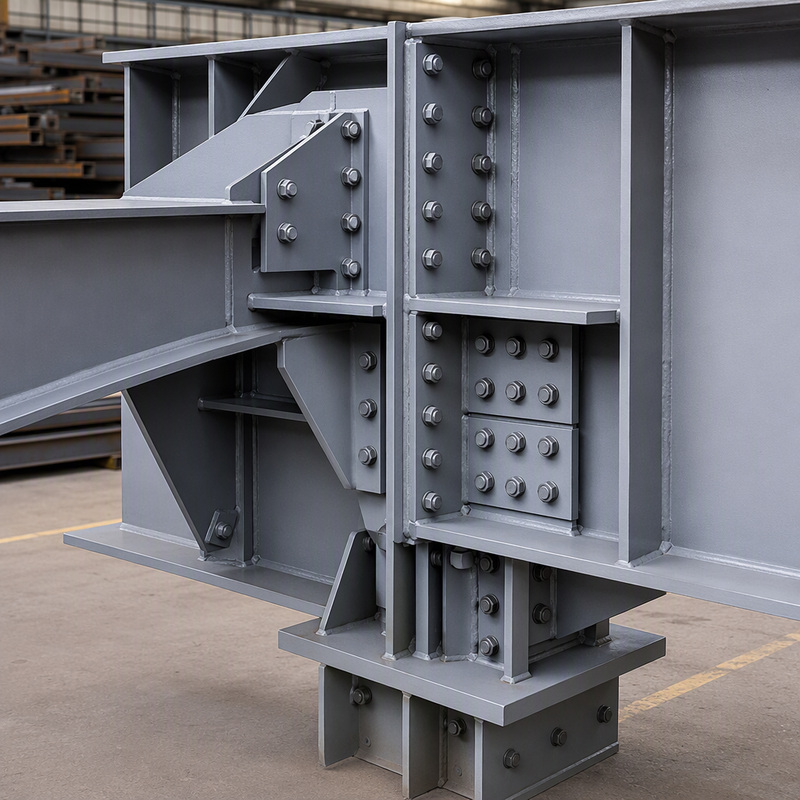
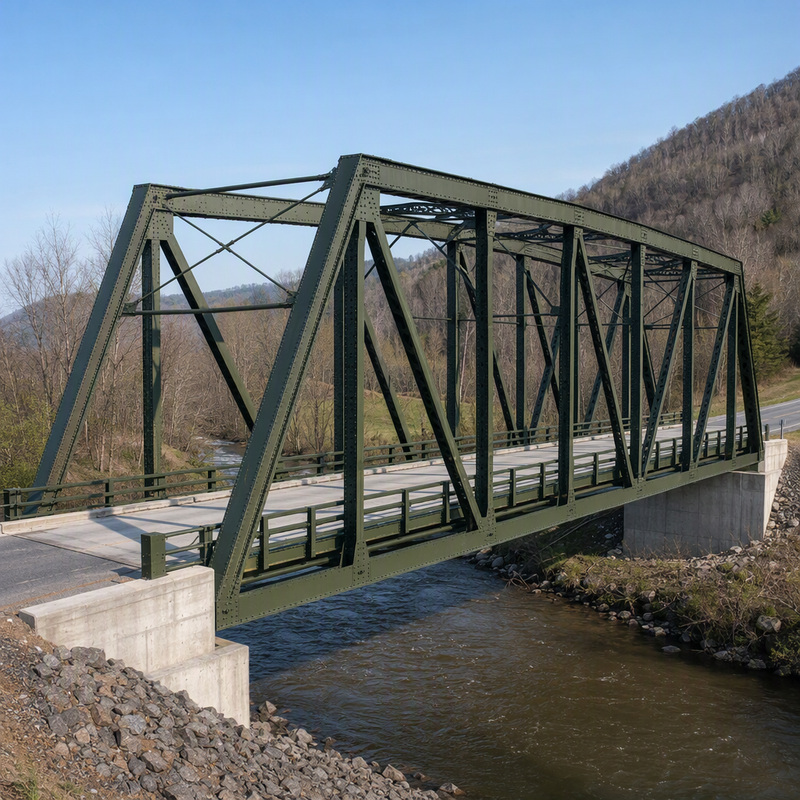
Quality Control Measures in Bridge Structural Production

Quality Control Measures in Bridge Structural Production

Quality control is a critical aspect of manufacturing bridge structural components. Effective measures help ensure that  the final products meet  safety standards and performance expectations. Key quality control processes to look for include:

Incoming Material  Inspection: Raw materials should be inspected upon arrival to ensure they meet the required specifications and standards. In-Process Testing: Manufacturers should  conduct regular in-process inspections during production to identify  any deviations  from quality standards early. This includes weld inspections, dimensional checks,  and coating  evaluations. Final Product Testing:  Before  shipping, components should undergo final testing to assess their performance under load conditions, ensuring they  meet safety regulations  and structural requirements. Certification  and Documentation:  Ensure that  the  manufacturer provides relevant certifications and documentation that verify compliance with  industry standards, which is crucial for regulatory approvals.

By understanding and verifying these quality control measures, buyers can minimize  the risk  of defects and  ensure the reliability of their bridge projects.

Installation Guidance for Efficient Bridge Structural Assembly

Installation Guidance for Efficient Bridge Structural Assembly

Proper installation is vital for the long-term performance of bridge structures. Here are  some guidelines for efficient assembly:

Planning and  Design  Review: Before  installation, review  the design plans to ensure all  components are accounted for and compatible. This  helps prevent delays  during assembly. Use of Qualified Personnel: Ensure  that only skilled  and certified personnel are tasked with the  installation. They should be  familiar with the specific assembly techniques required for  the components being  used.  Proper Equipment:  Use appropriate lifting and assembly equipment to handle heavy structural components safely. Ensure that all equipment is inspected and maintained. Follow Manufacturer Instructions: Adhere  to installation guidelines provided by the manufacturer, including welding procedures, fastening  methods, and alignment specifications.

By following these steps, project managers can ensure a smoother installation process,  reducing  the likelihood of costly rework or structural issues.

Common Problems in Bridge Structural Projects and Their Solutions

Despite thorough planning and execution,  common problems may arise during  bridge  structural  projects. Being aware of  these issues and  their solutions can help mitigate risks:

Misalignment of Components: Components may be misaligned during installation, leading to structural weaknesses. Regular checks during assembly can help catch misalignments early.

Solution:  Use precise measurement tools and techniques to ensure accurate positioning of all components during installation.

Corrosion Issues:  If protective coatings are not applied correctly or wear off prematurely, corrosion can occur.

Solution:  Implement routine inspections and maintenance to  identify and address corrosion before it compromises structural integrity.

Material Failures:  Unexpected  material  failures can occur due to manufacturing defects or unsuitable material selection.

Solution: Always request material test reports and certifications from suppliers  and conduct  your own inspections before installation.

By anticipating these  challenges and implementing preventive measures, project teams can enhance the reliability and safety of bridge structures, ensuring successful  project outcomes.

In summary, sourcing high-quality bridge  structural components requires careful attention  to specifications, quality control, and  installation practices. By understanding these factors, B2B buyers can make informed decisions that support their project goals and enhance safety in infrastructure development.

Where to Source High-Quality Bridge Structural Components Wholesale

When looking for wholesale bridge structural components, it's crucial to prioritize manufacturers  with a  proven track record in the industry. Suppliers like  Shenyang Haibo Weiye  Light Steel  Color Plate Co., Ltd, which integrates design,  production, and sales, are valuable resources. They offer  a diverse range of products, including H section steel, box columns, beams, and composite plates, which are essential for constructing robust bridges. Additionally, consider exploring options such as Prefabricated Steel Structure Warehouse Building, which can also serve as a great resource for structural components.

Considerations  when  sourcing include:

Production Capabilities: Evaluate the supplier's ability to meet  large annual outputs and diverse engineering scenarios. This ensures they can handle your project's scale  and complexity. Material Quality: Ensure the supplier uses high-grade  materials suitable for the specific environmental  conditions your  project will face, such as corrosion resistance or load-bearing capacity. Customization  Options: Many projects require specific  dimensions and  specifications; a supplier that can customize products will better meet your needs.

Establishing a relationship with a  reliable supplier not only  ensures product quality  but also facilitates smoother project timelines and logistics.

Frequently Asked Questions

What types of bridge structures do you manufacture?

We produce steel truss bridges, H-section beam bridges, box column bridges and customized steel bridge components to suit varied engineering needs.
Yes. We integrate design, production and delivery, offering complete structural design, fabrication and component supply for bridge projects.
We use high-quality structural steel, composite plates and color profiled plates, fabricated with CNC and welding per project specifications and applicable engineering standards.
As a major Northeast China processor with large annual output, lead time varies by project size; typical fabrication lead times are provided after design confirmation.
Yes. We provide technical consultation, installation guidance and after-sales support, including on-site technical coordination when required.

Get a Free Quote

Our representative will contact you soon.
Email
Name
Company Name
Message
0/1000

Related product categories

Get a Free Quote

Our representative will contact you soon.
Email
Name
Company Name
Message
0/1000