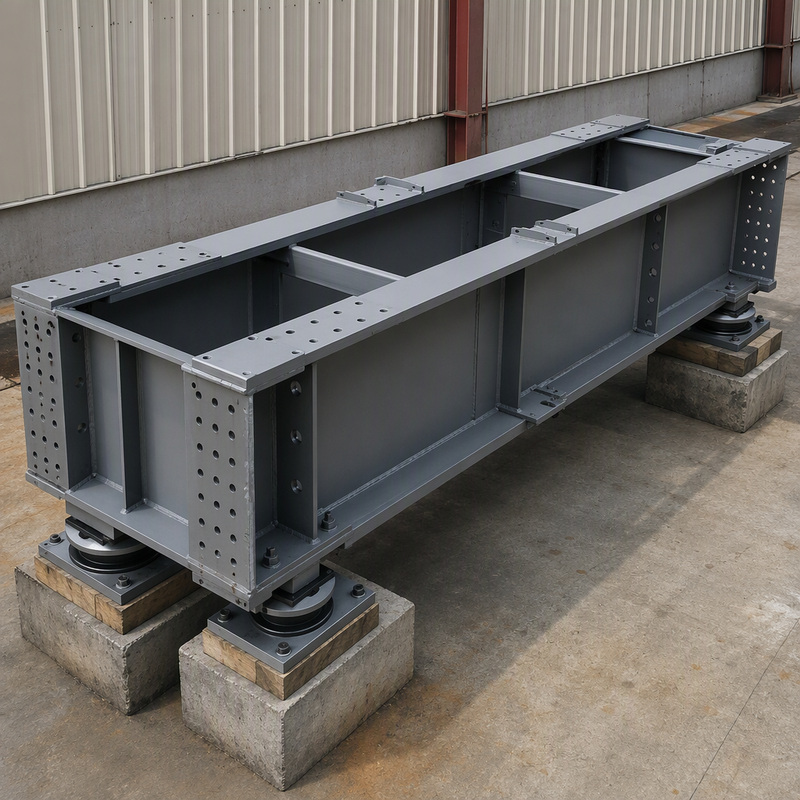
Bridge Construction Materials: Key Considerations

All Categories

bridge const

Selecting the right materials for bridge construction is crucial  to ensure structural  integrity, safety,  and  cost-effectiveness. This  article will explore key considerations in  bridge construction materials, specifically focusing on H section steel  and beams.  Here, we  aim to address common  concerns among B2B  buyers, including  material specifications, supplier reliability,  and installation guidelines. By the end of  this  article,  purchasing managers and engineers  will gain valuable insights into  making informed decisions for their  bridge  construction projects.
Best Practices

Best Practices

Finding reliable suppliers for bridge components is essential for ensuring quality and timely delivery. Buyers should consider several avenues for sourcing  these  materials. Trade shows and industry conferences are excellent opportunities to meet manufacturers and discuss their capabilities directly. Additionally,  online B2B platforms and directories can provide a list of potential suppliers,  complete with reviews and ratings from  other buyers.


When evaluating suppliers, it's important to look  for those with proven experience in  manufacturing bridge components. A  supplier  with a robust quality control process and  relevant  certifications can provide additional  assurance of their reliability. Visiting the manufacturing facility, if feasible, can also give buyers insight into the production capabilities and quality  standards  maintained by the supplier.

Furthermore, assessing the supplier's customer service and communication practices can  be beneficial. A responsive supplier that provides  detailed  product information,  lead times, and support  during the ordering process can greatly enhance the purchasing experience.
Comparing Cost Factors for Different Bridge Steel Options

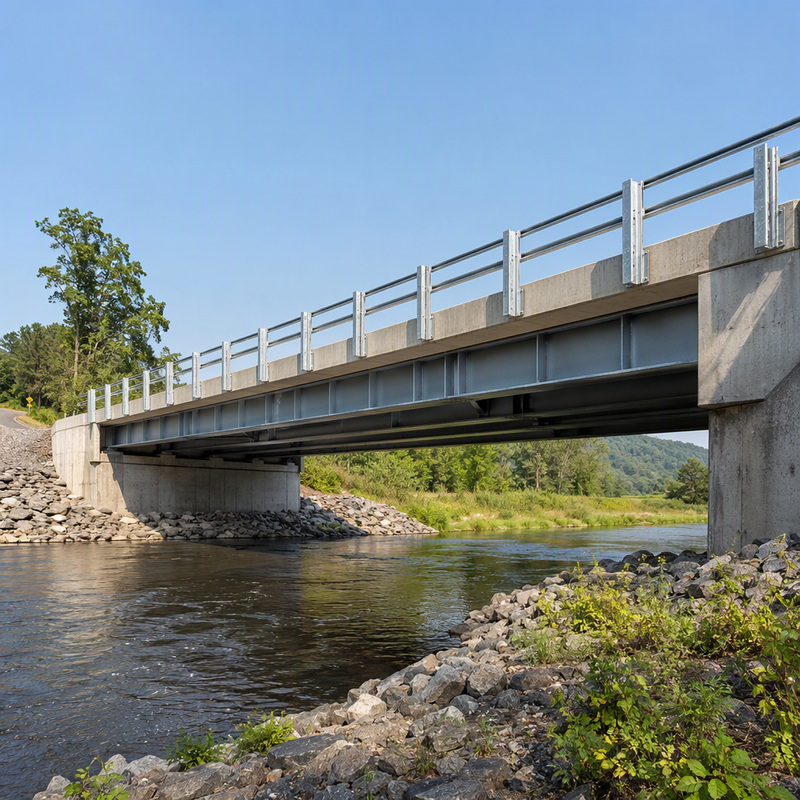
Comparing Cost Factors for Different Bridge Steel Options

Bulk ordering H section steel and beams can provide significant cost savings  for large-scale construction projects. When considering bulk orders, buyers should first determine their specific needs, including  dimensions,  quantities, and any customization requirements.

It's advisable to discuss minimum order  quantities (MOQ) with suppliers, as some may have specific  thresholds  that could affect pricing. For instance, Shenyang Haibo Weiye  Light Steel Color Plate Co., Ltd may have flexible MOQ options,  allowing buyers to tailor their  orders according to project requirements. This is especially important when dealing with components such as Steel Columns & Beams.

Additionally, buyers should inquire about pricing structures for  bulk orders. Some suppliers may offer tiered  pricing, where the unit cost decreases as the order  quantity increases. This can result in substantial savings for large  projects.

Lastly,  ensure that  the supplier can  maintain consistent quality across bulk orders. Requesting samples or production runs prior to placing a  large order can  help confirm that the materials meet the necessary specifications and  quality  standards.

Technical Specifications for Composite Plates and Steel Structures

Technical Specifications for Composite Plates and Steel Structures

When preparing to purchase  bridge construction materials,  it’s essential to have a clear understanding of specific  requirements. Here’s a checklist to guide buyers through the process:

Define Project Specifications: Determine the required dimensions, load-bearing capacities,  and  environmental considerations for the bridge.

Select Material  Types: Choose appropriate materials, such as H section steel, considering factors like strength, corrosion  resistance, and weight.

Request Quotes: Provide  suppliers with detailed project information, including quantities, specifications, and any customization needs, to obtain accurate  quotations.

Evaluate Suppliers:  Research potential suppliers based on their experience, quality control processes, and customer reviews. 

Inspect Samples: Before finalizing an order, request samples to evaluate the material’s quality and ensure it meets project standards.

Confirm Delivery Details: Discuss lead times,  shipping methods, and packaging  options with  suppliers  to ensure timely delivery aligned with project schedules.

Finalize Purchase Agreement: Once all details are confirmed, finalize the purchase agreement,  specifying terms,  conditions, and payment methods.

By following these  steps,  buyers can streamline the purchasing process  and ensure they secure the right materials for their bridge construction projects.

Applications of Light Steel Color Plates in Modern Engineering

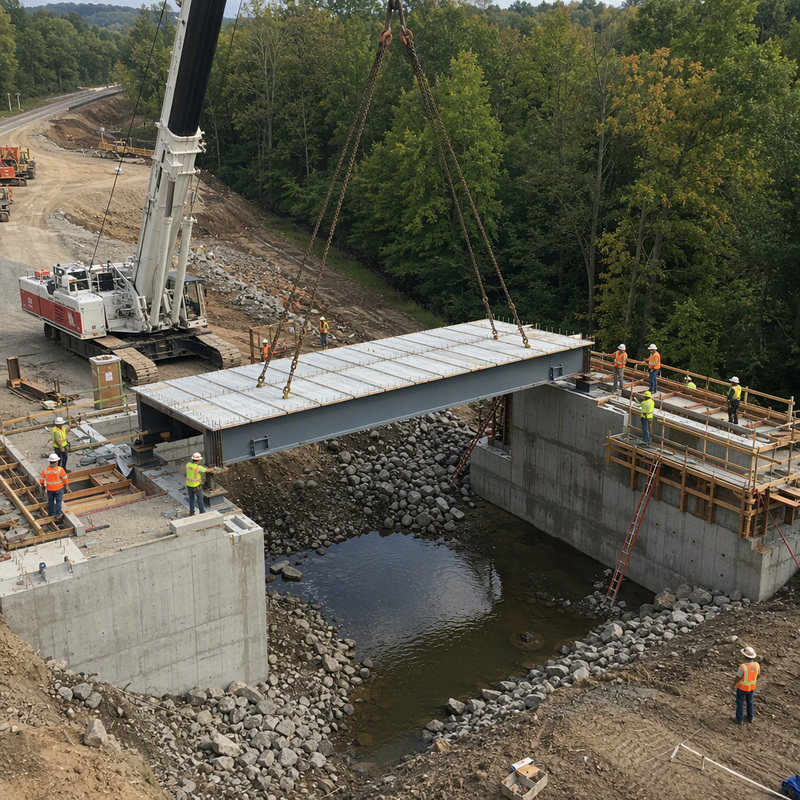
Proper installation of  steel bridges and components is crucial for ensuring structural integrity and safety. Here are some guidelines to consider  during the  installation process:</p> 

Preparation of the Site: Before installation begins, ensure the site is adequately  prepared. This includes leveling the ground,  ensuring proper drainage, and verifying that all necessary  permits are in place.

Use of Appropriate  Equipment: Ensure that the right equipment is  available for lifting and positioning heavy steel components. Cranes and hoists should be regularly inspected and operated by trained personnel to prevent accidents.

Follow  Manufacturer Instructions: Adhere to the installation  instructions provided  by  the manufacturer.  This includes specific recommendations for bolting, welding, and anchoring  components to ensure they are securely fastened  and stable.

Quality Checks: Conduct regular inspections during the installation process to ensure that all components are correctly aligned and installed according to the specifications. This can prevent potential issues during the bridge's operational life.

Post-Installation Review: Once the installation is complete, perform a thorough review to ensure that  all components meet the design specifications and quality standards. This may include  load testing where appropriate.

By  following these  installation guidelines, purchasing managers and engineers can help ensure that the bridge is constructed safely and effectively, reducing the risk of future structural failures.

Sourcing Bridges and Steel Components

When selecting materials for  bridge construction, several factors  must be considered to ensure the structure's longevity and performance.  First, the load-bearing capacity is essential.  H section  steel,  known for  its high strength-to-weight ratio, is often preferred for its ability to support substantial  loads while minimizing material usage. Buyers should assess the  expected traffic loads, environmental conditions,  and any specific regulatory requirements related to the bridge's location.

Another critical consideration is corrosion resistance. Bridges are often exposed to harsh environmental factors, including moisture and chemicals. Therefore,  selecting steel with appropriate protective coatings or  corrosion-resistant alloys is vital. Additionally, the material’s  durability against  fatigue  and impact is crucial, particularly for  bridges  that will experience constant vehicular traffic. For more information on suitable materials, consider checking out our section on Steel Structure Components.

Lastly, buyers should evaluate the availability of customization options. Different projects may require specific  dimensions, finishes,  or fabrication processes. Working with a manufacturer like Shenyang Haibo Weiye Light Steel Color Plate Co., Ltd, known for its diverse product offerings and customization capabilities, can help ensure that  the right materials are selected for the specific project needs.

Frequently Asked Questions

What is bridge const made of?

Bridge const components are fabricated from high-strength steel sections, box columns, beams and trusses produced on advanced CNC and welding lines, ensuring structural durability and load capacity.
Designed for road, rail and pedestrian bridges as well as industrial crossings and construction projects requiring steel structural spans.
Yes. We offer custom dimensions, section types, connection details and coatings to meet project specifications and engineering requirements.
Production follows strict QC with CNC fabrication, welded inspections, material testing and final dimensional checks to meet engineering standards.
We provide large annual output for timely delivery, plus technical drawings, handling instructions and installation guidance to support on-site assembly.

Get a Free Quote

Our representative will contact you soon.
Email
Name
Company Name
Message
0/1000

Related product categories

Get a Free Quote

Our representative will contact you soon.
Email
Name
Company Name
Message
0/1000