Key Considerations for Bridge Construction Materials

All Categories

bridge construction

Bridge construction  is a critical aspect  of  infrastructure development, encompassing  a range  of materials and engineering techniques to ensure safety and  longevity. As  a B2B  buyer involved  in purchasing  bridge construction materials, you may face several  concerns,  including material specifications,  supplier reliability, cost  factors,  and  project timelines.  This article will provide  you  with  practical insights to help you navigate these considerations effectively.
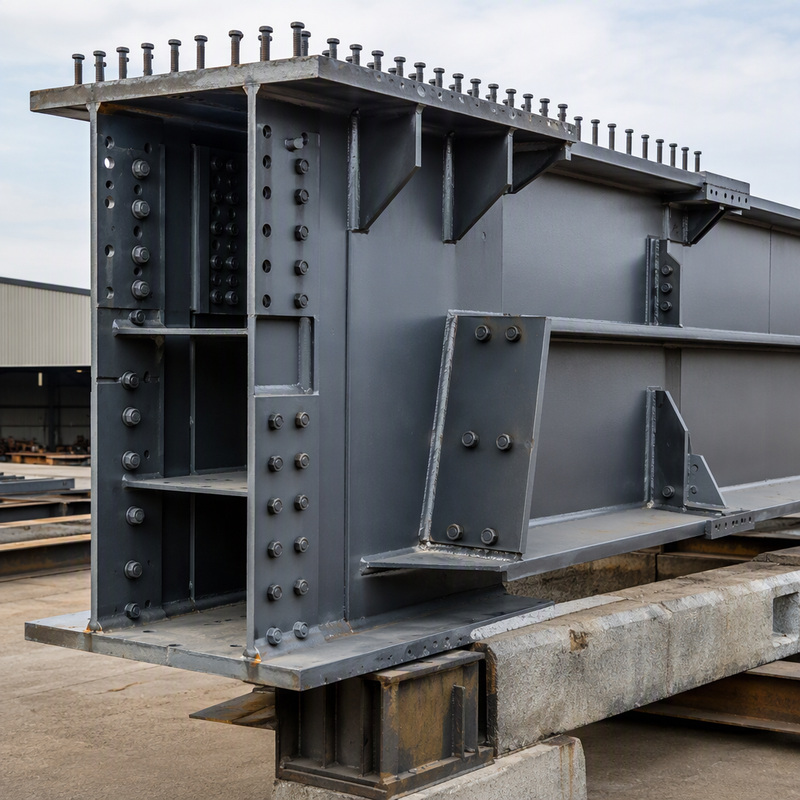
How to Choose the Right Supplier for Bridge Construction Materials

How to Choose the Right Supplier for Bridge Construction Materials

Selecting a reliable supplier for bridge  construction materials is paramount to ensuring project success.  Here are key considerations to keep in mind during your evaluation process:

Manufacturing  Capabilities: Assess  the supplier's production capabilities, including the types of materials they offer and their ability  to customize products based on project specifications. Look  for suppliers, like Shenyang Haibo Weiye Light Steel Color  Plate Co., Ltd, that have advanced production lines and CNC capabilities.

Quality  Control Processes: Inquire about the supplier's quality assurance  measures. A reputable supplier should have rigorous testing protocols in place to verify material specifications. This includes dimensional checks, strength testing, and surface treatment evaluations.

Experience and Reputation: Consider the supplier's experience in the industry and their track  record  with similar projects. Look for customer testimonials and case studies that demonstrate  their ability  to deliver high-quality materials on time.

Lead Times: Confirm the supplier's lead times for production and delivery. Delays in receiving  materials can significantly  impact project timelines, so it's  crucial to have clarity on expected delivery dates.

Certifications: Verify  any relevant industry certifications that the supplier holds, ensuring  they comply  with necessary standards. This can  provide additional assurance of quality and reliability.
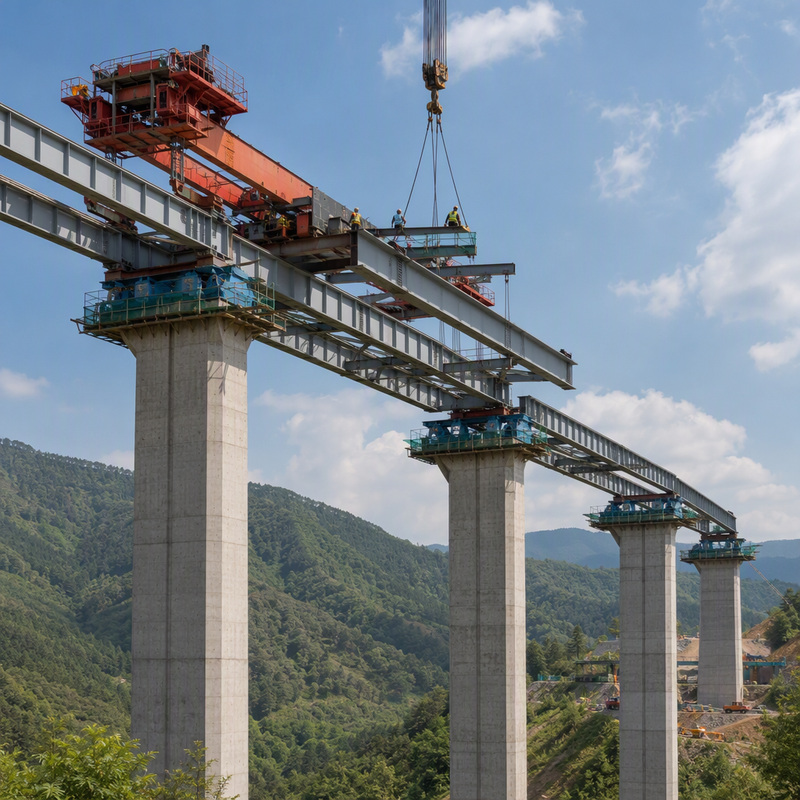
Comparing Quality in Steel Structures for Bridge Projects

Comparing Quality in Steel Structures for Bridge Projects

Quality comparison among steel structures for bridge projects involves understanding various parameters that influence performance. Here are some critical aspects to consider:

Material Grade: The grade of  steel affects its yield strength and ductility. For instance, structural steel grades such as S235, S275, and S355 have different properties that can impact load capacity  and safety. Ensure that the selected grade aligns with  the required performance  specifications of the bridge.

Welding Quality: The quality of welds in steel structures can  significantly influence overall strength. Review the supplier's welding certifications and inspect weld samples to  ensure they  meet the necessary standards for structural integrity.

Corrosion Resistance: Bridges are often  exposed to harsh environmental conditions, which can lead to corrosion  over time. Consider using galvanized or coated steel to enhance durability. Discuss with suppliers about available  surface treatments that can provide additional protection against corrosion, such as Galvanized Cross (X) Bracing System which reinforces the structure.

Dimensional Tolerances: Ensure that the supplier  adheres  to specified  dimensional tolerances,  as these can  affect assembly and overall fit during construction. Inaccurate dimensions can lead to  costly  rework and delays.

Testing and Certification: Request test  reports and certifications for the steel materials. Independent testing results provide confidence in the product's performance and compliance with  industry standards.

Cost Factors to Consider in Bridge Construction Procuremen

Cost Factors to Consider in Bridge Construction Procuremen

Understanding the cost factors involved in bridge  construction procurement is essential for effective budgeting. Here are some key elements that can influence overall costs:

Material Costs: The  price  of raw materials fluctuates based on market conditions, so it's important to obtain  multiple quotes from  suppliers.  Consider long-term supply agreements  to secure more favorable pricing.

Transportation and Logistics: Factor  in transportation costs, especially if sourcing materials from distant suppliers. Shipping delays and logistics challenges can also impact overall project costs. Ensure  the  supplier can reliably deliver materials to the project site.

Customizations: Custom engineering  or modifications  to standard  products can increase costs. Clearly define your  project needs  to avoid unexpected expenses related to customizations.

Quality Assurance Costs: While it may seem cost-effective to select lower-priced materials, consider the  potential long-term costs associated with quality  issues. Investing in higher-quality materials can save money in maintenance and repairs over the bridge's lifespan.

Market Demand and Supply: Keep an eye on  market demand trends,  as these can affect pricing. During peak construction seasons,  material costs may rise due to increased demand.

Best Practices and Tips

To ensure a successful bridge construction project, consider implementing the following best practices:

Request Detailed Quotations: When reaching out to suppliers,  provide comprehensive project details including material specifications, required  quantities, application  types, and delivery deadlines. This will enable suppliers to give accurate quotes.

Review Samples: Before placing bulk orders, request samples of critical  materials. Testing samples for  performance and  quality can help identify any potential issues before mass production.

Establish Clear Communication: Maintain open lines of communication with your supplier throughout the project. Regular updates can help address any arising concerns promptly and keep the project on track.

Conduct Site Inspections: If possible, visit the supplier's manufacturing  facility to inspect their processes and quality control measures firsthand. This can provide valuable insights into their capabilities and  operational  standards.

Plan for Contingencies: Develop a contingency plan to address potential delays or  supply chain disruptions. Having backup suppliers or alternative materials can help keep  your project on schedule.

By understanding the key specifications, supplier  evaluation criteria,  quality  comparison  metrics, cost  factors,  and best practices, you can  make more  informed  decisions in bridge construction procurement, ultimately leading to successful project outcomes.

Key Specifications and Materials

When it comes  to bridge  construction, the choice of materials and specifications is crucial.  Common materials used include H section steel, box columns, and composite plates, each offering distinct advantages based on structural requirements and  environmental conditions.

H Section Steel: Known for its high strength-to-weight ratio, H section steel is ideal for load-bearing applications. It is essential to ensure  that the steel meets relevant standards for tensile strength and yield strength, as inadequate specifications can lead  to structural failures.

Box Columns: These offer excellent resistance to buckling and torsion,  making  them suitable for tall structures. Buyers should verify the wall thickness and  material grade, as these factors directly influence the column's performance under load.

Composite Plates:  Often used for their lightweight properties and corrosion resistance, composite materials  can enhance the overall durability  of a  bridge. Ensure that the  composite plates are tested for impact resistance and  environmental degradation.

Color Steel Profiled Plates: These are frequently used for bridge decking due  to their  aesthetic appeal and lightweight design. Confirm the coating specifications to ensure longevity and resistance to weathering.

The  selection of the right materials should align with the specific requirements of the project, including load capacity, environmental exposure, and  local regulations. For example, using high-quality PU PIR Insulated Wall Sandwich Panel can improve insulation and durability.

Frequently Asked Questions

What bridge construction services do you provide?

We design, fabricate and install steel bridges including H-section beams, box columns, steel trusses and composite plate decks for varied engineering projects.
We use H section steel, box columns, beams, steel trusses, composite plates, color profiled plates and purlins produced on advanced lines.
Yes. We integrate design and production to deliver customized steel bridge solutions to meet project specifications and load requirements.
Our CNC, welding and advanced steel structure production lines ensure precise cutting, welding and repeatable high-volume fabrication.
As a major Northeast China processor with large annual output, we offer scalable production; lead times depend on project scope—contact us with details for a timeline.

Get a Free Quote

Our representative will contact you soon.
Email
Name
Company Name
Message
0/1000

Related product categories

Get a Free Quote

Our representative will contact you soon.
Email
Name
Company Name
Message
0/1000