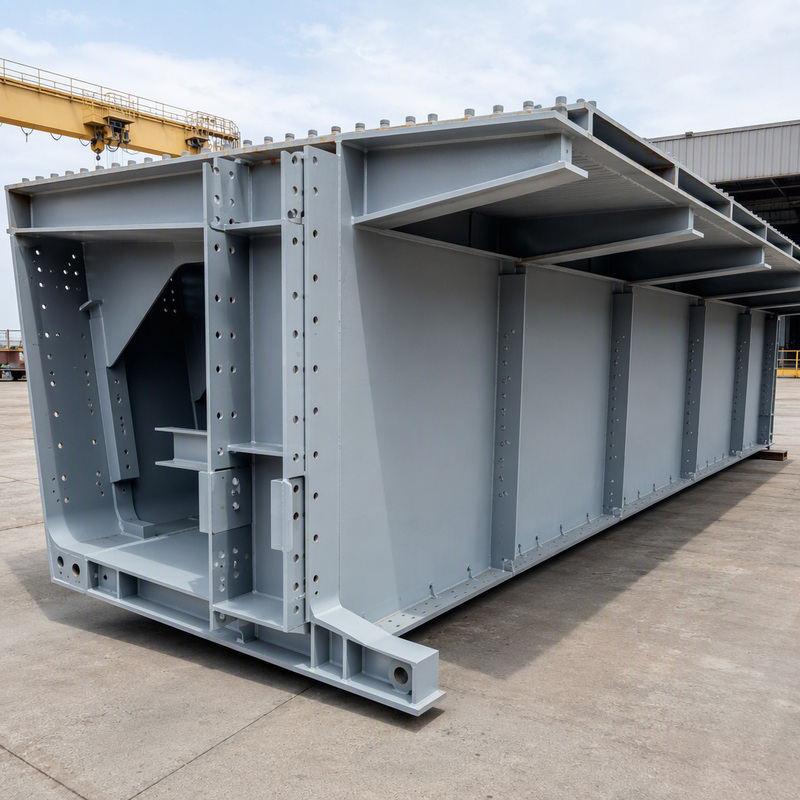
New Bridge Construction: Key Specifications and Tips

All Categories

new bridge construction

New  bridge construction is a critical  aspect of  infrastructure development that requires  meticulous  planning, quality materials, and reliable suppliers. For purchasing managers, engineers,  and project  managers,  the choice of  steel products is paramount to  ensure the longevity and safety  of the  structures.  This  article will  explore key  specifications, material selection, timely delivery, installation guidance,  and  sourcing high-quality  materials for  new bridge construction projects.
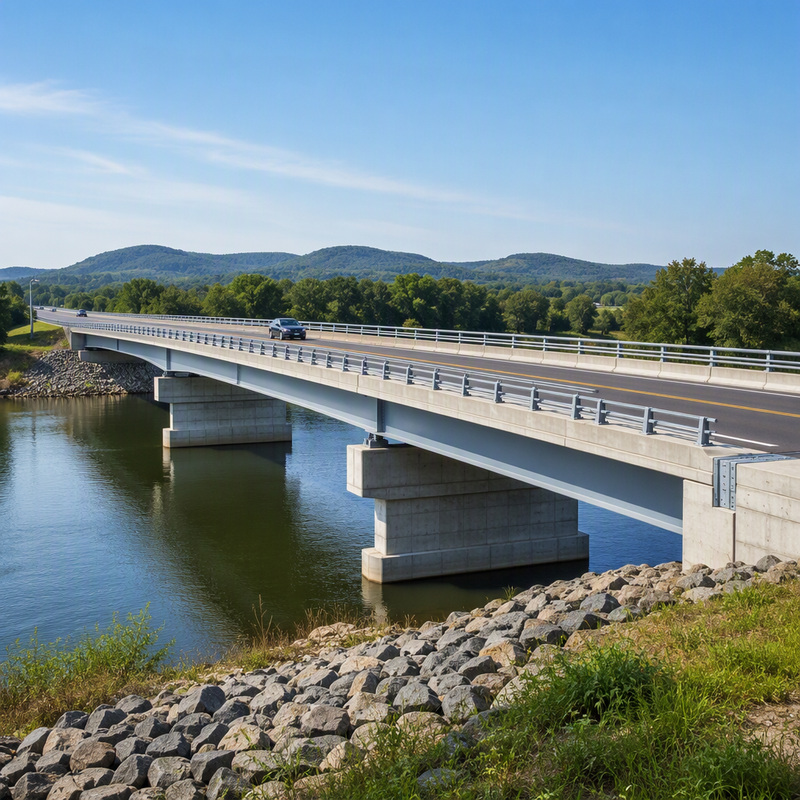
How to Choose the Right Steel Products for Bridge Building

How to Choose the Right Steel Products for Bridge Building

Selecting the right steel  products is crucial for successful bridge construction. Here are essential considerations:

Application Requirements: Different  bridge designs (e.g., arch, cantilever, suspension) may require  specific steel profiles  (H sections, beams, or trusses). Understanding the application will  guide material selection.

Customization Needs: Customization can be vital, especially for unique designs or specifications. Work with  suppliers who can provide  tailored solutions that meet project requirements, possibly including Commercial Metal Building Kits for specific needs.

Quality Assurance: Look for manufacturers with robust quality control processes. Certifications, such as ISO standards, can  provide confidence  in the product's reliability.

Supplier Experience: A supplier's experience and capability  in producing steel products for bridge construction are  important indicators of their reliability. Established manufacturers like  Shenyang Haibo Weiye have proven capabilities in producing high-quality steel structures.

Cost vs.  Value: While cost is a significant factor, consider  the overall value, including durability,  maintenance requirements, and potential  savings from fewer repairs  over time.

By evaluating these factors, buyers  can choose the most suitable steel products for their bridge construction  needs.
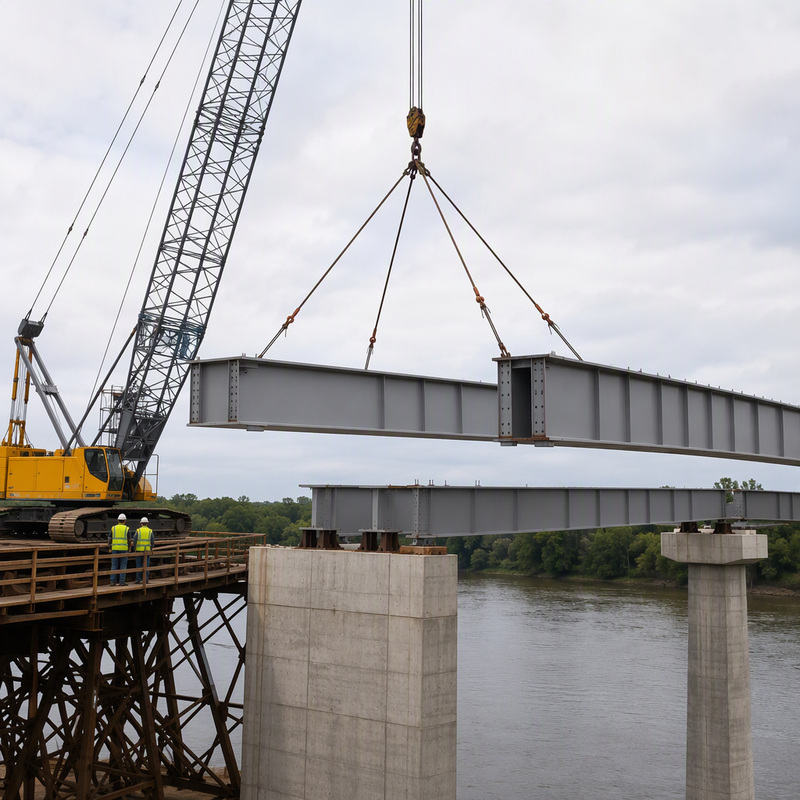
Ensuring Timely Delivery for Your Projects

Ensuring Timely Delivery for Your Projects

Timely  delivery  is  a cornerstone of successful project management in new bridge construction. Delays can lead to increased costs and  project disruptions. Here are strategies to ensure on-time delivery:

Clear Communication: Maintain open lines of  communication with suppliers regarding delivery timelines and any potential issues. Establishing a timeline with milestones can help  track progress.

Order Planning: Place orders well in advance, considering lead times for production and shipping. Understanding the manufacturer's production capacity can help in planning orders effectively.

Logistics Coordination: Coordinate logistics to ensure that transportation aligns with construction schedules. Consider potential challenges, such as weather or regional transport  regulations.

Supplier Reliability: Partner  with suppliers who have a track record of timely deliveries. Researching customer testimonials and  case  studies  can provide insights  into their reliability.

Contingency Planning: Have  contingency  plans in place to address  any unforeseen delays, including alternative suppliers or expedited shipping options.

By implementing these strategies, project  managers  can significantly reduce the  risk of delays  in their bridge  construction projects.

Installation Guidance for Efficient Bridge Construction Processes

Installation Guidance for Efficient Bridge Construction Processes

The installation phase of bridge construction is critical and requires careful planning  and execution. Here are some key considerations for ensuring efficient installation:

Site Preparation: Proper site preparation  is essential. This includes assessing the ground conditions, ensuring adequate access for cranes and heavy equipment, and preparing for any environmental considerations.

Assembly Process: Follow a well-defined assembly process based on the bridge design. Ensure all team members are knowledgeable about  their roles  and responsibilities during installation.

Quality Control During Installation: Implement  quality  control measures to inspect components during installation. This includes checking  welds, connections, and overall alignment.

Safety Protocols: Establish and enforce safety protocols  to protect workers during installation. This includes proper training,  use  of safety  gear, and adherence to safety regulations.

Documentation: Maintain thorough documentation throughout  the installation process. This  includes photographs,  inspection  records, and compliance  checks to ensure accountability  and traceability.

By  focusing on these installation guidelines,  teams can enhance efficiency and minimize the risk of errors or accidents during the construction process.

Where to Source High-Quality Materials for Bridge Building

Sourcing  high-quality materials is paramount for  the success of new bridge construction. Here are tips for finding reliable suppliers:

Research Manufacturers: Start with manufacturers known for producing steel products specifically for bridge construction. Look for companies with advanced production capabilities, such as Shenyang Haibo Weiye, known for its large output and diverse engineering applications.

Assess Certifications: Ensure that suppliers have relevant certifications that attest to the quality and safety of their products. This can include ISO certifications, material certifications, and compliance with  local regulations.

Evaluate Product Range: Look for suppliers who offer a comprehensive range of products, including H section steel,  beams, and  trusses. A  diverse product range can simplify procurement by reducing the number  of suppliers involved.

Request Samples: Before finalizing a purchase, request  samples of the materials.  This allows for  a hands-on evaluation of the product's quality, dimensions,  and suitability for the project.

Engage in  Supplier Assessments: Conduct thorough assessments of potential suppliers, focusing on their production  capacity, delivery reliability, and customer  service.  This can  include site  visits or meetings to  discuss  capabilities.

By following these sourcing strategies, purchasing managers can secure high-quality materials that meet the demands  of their bridge construction projects.

Key Specifications to Consider for New Bridge Construction Projects

When embarking on  new bridge construction,  there are several specifications to consider to ensure the structural integrity  and suitability of the  bridge for its intended use. Key specifications include:

Material Quality: The choice of steel, such as H section  steel or box columns, is critical. High-strength steel can enhance  load-bearing  capabilities and resistance to  environmental  stressors.

Dimensions and Weight: Accurate dimensions are essential for compatibility with existing infrastructure and equipment. The weight of steel  components affects the required support structures and transportation logistics.

Load Capacity: Understanding the expected load requirements is  vital.  This includes not just vehicular loads but also environmental factors  such  as wind, snow, and seismic activity.

Corrosion Resistance: Depending on the bridge's  location, selecting materials with suitable  corrosion resistance, such  as galvanized or coated steel, can vastly improve longevity.

Welding and Fabrication  Standards: Ensure  that all steel products meet industry standards for welding and fabrication to guarantee structural performance and safety. Choosing the right Steel Structure Components is essential in this process.

By considering these specifications, buyers can ensure that their bridge projects meet both regulatory requirements and operational  needs.

Frequently Asked Questions

What new bridge construction services do you offer?

We provide full bridge construction services including design, fabrication of H section steel, box columns, beams, steel trusses, and on-site assembly using advanced CNC and welding equipment.
Yes. We integrate design and production to deliver customized structural designs, engineering drawings, and fabrication tailored to project requirements and load specifications.
We supply H section steel, box columns, beams, steel trusses, composite plates and profiled color steel plates suitable for various bridge types and load conditions.
As a major Northeast processor with large annual output, lead time depends on project size; typical fabrication lead times range from weeks to months after design confirmation.
We use advanced production lines, CNC machining, certified welding procedures, material testing and quality inspections throughout fabrication and assembly to meet engineering and safety standards.

Get a Free Quote

Our representative will contact you soon.
Email
Name
Company Name
Message
0/1000

Related product categories

Get a Free Quote

Our representative will contact you soon.
Email
Name
Company Name
Message
0/1000