In May 2026, central and local authorities across China rolled out batches of targeted regulatory plans to fuel high-quality advancement of the domestic steel structure sector. Updated national industrial criteria, regional development guidelines as well as diversified fiscal subsidy policies have built a systematic development mechanism, which greatly boosts the green transformation, intelligent manufacturing upgrade and industrialized construction progress of the whole trade. This article sorts out newly released pivotal policies, specific execution regulations and far-reaching influences brought to steel structure enterprises and industrial chains.
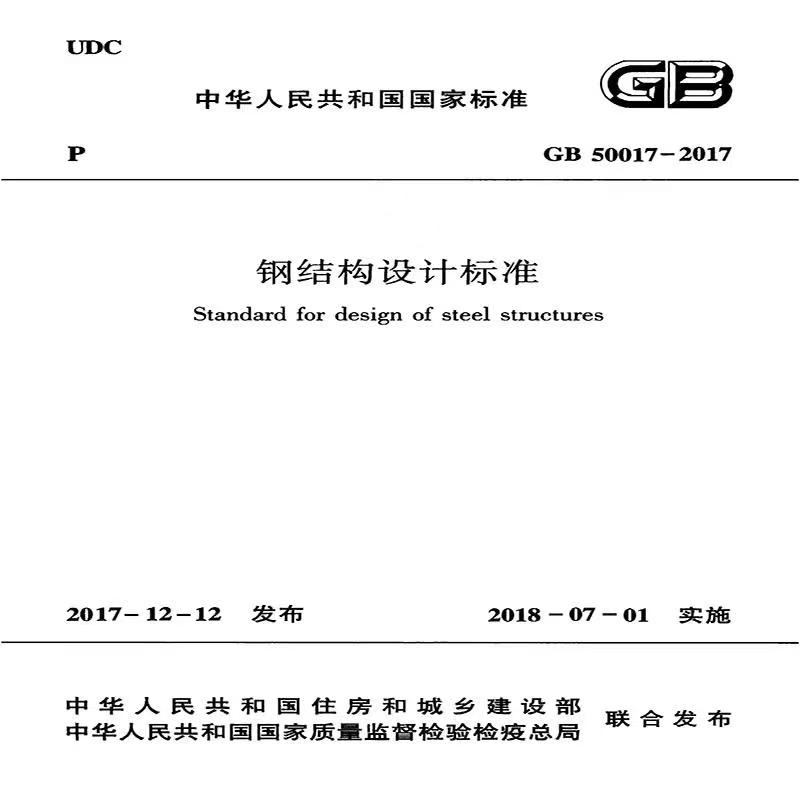
The Ministry of Housing and Urban-Rural Development officially put three revised national standards focusing on assembled building engineering into force on May 11, 2026. These revised specifications set stricter technical norms and comprehensive evaluation criteria for construction production, quality inspection and project acceptance of assembled buildings.
1. GB 50204-2026 Code for Acceptance of Construction Quality of Assembled Concrete Structures
2. GB/T 51129-2026 Assessment Standard for Prefabricated Buildings (2026 Edition)
3. GB 50755-2026 Code for Construction of Prefabricated Steel Structures
Among the three documents, GB 50755-2026 focusing on steel structure construction brings prominent revisions that reshape industrial development benchmarks. The mandatory prefabrication proportion of main structural components is raised from 50% to 60%, pushing forward large-scale factory prefabrication. Intelligent construction technology gains official recognition, and robotic welding technique is listed as standard construction method, meanwhile artificial intelligence welding detection needs to cover no less than 30% of overall working areas.
In terms of digital construction management, BIM models reaching LOD 4.0 and above can gain extra assessment points when calculating assembly efficiency. Besides, the standard tightens seismic resistance indicators, putting forward higher performance requirements for buildings constructed in regions with seismic intensity above grade seven. The upgraded technical thresholds will accelerate industrial optimization, phase out backward production capacity and drive overall technological iteration of the industry.
On May 7, 2026, People’s Government of Guangxi Zhuang Autonomous Region issued Guiding Opinions on Actively Promoting Steel Structure Buildings (Gui Zheng Ban Fa [2026] No. 23). This document stands as the most complete and supportive regional policy for steel structure industry development in recent years.
The local government has formulated multi-dimensional incentive measures to expand market application scenarios. All government-funded public projects covering an area over 20,000 square meters, including stadiums, airport supporting facilities and municipal comprehensive buildings, are required to adopt steel structure design preferentially. For residential projects, prefabricated external walls will not be counted into floor area ratio within limited proportion, with the deduction scope controlled under 3% of total building area.
Local authorities also launch fiscal subsidies to offset construction cost gaps, and home purchasers of steel structure residential buildings can enjoy favorable loan policies. In addition, the region rolls out supportive measures to foster integrated industrial chains covering architectural design, component manufacturing, on-site construction and later maintenance, and grants policy incentives to high-tech steel structure enterprises. Guangxi plans to form full-fledged industrial clusters and lift the penetration rate of steel structure buildings to 40% by 2028.
Powerful national macroeconomic policies provide solid financial guarantee for industrial expansion. A total of 4.4 trillion yuan local government special bonds will be issued in 2026, and fund resources will tilt towards major infrastructure construction and industrial renovation projects.
The country arranges 1.3 trillion yuan long-term special treasury bonds, among which 800 billion yuan is allocated for key priority engineering construction to support strategic industrial layout. Special funds are also distributed to clear outstanding payments of government projects, effectively optimizing capital circulation status and relieving fund pressure for downstream construction enterprises.
The implementation of new policies triggers profound adjustments across the whole industry. Demand for steel structure products keeps rising in public infrastructure, residential housing and industrial factory construction fields. Driven by policy guidance, manufacturers increase investment in intelligent transformation, widely applying robotic welding equipment, BIM digital management system and smart production workshops.
Green low-carbon development becomes compulsory requirement for industrial operation. Enterprises are obligated to adopt water-based environmental coatings, low-carbon raw materials and recyclable structural design schemes. Market competition further intensifies industry reshuffle, leading enterprises owning advanced technology and sufficient capital continuously expand market occupancy.
Leading corporations such as CSCEC Steel Structure and Beijing Steel Structure Group have built intelligent manufacturing bases complying with latest industrial standards. Small and medium-sized manufacturers are confronted with transformation pressure, and industrial merger and upgrading trend becomes increasingly obvious.
Relevant policy systems are highly compatible with national dual carbon targets and new urbanization construction layout. The steel structure industry is poised to evolve into core pillar industry of green, intelligent and industrialized construction sector. It is predicted that the total industrial output value of domestic steel structure trade will surpass 1.5 trillion yuan by 2027.
 Hot News
2026-05-15
2026-05-11
2026-05-16

 EN