Key Considerations for Residential Design Build

All Categories

residential design build

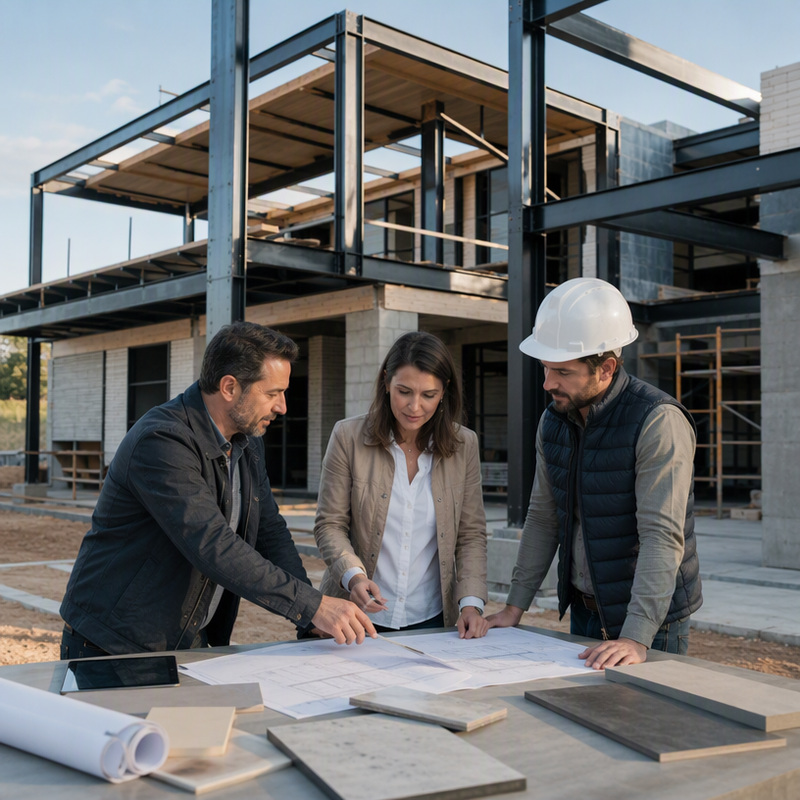
In the realm  of construction, the term “residential design build” refers to an  integrated approach where  the design and construction processes are combined into a  single  contract. This method streamlines  communication and enhances collaboration between stakeholders, leading to more efficient project  delivery. For B2B buyers  like purchasing managers, engineers, and contractors,  understanding  the various components  and specifications involved  in residential  design build  is paramount. This  article will delve into essential product  specifications, material  selections, sourcing  options, key steps in the process, and common challenges along  with their  solutions.
Key Factors in Residential Design Build Materials

Key Factors in Residential Design Build Materials

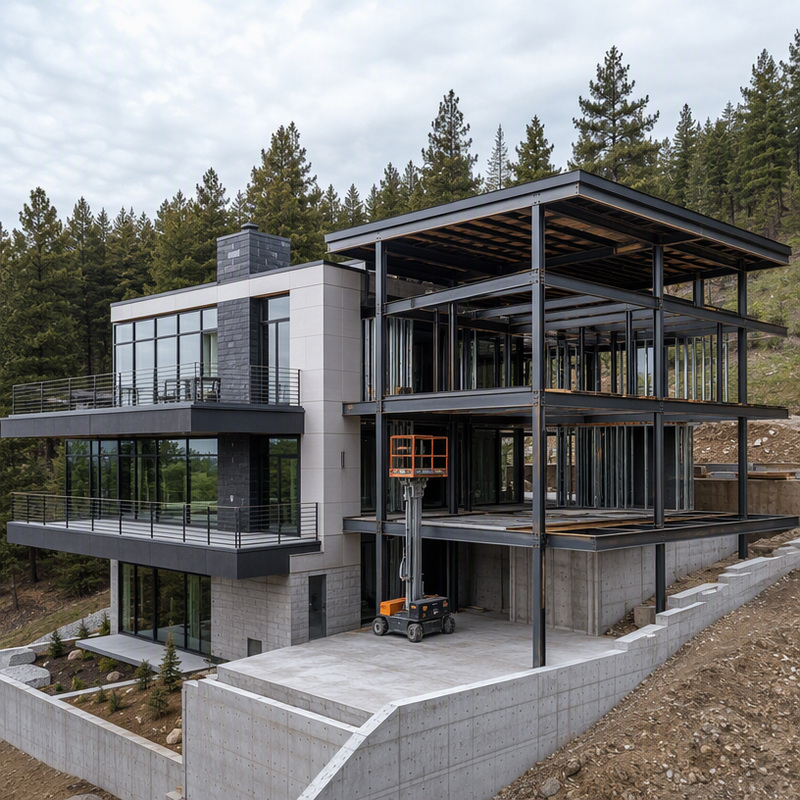
Material selection is a critical factor in any residential design build project. The  choice  of materials  not only affects the structural performance but  also the overall aesthetics and sustainability of the building. When evaluating materials, consider the following key factors:

Durability: Materials must withstand local weather conditions and potential wear over time. For example,  color steel profiled plates are often used for roofing due to their resistance to corrosion and UV degradation.

Thermal Insulation: Effective  insulation materials can significantly enhance energy efficiency. Buyers should look  for materials that meet or exceed energy codes relevant to their regions.

Cost-effectiveness: While initial costs  are important, the long-term value of materials should be  considered. Options like composite plates may offer higher upfront costs but  can lead to lower  maintenance expenses and  improved energy efficiency.

Sustainability: Increasingly, buyers are prioritizing eco-friendly materials.  Understanding the lifecycle of materials, from sourcing to  disposal, can influence  purchasing decisions. For instance, engaging with suppliers of Steel Structure Buildings can provide options that are not only durable but also sustainable.

Engaging with suppliers who can  provide detailed technical specifications and certifications for their  products will  aid in making informed decisions.
Where to Find Wholesale Options for Residential Design Build Components

Where to Find Wholesale Options for Residential Design Build Components

Sourcing materials at  wholesale prices can significantly reduce project costs. There are several avenues to explore when looking for wholesale options for residential design  build components:

Direct Manufacturers: Partnering with manufacturers like  Shenyang  Haibo  Weiye Light Steel Color Plate  Co.,  Ltd, which specializes in steel structures, is often  the  most  effective  way to secure  competitive pricing. Manufacturers typically offer bulk pricing, which can lead to significant savings.

Industry Trade Shows: Attending trade shows and expos can provide opportunities to meet suppliers, compare products, and  negotiate prices in person.

Online Marketplaces: Platforms that specialize in construction materials can provide access to multiple suppliers. However, it’s essential to verify the credibility of these suppliers to ensure product  quality.

Local Distributors: Establishing relationships with local distributors can facilitate timely access  to materials and support services. They often have insights into regional building codes and material availability.

When reaching out for quotes, buyers should be prepared to provide  detailed information such as product types, required dimensions, and projected quantities  to ensure  accurate pricing.

Essential Steps

Essential Steps

Navigating the residential design build process involves several key steps that can help streamline project execution:

Define Project Scope:  Clearly outline  the  project requirements including design preferences, budget constraints, and timelines. This  will guide all subsequent decisions.

Select a Design-Build Team: Choose a competent team that  includes architects, engineers, and contractors  who are experienced in residential design build projects.

Material Selection: Based  on the defined scope, select appropriate materials that meet both functional  and aesthetic requirements. Ensure that all specifications are validated against project needs.

Obtain Necessary Permits: Before construction begins,  ensure that all local building permits and approvals are secured  to  comply  with regulations.

Execute the Build: With the design and materials approved, the construction phase can commence. Regular communication among team members will be crucial during this phase  to  address any  arising issues promptly.

Quality Assurance: Implement quality control measures throughout the construction process to  ensure that materials and  workmanship meet the specified standards.

Final Inspection:  Conduct a thorough inspection upon completion to confirm that all aspects of the project align with original specifications and quality expectations.

Common Problems in Residential Design Build and Their Solutions

Despite  careful planning, challenges  can arise during residential design  build projects. Here are some common problems  and their solutions:

Material Availability Delays: Unforeseen delays in  material delivery can disrupt project timelines. To mitigate this risk, establish strong relationships with suppliers and consider  sourcing from multiple vendors when possible.

Design Changes: Modifications during  construction can lead to increased costs and extended timelines. To manage this, ensure that the design phase is thoroughly vetted, and maintain clear communication throughout the project  to minimize changes.

Quality Control Issues:  Inconsistent quality of materials can compromise the integrity of the build. Implement a strict quality inspection protocol at  every stage of the process, including pre-production  sample approvals for critical materials.

Regulatory Compliance: Failing to meet local building codes can lead to  costly rework. Engage with local authorities early  in the planning process to ensure all design elements comply with regulations.

By anticipating these challenges and having contingency  plans in place,  buyers can navigate  the complexities of residential design build projects more effectively. Understanding the nuances of residential design build—from product specifications and  material selection to sourcing and common pitfalls—empowers B2B buyers to make informed decisions. Engaging with experienced manufacturers and suppliers, especially those offering Commercial Metal Building Kits, is crucial in achieving project success and ensuring that the final construction meets both functional and aesthetic expectations.

Understanding Product Specifications for Residential Design Build Solutions

When engaging in  residential design  build projects,  it’s critical to  comprehend the specific product specifications that will influence the  structural integrity and aesthetics of the construction. Key  specifications include the type of materials (like  H section steel,  composite plates, or color steel profiled plates), dimensions, and load-bearing capacities.

For instance, the selection of H  section steel is often  favored for its strength-to-weight ratio, making it ideal for frameworks that require durability without excessive  weight. Buyers should evaluate the  thickness of the steel, which  can affect its performance under various loads. A thicker  plate may provide better structural support but could also increase costs. Additionally, understanding the  surface  treatment options, such as galvanization or  painting, is essential for ensuring longevity  and resistance to environmental  factors. Buyers should always confirm that  specifications align with local building codes and standards.

Frequently Asked Questions

What services are included in your residential design build?

We provide integrated residential design, production and construction management, using in-house steel structure fabrication and installation for complete design-build solutions.
We supply H section steel, box columns, beams, steel trusses, composite plates, color profiled plates and purlins for residential projects.
Yes. Our design team works with clients to customize structural layouts and plate profiles to meet project requirements and local codes.
We have advanced steel structure lines, CNC and welding equipment enabling high-volume, precise fabrication for diverse residential engineering scenarios.
We control design, production and sales in-house, apply standardized fabrication processes and large annual output capacity to meet quality and delivery timelines.

Get a Free Quote

Our representative will contact you soon.
Email
Name
Company Name
Message
0/1000

Related product categories

Get a Free Quote

Our representative will contact you soon.
Email
Name
Company Name
Message
0/1000