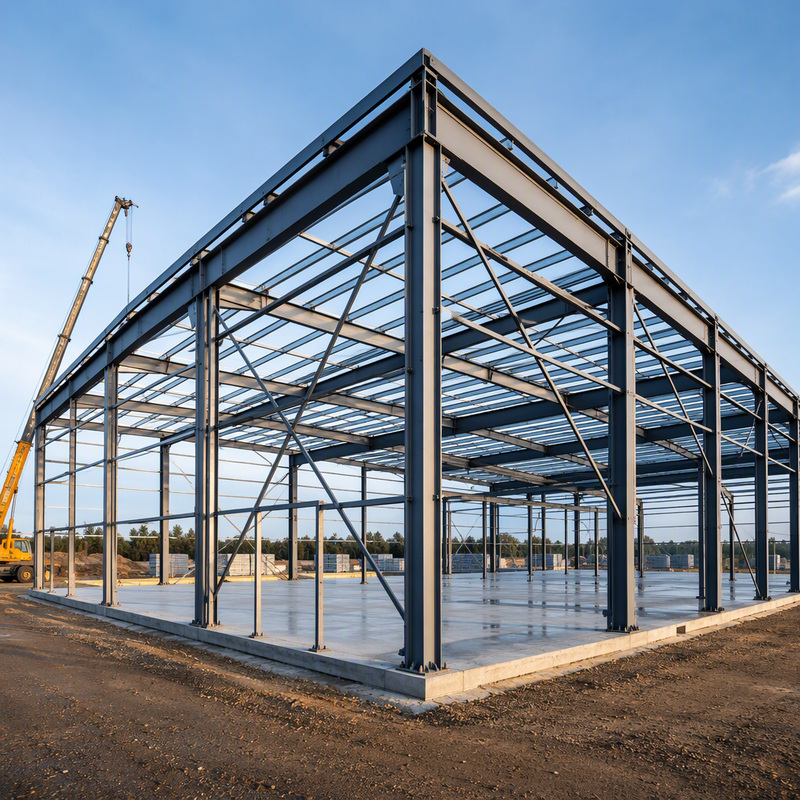
High-Quality Framed Structures for B2B Projects

All Categories

framed structures

Framed structures  are critical components  in  various industries, serving as the  backbone for buildings, bridges,  and other engineering projects. As a  key player in  the  manufacturing of  framed  structures, Shenyang Haibo Weiye Light Steel Color Plate Co., Ltd offers  a range  of products including  H section steel, box columns, and steel  trusses. For B2B buyers, understanding the specifications, materials, and  supplier options  available can significantly impact project success.  This article will help purchasing managers,  engineers, and product managers navigate the essential aspects of selecting and procuring high-quality  framed  structures.
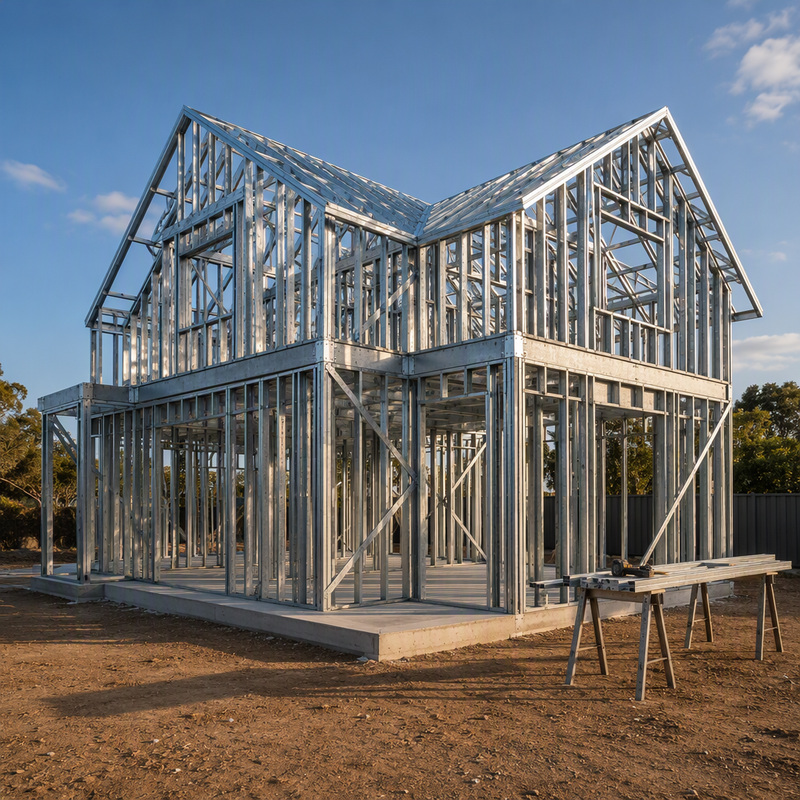
Where to Find Reliable Suppliers of Framed Structures

Where to Find Reliable Suppliers of Framed Structures

Finding a trustworthy  supplier of framed structures involves researching manufacturers with proven  expertise  and capabilities.

Industry Reputation: Look  for suppliers with a strong reputation in the industry. Reading customer reviews and  case studies can provide insights into their reliability and product quality.

Certifications: Verify  any certifications the supplier  holds,  such as ISO 9001 for quality management systems. These certifications indicate a  commitment to maintaining  high standards.

Production Capabilities: Assess whether the supplier has advanced manufacturing  equipment, such as CNC machines and welding technology, which  can impact the precision and quality of the framed structures.


Customization Options: Inquire about  the supplier's ability to customize  products according to specific project needs. A flexible supplier can adapt to unique requirements, enhancing project efficiency.

Export Experience: For international buyers, it's beneficial to choose  suppliers experienced in export procedures. This can simplify logistics, customs processes, and compliance with regulations.


By considering  these factors, buyers  can identify reliable suppliers that align with their project goals.
&nbsp
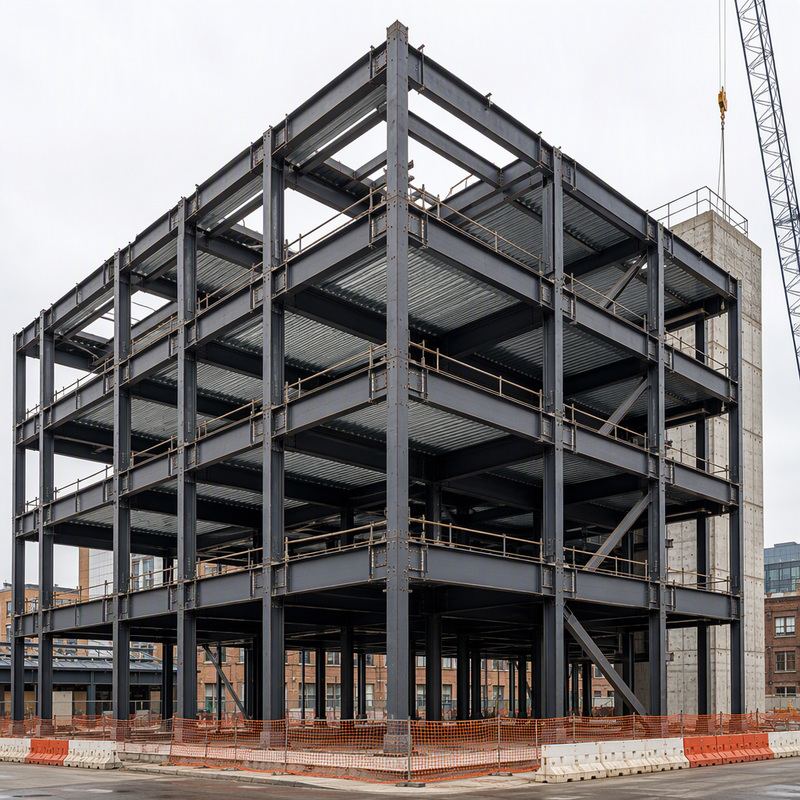
Comparing Material Advantages in Framed Structures

Comparing Material Advantages in Framed Structures

Material selection plays a significant role in the performance of framed  structures. Here’s a comparison of common materials used:

Steel: Known for  its high strength-to-weight ratio, steel is a popular  choice. It offers excellent load-bearing capacity and  durability. However, it may require additional treatments for corrosion  resistance.

Aluminum: Lighter than steel, aluminum is  corrosion-resistant and easy to work with.  It is suitable  for applications where weight is a concern, but its load capacity is  typically lower than that of  steel.

Composite Materials: These  combine materials like fiberglass and resin  to create lightweight,  strong structures. They are often used in specialized applications such as  aerospace  or marine but may come at a higher cost.

Reinforced Concrete: While not a traditional framed structure  material, reinforced concrete can offer excellent  durability and load capacity. It’s often used in combination with steel for hybrid structures.

Each material has its  advantages and disadvantages, and  the choice should be based on specific project requirements, including  load specifications, environmental conditions, and cost considerations.

Wholesale Options for Bulk Orders of Framed Structures

Wholesale Options for Bulk Orders of Framed Structures

Bulk purchasing of  framed structures can lead to significant cost savings and  logistical efficiencies. Here are some factors  to consider:

Minimum Order Quantity (MOQ): Suppliers often have MOQs for wholesale orders.  Buyers should confirm these quantities to avoid unexpected costs.

Pricing Structures: Negotiate pricing based on order  volume. Suppliers may offer tiered pricing, where larger orders yield lower per-unit costs.

Lead Times:  Bulk  orders  can affect lead times. Discuss production  schedules with suppliers  to align delivery with project timelines.

Shipping and Packaging:  Understand how bulk orders will be packaged and shipped. Proper packaging  is essential to  prevent damage during transit, and knowing shipping costs upfront can aid in budgeting.

Payment Terms: Establish clear payment terms,  which can vary significantly for bulk orders. Some suppliers may  offer flexible financing options, which can be beneficial for  managing cash flow.

By  addressing these considerations, buyers  can streamline their procurement process and  achieve better overall  value.

Solutions to Typical Problems with Framed Structures

Framed structures can present various challenges throughout their lifecycle. Here are common problems and their  solutions:

Misalignment During Assembly:  This can lead  to structural weaknesses. Ensuring accurate measurements and using precision tools during fabrication  can prevent misalignment.

Corrosion: Exposure to  harsh environments can lead to corrosion. Selecting appropriate surface treatments and regularly inspecting for wear can mitigate this  issue.

Load Capacity Issues: If a  structure does not meet load  requirements, it can lead to failure. Conducting thorough load assessments and  consulting with structural engineers during the design phase can  address potential  issues.


Supply Chain Delays: Unforeseen delays in material  supply can impact project timelines. Establishing a strong relationship with suppliers and maintaining open communication can help anticipate and mitigate delays.

Quality Control Failures: Inconsistent quality can  arise from poor  manufacturing practices. Implementing rigorous quality control measures, such as inspections at various production stages, can ensure that products meet specifications.

By proactively addressing these common  problems, buyers and project managers can enhance the reliability and performance of framed structures in their projects, particularly by choosing reliable options like prefabricated steel structures.

This comprehensive understanding  of framed structures, from specifications to supplier selection and common challenges, can empower B2B buyers to  make  informed decisions that align with their project needs.


Key Specifications for High-Quality Framed Structures

When evaluating framed structures,  several key specifications must be considered.

Material Type: The choice between steel  grades, such  as Q235 or Q345, can affect  strength, ductility, and weldability.  Higher-grade materials may offer enhanced  performance in demanding applications, while lower grades may suffice for  less  critical structures.

Dimensions and Tolerances: Accurate dimensions are essential  for structural integrity and compatibility with other components. Buyers should  specify tolerances to ensure proper fit during assembly.

Load-Bearing  Capacity: Understanding the expected loads—dynamic and  static—is crucial. Buyers should assess the structure’s load-bearing capacity in relation to the intended application to avoid  structural failures.

Surface Treatment: Corrosion resistance is  vital, especially in outdoor or industrial environments. Coating options like  galvanization or powder coating can enhance durability.

Fabrication Method: The manufacturing process—whether  welding,  bolting, or riveting—can influence the final product's strength and  application suitability. Buyers should evaluate the method based on their project requirements, such as using laser-cut steel gusset plates for enhanced structural integrity.

By meticulously considering these specifications, buyers  can ensure that their framed structures meet performance and  safety standards.

Frequently Asked Questions

What are your framed structures made of?

Our framed structures use high-quality H-section steel, box columns, beams, steel trusses and composite plates produced on advanced steel structure lines and CNC/welding equipment.
They suit industrial buildings, bridges, warehouses, commercial halls and customized construction projects requiring high strength and durability.
Yes. We integrate design, production and sales and can tailor dimensions, profiles and coatings to meet specific project requirements.
We apply strict production oversight with CNC precision, welding support equipment and material inspections to ensure structural integrity and compliance with project specs.
As a major Northeast China processor with large annual output, lead time varies by order size; contact us with project details for an estimated schedule and delivery plan.

Get a Free Quote

Our representative will contact you soon.
Email
Name
Company Name
Message
0/1000

Related product categories

Get a Free Quote

Our representative will contact you soon.
Email
Name
Company Name
Message
0/1000