Choosing the Right Steel Carport Roof: Key Insights

All Categories

steel carport roof

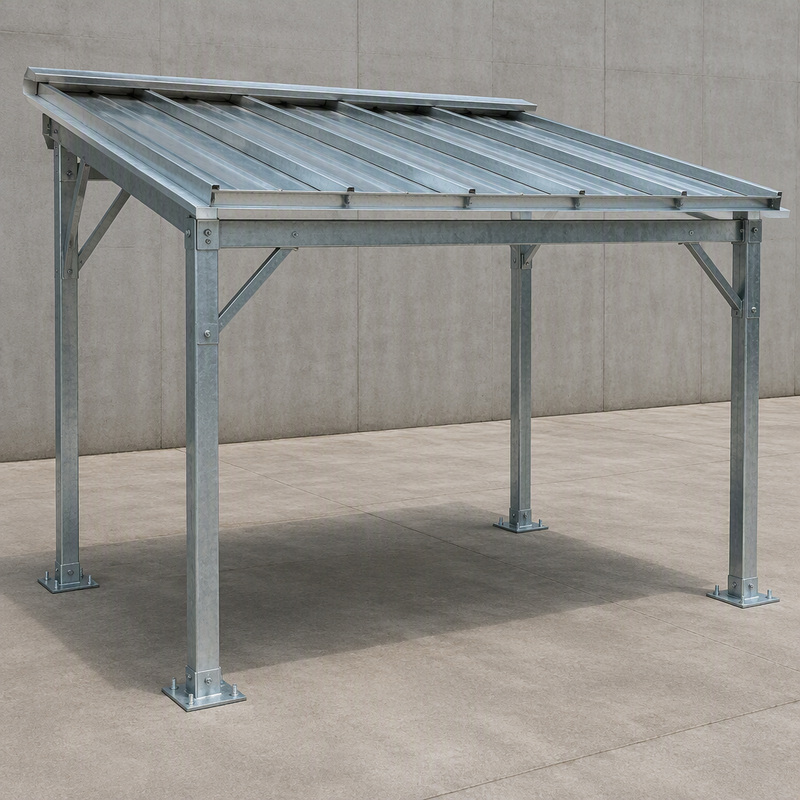
When  considering a steel  carport roof for your  project,  it's  essential to  understand  its role  in  providing  durable and  reliable shelter for vehicles and equipment. Steel carports are favored  for their strength, longevity, and low maintenance requirements. However, buyers often have concerns regarding material quality, structural integrity,  and compatibility with their  specific needs. This article  will guide you through critical considerations when selecting  a steel carport  roof, focusing  on  specifications, quality evaluation, common problems,  and essential knowledge for buyers.
Key Specifications of Steel Carport Roofs for Bulk Orders

Key Specifications of Steel Carport Roofs for Bulk Orders

When ordering steel  carport roofs in bulk, certain specifications are crucial to ensure uniformity and quality  across all units. Key  specifications  include:

Thickness: The steel  gauge typically ranges  from 24 to  29, with lower numbers indicating thicker steel. Thicker steel offers better durability and resistance to impact.

Coating  Type: Look for roofs with  a zinc coating (galvanization)  or a polyvinyl chloride  (PVC) coating that provides enhanced protection against corrosion.

Dimensions:  Specify the exact length, width, and  height of the carport. Custom dimensions may incur additional costs but will ensure a  perfect fit for the intended space.

Load Capacity:  Understand the  load requirements for your  specific application, including snow, wind, and any potential equipment that may be stored underneath.

Finish: The surface treatment can affect both aesthetic appeal and durability. Options may  include paint finishes or textured surfaces that can enhance resistance to scratching and fading.

Fulfilling  these specifications helps  ensure that the steel carport roof meets both structural and aesthetic needs.
How to Evaluate the Quality of Steel Carport Roof Products

How to Evaluate the Quality of Steel Carport Roof Products

To evaluate the quality of steel carport roof  products,  buyers should consider several factors:

Certification and Standards: Ensure that the manufacturer adheres to recognized industry standards and certifications. This may include ISO certification or compliance with local building  codes.

Material Composition: High-quality steel should have a specified tensile  strength. Ask for material test reports to confirm that it meets the necessary load-bearing requirements.

Production Process: Understanding the manufacturing  process can provide insights into quality. Look  for manufacturers who  employ advanced production techniques, such as CNC cutting and robotic welding, which enhance precision and consistency.


Quality Control Protocols:  Inquire about the manufacturer’s quality assurance practices.  Regular inspections during production and before shipment  can help ensure that each  unit meets the specified standards.

Warranty: A robust warranty policy indicates confidence in  product quality. Ensure the  warranty covers both  materials and workmanship for an extended period.

By focusing on these aspects, you can make  an informed decision and select a product  that  meets your project’s  quality  standards.

What Buyers Need to Know

What Buyers Need to Know

Before placing an order for a steel carport  roof, buyers  should prepare by gathering  specific information that  will facilitate  a smooth purchasing  process. Key details to  consider include:

Project Requirements: Clearly outline your project’s specifications, including dimensions, load requirements, and intended use for the  carport.

Quantity: Determine the  number of units needed, as bulk orders may qualify for discounts.

Customization  Needs: If  you  require tailored dimensions or finishes, communicate these requirements early in the discussion.

Delivery and Installation: Understand the lead times for production and shipping. Additionally, clarify whether the  manufacturer provides  installation services  or if you will need to hire external contractors.

Pricing Factors: Be aware  that pricing can be affected by  factors such as material quality, customization options, and order quantity. Request detailed quotes to compare  offers from different suppliers.


Being  well-prepared with this information will streamline the procurement process and ensure that your project stays on track.

Common Problems with Steel Carport Roofs and Their Solutions

Despite their durability, steel  carport roofs can encounter several common issues. Understanding these problems and their solutions can help you maintain the integrity  of your investment:

Corrosion:  Even galvanized steel can corrode  if the protective coating is compromised. Regular maintenance, including inspections and touch-ups of any damaged areas, can  prevent significant  deterioration.

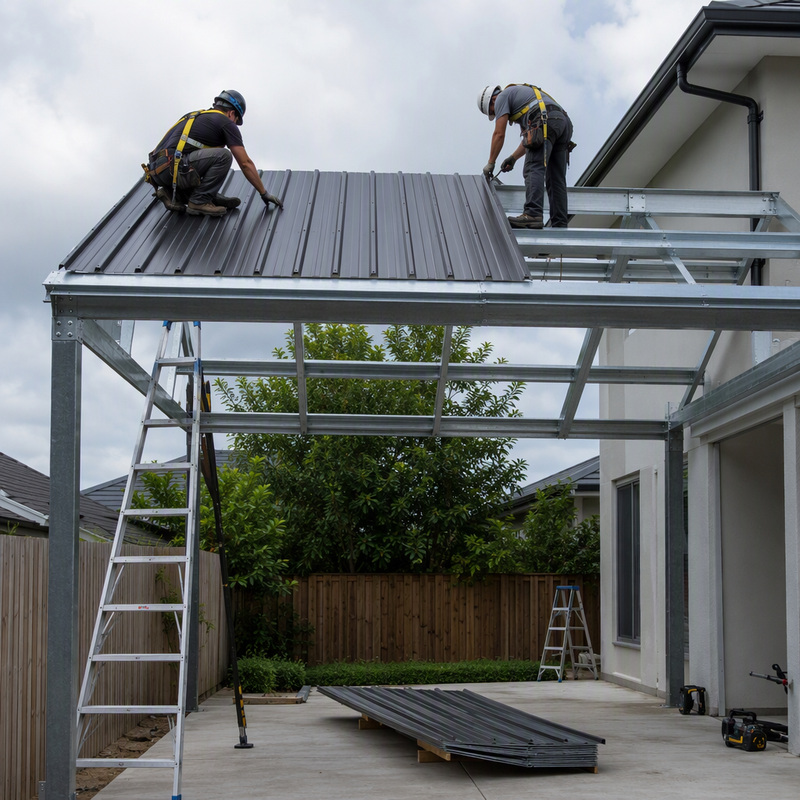
Leaking: Poor installation or worn-out seals can lead to leaks. Ensure  that the roof is  installed by  qualified professionals and  conduct periodic inspections to identify and  seal any gaps.

Structural Weakness: Inadequate load-bearing capacity may lead to sagging or structural failure under heavy snow or wind loads. Make sure to select a roof that meets  the required load specifications for your area and conduct regular structural assessments.

Denting: While steel is strong, it can still dent under impact.  Choose thicker materials  for areas prone to impact, and consider adding protective barriers if necessary.

Fading: Over time, exposure  to UV rays can cause paint and finishes to fade. Opt  for high-quality finishes that are  UV resistant and consider reapplying protective coatings periodically.


Addressing these common  issues proactively can extend the lifespan of your steel carport roof  and enhance its performance.

What to Consider When Choosing a Steel Carport Roof for Your Projec

Selecting the right steel carport roof involves several critical factors. First, consider the material type; galvanized steel is a  popular choice due to  its resistance to rust  and corrosion. Ensure the steel has a protective coating to enhance longevity, especially in harsh weather  conditions. Additionally, when considering various structures, you might want to explore Steel Structure Buildings for more options.

Next,  evaluate the design  and  dimensions of the carport. The  roof should  be appropriately  sloped to allow for rain runoff and snow load management. Check if your intended design accommodates local climate conditions; for example, heavier snow loads may require thicker steel  or additional structural support.


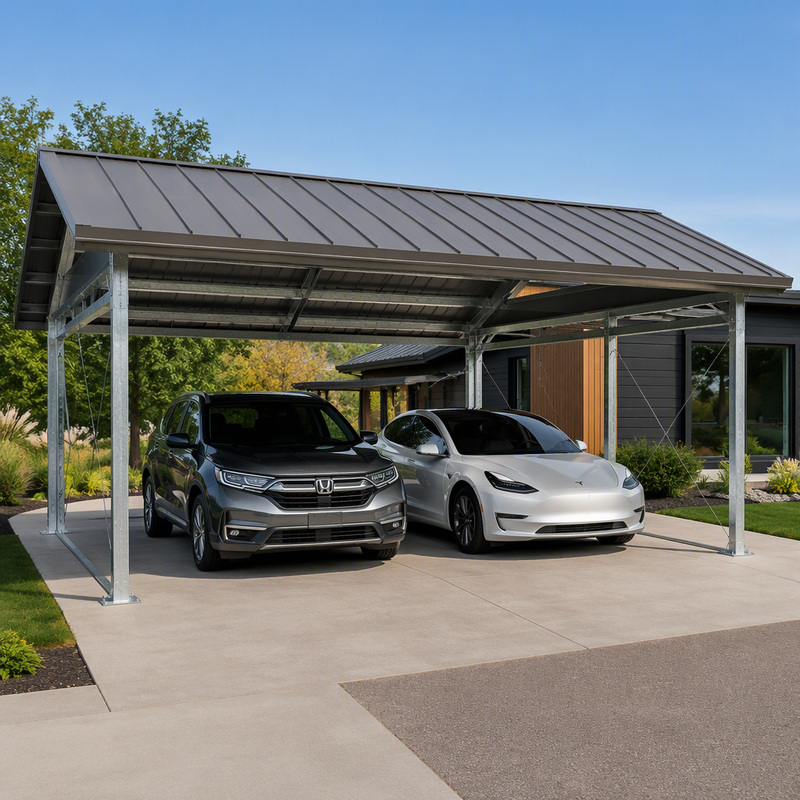
Lastly, consider customization  options. Many manufacturers can tailor dimensions, colors, and finishes  to meet specific project requirements. This flexibility can  help ensure that  the  steel carport roof  complements  your overall architectural  aesthetic, particularly if you are considering Commercial Metal Building Kits for a more integrated look.

Frequently Asked Questions

What is a steel carport roof made of?

Our steel carport roofs use high-strength H-section steel, box columns, beams and color steel profiled plates for durable, weather-resistant coverage.
Yes. We offer custom sizes, truss types, purlin layouts and color options to fit site requirements and load specifications.
Lead time varies by order size, but typical production for standard carport roofs ranges from 2–6 weeks depending on complexity and quantity.
Yes. We design and fabricate steel trusses and supports to meet regional wind and snow loads; structural calculations are provided per project.
We supply detailed assembly drawings, CNC-cut components and welding-ready parts; installation support or site supervision can be arranged on request.

Get a Free Quote

Our representative will contact you soon.
Email
Name
Company Name
Message
0/1000

Related product categories

Get a Free Quote

Our representative will contact you soon.
Email
Name
Company Name
Message
0/1000