EN
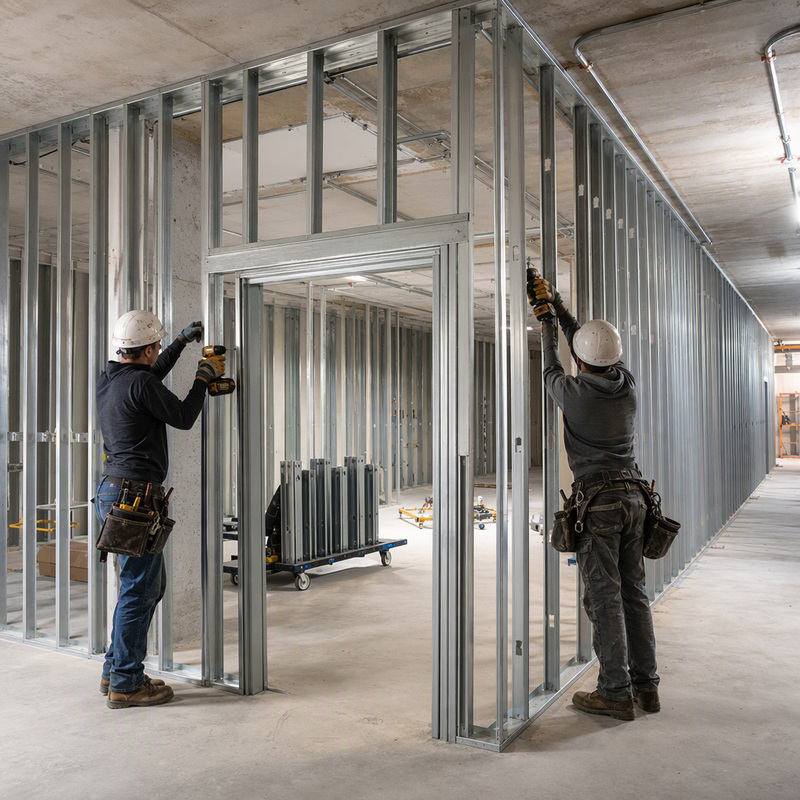
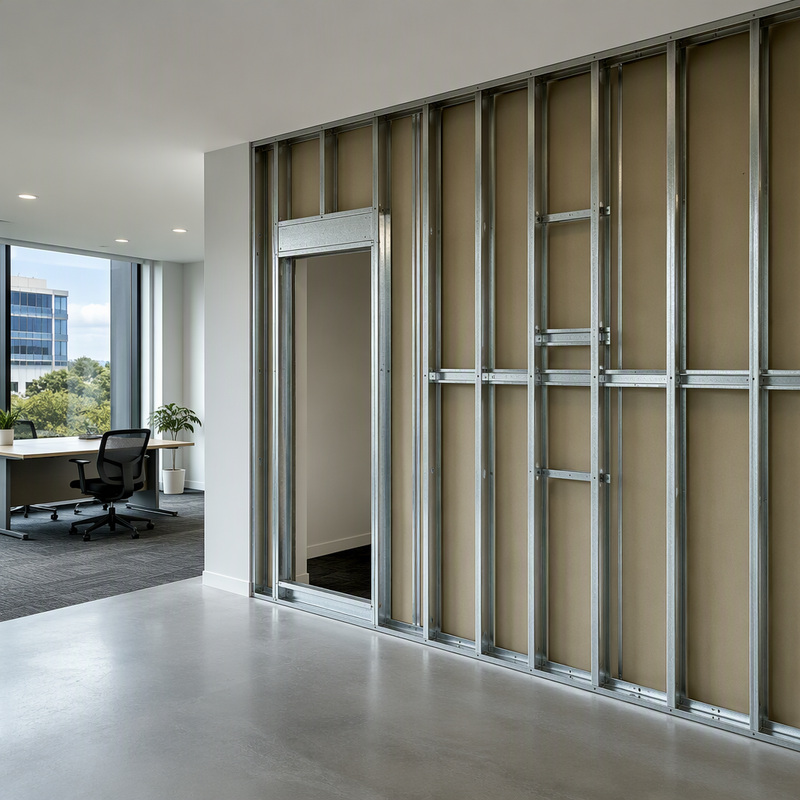
Metal framing walls have become a preferred choice in the construction industry due to their strength, versatility, and efficiency in various applications. As a B2B buyer, understanding the specifications, costs, installation processes, and potential issues associated with metal framing walls is crucial for making informed purchasing decisions. This article will help you navigate these aspects, ensuring you choose the right metal framing wall products for your projects.<a href="/steel-structure-buildings">Steel Structure Buildings can also benefit from metal framing solutions.
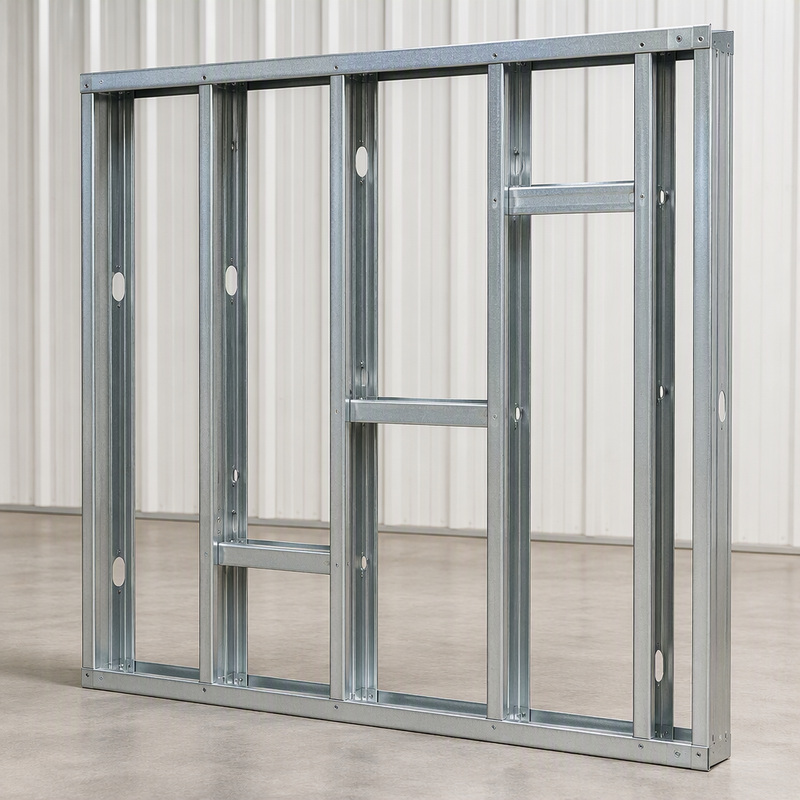
Understanding the Cost Factors of Metal Framing Walls
The cost of metal framing walls can vary significantly based on several factors:
Material Costs: The price of steel fluctuates based on market conditions, which can influence the overall cost of metal framing walls. Galvanized steel typically incurs a premium compared to uncoated options due to its corrosion resistance.
Customization: If your project requires custom dimensions or special coatings, expect additional costs. Customization can enhance functionality, but it may also extend lead times and increase per-unit pricing.
Volume and MOQ: The minimum order quantity (MOQ) can affect pricing. Bulk orders often come with discounts, so it's essential to evaluate your project's scale and your supplier’s pricing tiers.
Shipping and Handling: Transportation costs can vary depending on the distance from the manufacturing facility, the size of the order, and any specific shipping requirements.
Installation Costs: Consider the costs associated with installation. While metal framing is generally faster to install than traditional wood frames, labor rates may vary based on the complexity of the installation and local labor markets.
Understanding these factors will help you budget effectively and compare quotes from different suppliers.