Choosing Quality Metal Frame Walls for Projects

All Categories

metal frame walls

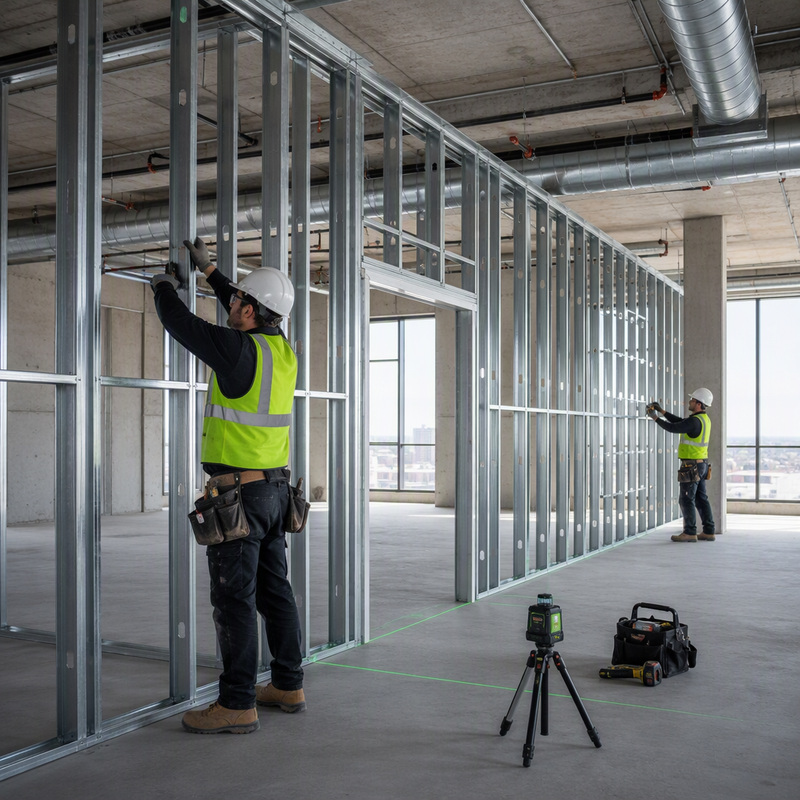
Metal frame walls  are a modern construction  solution that combines durability, versatility, and  efficiency. These walls, made from steel or  other metal materials, are increasingly favored for their structural strength and lightweight  properties. B2B  buyers, including purchasing managers and  engineers, often seek  clarity  on specifications, application suitability, and supplier  reliability  to  make informed decisions.  This  article  will  guide you through  essential aspects of metal frame walls, helping  you  navigate your purchasing process  effectively.
What You Need to Know

What You Need to Know

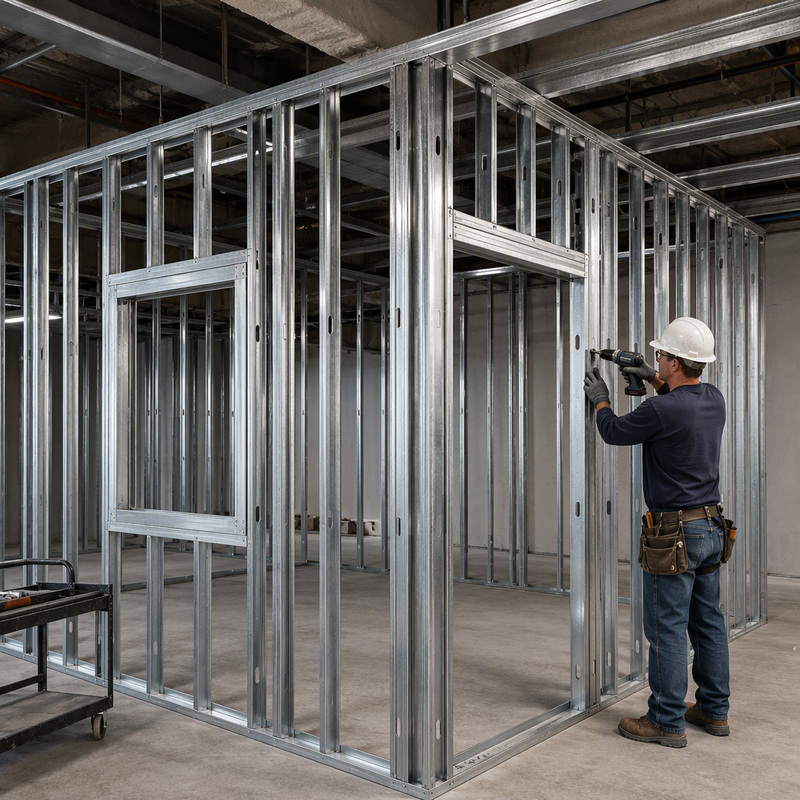
Understanding key specifications and industry standards is vital  when dealing with metal frame walls. Here  are  several important  considerations:

Dimensions and Thickness: Wall  dimensions and thickness affect  the  overall strength and thermal performance.  Common thicknesses for  metal frame walls range from 0.5  mm  to  3 mm, depending on the application. Ensure that the specifications  align with your structural requirements.

Manufacturing Processes: Familiarize yourself with  the manufacturing methods of metal frame walls. Advanced techniques  such as CNC machining and precision welding ensure  high-quality production. This can significantly impact the wall's durability and fit during installation.

Quality Control: A reliable supplier should have  stringent quality  control measures in place. Ask about their testing protocols, certifications, and compliance with industry standards. This is crucial to ensure that the products meet  your performance  expectations.
Reliable Suppliers of Metal Frame Walls

Reliable Suppliers of Metal Frame Walls

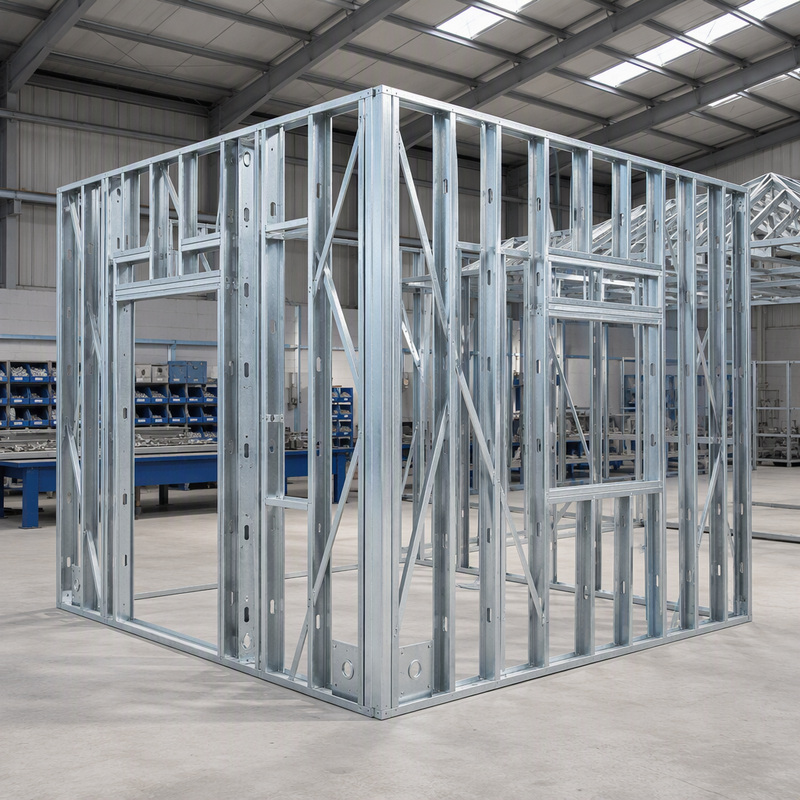
Finding a  trustworthy supplier is essential to securing quality metal frame walls. Look for manufacturers with a proven  track record in the industry. Consider the following when  evaluating potential suppliers:

Experience and Expertise: Suppliers like Shenyang Haibo Weiye Light Steel Color Plate  Co., Ltd, with extensive experience in the manufacturing of steel structures, can offer valuable insights and  reliable products.


Production  Capacity:  Assess the supplier’s  production capabilities  to  ensure they can meet your project timelines. High-capacity manufacturers are often better  equipped to handle  large  orders without compromising quality.

Customer Support: A supplier that offers  comprehensive customer support, from initial consultation  to post-purchase assistance, can greatly enhance  your  purchasing experience. Be sure to inquire about their  responsiveness and willingness to address  your concerns.

Best Practices

Best Practices

Adopting best practices when  working with  metal frame walls can streamline your project and  reduce potential issues:


Sample Approval: Before finalizing orders,  request samples to inspect the  material quality and ensure it meets your standards.  This step helps to confirm  dimensions,  surface finish,  and overall performance.

Installation Guidelines: Obtain detailed installation instructions from  your supplier. Proper installation is crucial for maintaining the structural  integrity of metal  frame  walls and ensuring they perform as intended.


Regular  Inspections: Implement a  schedule for regular inspections  during and after installation. This proactive  approach can help  identify any issues early on, ensuring long-term durability.

Metal Frame Walls vs. Traditional Materials

Metal frame walls offer several advantages over traditional building materials such  as wood or masonry:

Strength-to-Weight  Ratio:  Metal frames provide superior  strength while being significantly lighter than traditional materials. This property allows for easier handling and installation, reducing labor costs.

Durability: Unlike wood, metal is resistant to  rot, pests,  and warping. This longevity can lead to lower maintenance costs over the building's  lifecycle.

Design Flexibility: Metal frame walls can be easily customized to fit  various  architectural designs  and applications,  offering greater versatility compared to more rigid traditional materials.

Sustainability: Many metal products are recyclable, making  them  a  more sustainable  option  compared to traditional materials. This aspect can be appealing  for  projects with an emphasis on environmental responsibility.

In summary, metal frame walls are an excellent choice for a wide range of construction applications. By understanding their specifications, carefully selecting suppliers,  and following best practices, you can ensure that your projects are successful and  efficient.

How to Choose Quality Metal Frame Walls for Your Projects

Selecting quality  metal frame walls requires a thorough understanding  of your project's specific needs. Key  factors to consider include the material composition, structural  integrity, and compatibility  with other building components.

Material  Composition: Metal frame walls can  be made from various types of steel, including  galvanized, stainless, and mild steel.  The choice of material affects the wall's  corrosion resistance, weight, and  thermal properties. For example, galvanized steel is ideal for environments with high moisture levels due to its protective coating. If you're considering constructing large facilities, you might want to explore Warehouses & Logistics Centers that utilize metal frame walls for durability.

Structural Integrity: Evaluate the load-bearing capacity of the walls.  This is crucial for ensuring  that the frames can support the intended loads  without risk of failure. Consult with  your supplier about  the specific load requirements  for your application.

Compatibility and Customization: Ensure the metal frame walls  you choose will integrate seamlessly with your existing construction elements, such  as insulation, finish materials, and mechanical systems. Many suppliers, including Shenyang Haibo Weiye Light Steel Color Plate Co., Ltd, offer customization options to  meet specific project needs. Additionally, consider the use of Steel Structure Buildings that can complement your design.

Frequently Asked Questions

What are metal frame walls used for?

Metal frame walls provide structural support, partitioning, and exterior cladding for industrial, commercial, and residential projects. They suit steel buildings, bridges, trusses, and composite panel systems.
We use H-section steel, box columns, beams, steel trusses, purlins and composite/color profiled plates manufactured on our CNC and welding lines.
Yes. We design and produce custom sizes, section types, coating colors, and connection details to meet specific engineering and architectural requirements.
Production follows strict fabrication processes with CNC precision, welding inspection, dimensional checks and material certification to ensure strength and durability.
Lead time depends on scope; small orders ship faster while large engineering batches require production scheduling. As a major regional processor we handle large annual output and coordinated delivery.

Get a Free Quote

Our representative will contact you soon.
Email
Name
Company Name
Message
0/1000

Related product categories

Get a Free Quote

Our representative will contact you soon.
Email
Name
Company Name
Message
0/1000