
Low-Cost Warehouse Construction: Key Insights

All Categories

low cost warehouse construction

Low-cost warehouse construction  is  an essential consideration for  businesses looking  to  expand  their storage capabilities without  incurring excessive  expenses. As purchasing  managers  and engineers assess their options, they often  focus on the balance  between quality and cost,  ensuring the selected materials meet both  budgetary constraints and operational needs. This  article will provide insights into key specifications, cost comparisons, installation guidance,  and the advantages  of using steel in low-cost warehouse construction,  helping  you make informed  decisions in your procurement process.
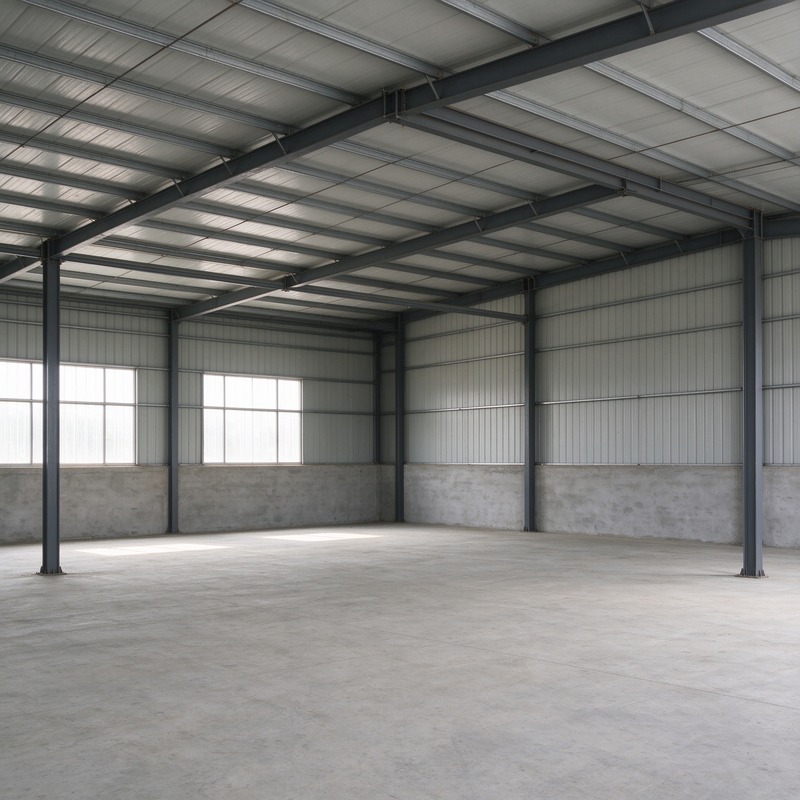
Compare Quality and Cost in Low-Cost Warehouse Construction Options

Compare Quality and Cost in Low-Cost Warehouse Construction Options

Evaluating the  quality and cost  of materials for warehouse construction requires a careful comparison of various options.

Material Costs: While low-cost options may initially appear attractive,  it’s essential to assess the overall value. For instance, cheaper materials may lead to higher maintenance costs or shorter lifespans,  negating initial savings. Buyers should consider the total cost of  ownership, including installation, maintenance, and  potential replacements.

Quality  Assurance: Look  for suppliers who  have robust quality  control processes. This may include inspections at various production stages, testing of  materials, and assurance  of  compliance with industry specifications. A reputable manufacturer, like Shenyang  Haibo Weiye, often provides detailed documentation regarding their quality assurance processes.

Customization  and  Flexibility: Suppliers that offer customization options can  better meet specific project requirements, which may enhance the overall quality of the construction. While customizations may increase upfront costs, they can lead to better structural performance and reduced long-term expenses.


Long-term Performance: Consider how the chosen materials will  perform over  time. For example, steel’s strength allows for larger spans and flexible layouts, which can optimize warehouse functionality and reduce operational disruptions.
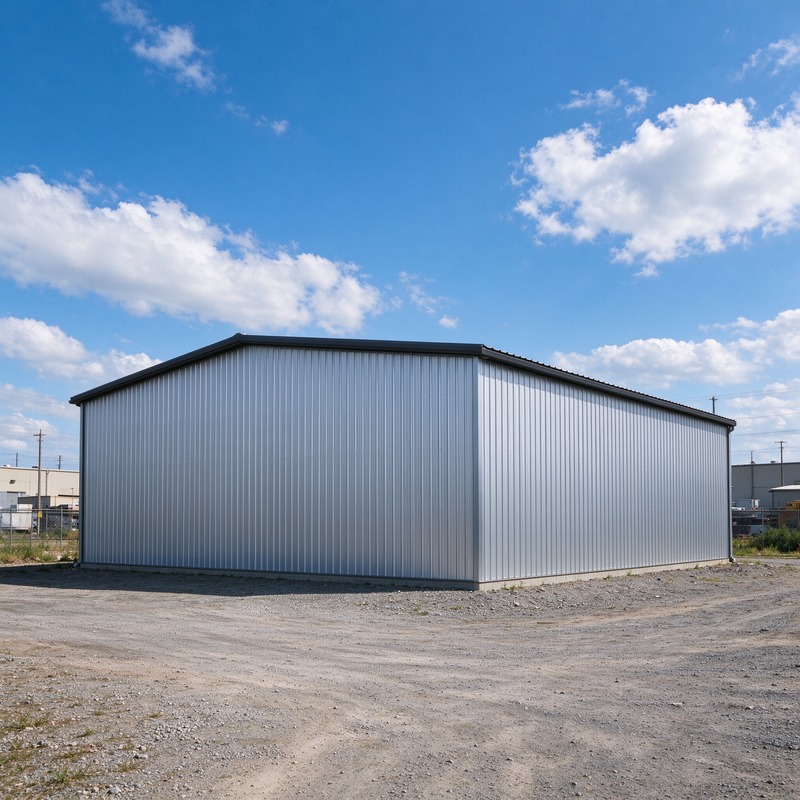
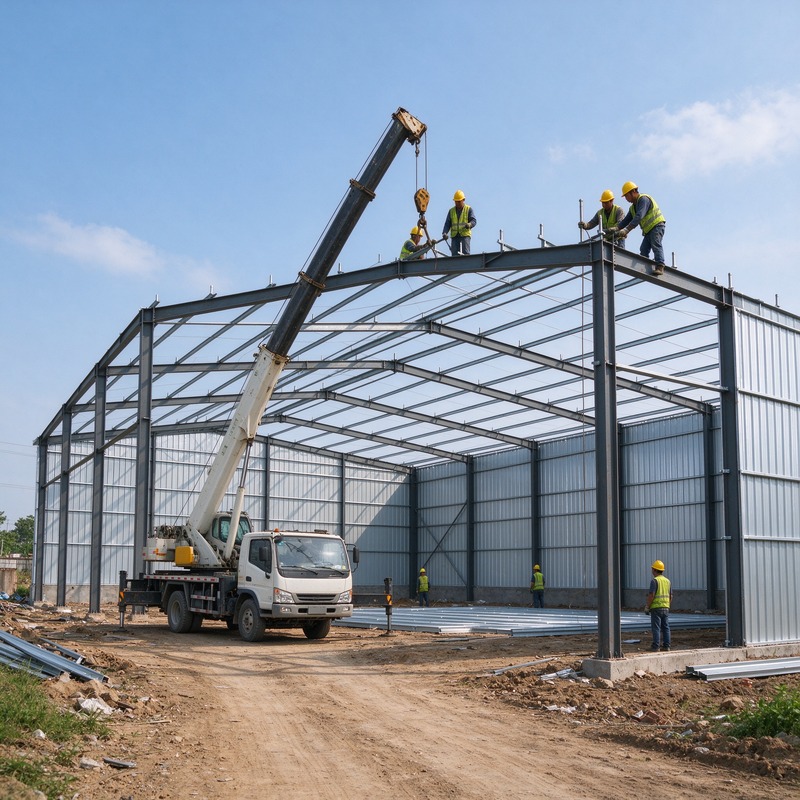
Installation Guidance for Low-Cost Warehouse Construction Projects

Installation Guidance for Low-Cost Warehouse Construction Projects

Effective installation practices are crucial for the success of low-cost  warehouse construction projects.

Pre-Construction Planning: Conduct thorough planning and  site  assessments to ensure the foundation and infrastructure  can support the warehouse structure. This includes verifying soil conditions and drainage systems, which  can significantly impact  installation success.

Qualified Installation Teams: Employ experienced  contractors familiar with steel construction and local  building  codes. Proper installation  techniques, such as  correct welding  and  bolting procedures, are vital to the structural integrity of the warehouse.

Quality Checks During Installation: Implement  regular inspections during  the installation process. This can include checking the alignment of beams, verifying weld quality, and  ensuring that all components fit as  specified. Catching issues early can prevent costly corrections later.

Safety Protocols: Prioritize safety throughout the installation phase. This includes  proper training for all workers,  using appropriate personal protective equipment (PPE), and adhering to safety regulations  to minimize risks on the job site.

Advantages of Using Steel in Low-Cost Warehouse Construction Projects

Advantages of Using Steel in Low-Cost Warehouse Construction Projects

Steel  offers numerous  advantages that make it a prime choice for low-cost warehouse construction:

Strength and Durability: Steel’s inherent  strength allows for the construction of larger structures without  the need for excessive materials.  This can  lead to cost  savings on both the  materials and the foundation.

Speed of Construction: Prefabricated steel components can significantly reduce construction time. Quick  assembly and the ability to erect structures  in various weather conditions streamline project timelines.

Flexibility  and Adaptability: Steel structures are highly adaptable, allowing for future expansions or modifications without extensive retrofitting. This  flexibility is crucial for businesses anticipating growth or  change.

Sustainability: Steel is recyclable,  making  it an  environmentally friendly option. Using recycled steel can further reduce  costs and  appeal  to businesses prioritizing sustainability in  their operations.

Bulk Order Considerations for Low-Cost Warehouse Construction Materials

When purchasing materials for low-cost warehouse construction, bulk ordering can offer significant advantages, but several considerations  must be kept in mind:

Minimum Order Quantities (MOQ):  Understand the supplier's MOQ, as this can affect pricing and availability. Suppliers  like Shenyang Haibo Weiye can assist in determining the most  cost-effective quantities for your project.

Lead Time: Assess the lead time for bulk orders. Longer lead times can  impact project schedules, so it’s essential to align material delivery with construction timelines.

Shipping and Handling: Evaluate shipping costs, especially  for large orders. Bulk purchases may qualify for  reduced shipping rates, but it’s important  to factor these into the overall cost.

Quality Consistency: When  ordering in bulk, ensure that the quality remains consistent across all materials. Requesting samples from a batch before full-scale orders can help  verify  quality standards.

Payment Terms: Discuss and negotiate payment terms  with suppliers. Bulk  orders may provide opportunities for favorable  payment structures, including discounts for upfront payments  or extended payment periods.

By understanding these key aspects of low-cost warehouse  construction, purchasing managers, engineers, and product managers  can make informed decisions that align  with their project goals and budgetary constraints. Each consideration, from specifications to installation practices, plays a critical role in ensuring the success  of warehouse construction  projects.

Key Specifications for Low-Cost Warehouse Construction Materials

When considering low-cost warehouse construction materials, several key specifications are critical to ensuring structural integrity and functionality.


Material Type: Steel is often the preferred choice for warehouse construction due to its strength, durability, and cost-effectiveness. Low-cost steel options, such as H-section steel and composite plates,  offer excellent  load-bearing capacities while maintaining a lower price point compared  to traditional materials. For instance, Steel Structure Buildings utilize these materials effectively.

Dimensions and Weight:  The dimensions  of structural components, including beams, columns, and purlins, must be precisely defined based on the warehouse design and  intended use. Buyers should evaluate the weight of these  materials, as heavier options can increase transportation and installation costs.

Thickness and Coating: The  thickness of steel  components affects their load-bearing ability and resistance to environmental factors. Additionally, protective  coatings  (like galvanization) enhance durability against corrosion, which is particularly important  in  warehouses exposed to varying weather conditions.

Production Standards: Ensure that  materials meet relevant industry standards and certifications, as  these indicate compliance  with safety and quality regulations. Confirming these specifications  can prevent future structural issues  and  costly repairs.

Frequently Asked Questions

What services are included in low cost warehouse construction?

We provide design, production and installation of steel structures, H section steel, box columns, beams, trusses, composite and color steel plates, and purlins tailored for budget-conscious warehouse projects.
We use advanced production lines, CNC and welding equipment, efficient material sourcing and standardized components to reduce waste, labor time and procurement costs.
Primary materials include H section steel, box columns, steel beams, trusses, composite plates and color profiled steel plates and purlins chosen for strength and cost-efficiency.
Yes. As a major processor in Northeast China with large annual output, we accommodate diverse engineering scenarios and offer customized designs to meet client requirements.
Timelines vary by size and complexity, but using our streamlined production and prefabrication, many projects achieve faster turnaround compared with on-site fabrication; provide project details for an estimate.

Get a Free Quote

Our representative will contact you soon.
Email
Name
Company Name
Message
0/1000

Related product categories

Get a Free Quote

Our representative will contact you soon.
Email
Name
Company Name
Message
0/1000