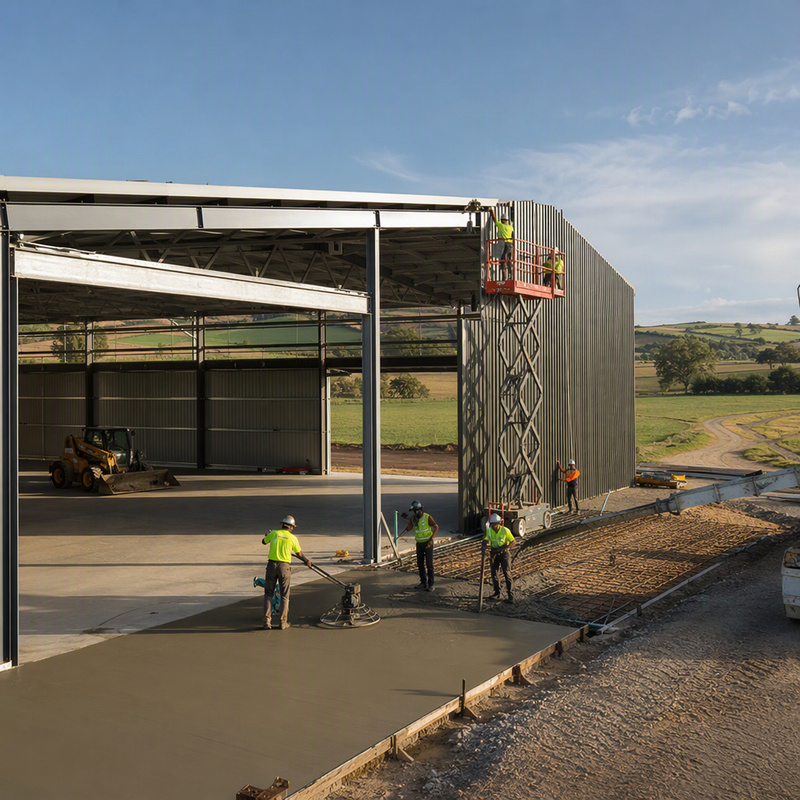
Farm Construction: Key Insights for Buyers

All Categories

farm construction

Farm construction  involves  the  design and building of agricultural structures such as barns, silos,  and livestock facilities. As  a critical component in  agricultural operations, the choice of materials and  structures directly impacts productivity, safety,  and longevity. Buyers often face concerns regarding material quality, cost, and compliance  with regulations. This article will  provide insights  into  the benefits of bulk orders,  selecting the  right steel structures, key  specifications for  farm  construction materials, comparisons between steel  and alternative  materials, and installation guidance for  steel structures. More about warehouse construction
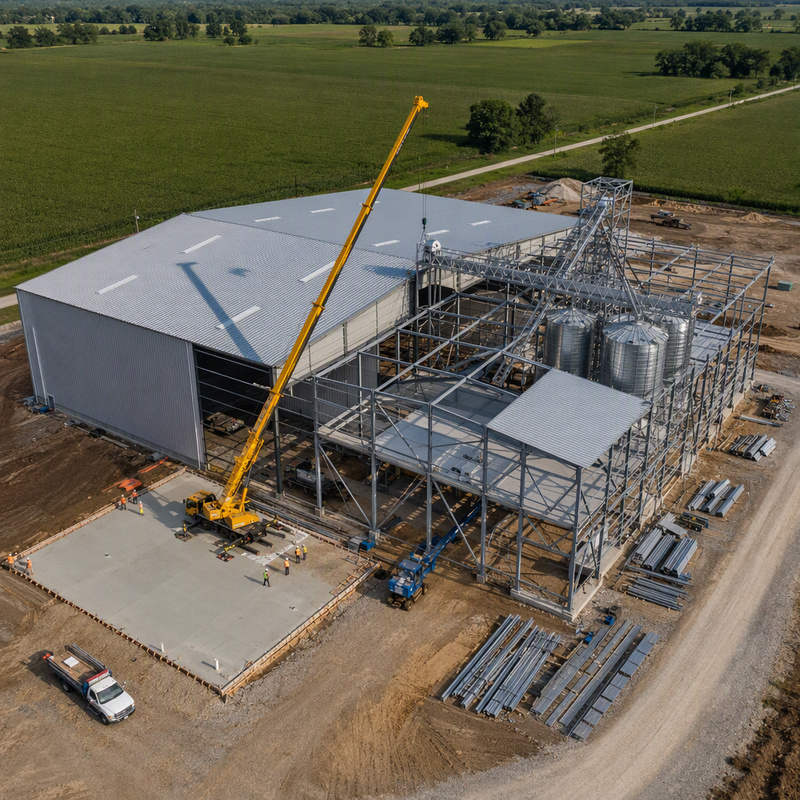
How to Choose the Right Steel Structures for Your Farm Projects

How to Choose the Right Steel Structures for Your Farm Projects

Selecting the appropriate steel structures for farm construction depends on various factors including the intended use, load requirements, and  environmental conditions. Steel trusses and beams are commonly used for their strength and durability, making them ideal for supporting large spans in open  areas like barns or equipment storage.

Buyers should  consider the following  when choosing steel structures:

  Load Capacity: Determine the weight requirements based on the use of the structure, such  as supporting  livestock  or heavy machinery. Environmental Factors: Consider factors such as moisture, temperature variations, and exposure  to chemicals that may affect  material longevity. Customization Requirements: Evaluate if customized  sizes or shapes are necessary  to fit specific  farm layouts or operational needs. Regulatory Compliance: Ensure that the  selected structures meet local building codes and agricultural regulations.

Consulting with a  supplier that  offers a  range of steel products can facilitate informed decision-making and ensure that the  chosen structures  align with project  goals.
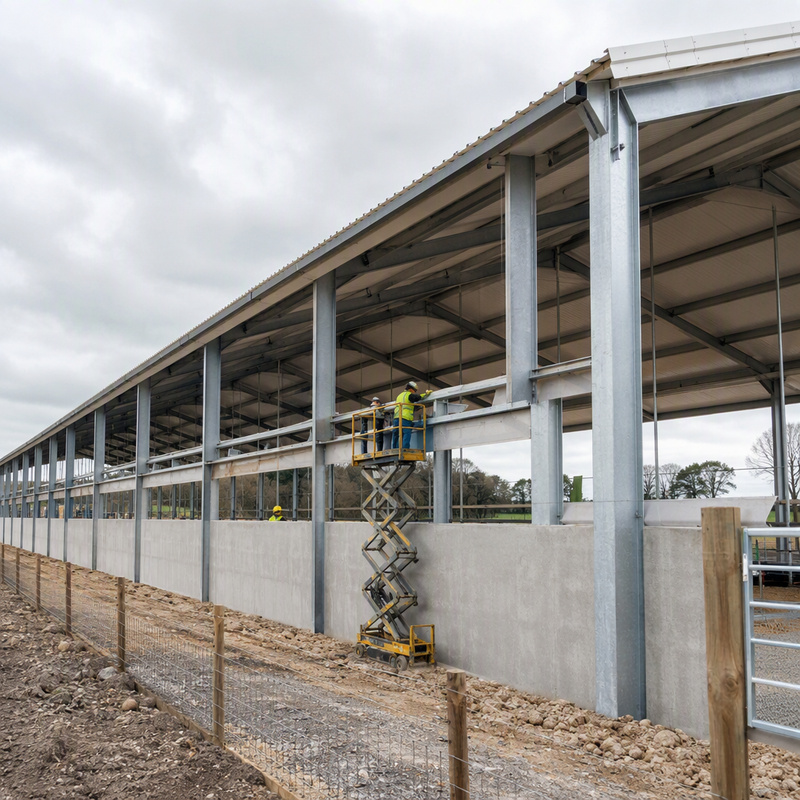
Key Specifications to Evaluate in Farm Construction Materials

Key Specifications to Evaluate in Farm Construction Materials

When assessing materials for farm construction, several key specifications should be  analyzed  to  ensure suitability  and performance:

Material Thickness: The  thickness of steel affects its load-bearing capacity and durability. Thicker materials generally provide greater strength but may also  increase costs.  Coating and  Finish: Protective coatings can enhance resistance to corrosion and weathering, which is particularly  important in agricultural environments where exposure to moisture and chemicals is common. Dimension Accuracy: Precision in  dimensions is crucial to ensure proper  fit  during installation. Buyers should request detailed specifications and, if possible, verify with samples before finalizing orders. Weld  Quality: The integrity of welds can directly impact  the structural strength. Buyers should  inquire about  welding  standards and  quality control processes  employed by  the manufacturer.

Understanding these specifications allows buyers to make informed decisions that align with their operational needs and budget constraints.

Steel vs. Alternative Materials for Farms

Steel vs. Alternative Materials for Farms

When considering materials for construction, steel often stands  out due to its strength and versatility. However, it is  essential to evaluate it against alternative materials  such as wood, concrete, and composites:

Durability: Steel structures typically have  a longer lifespan than wood, which can be susceptible to rot and pests. In  harsh weather conditions,  steel often outperforms alternative materials. Cost:  While initial costs for steel may be higher, the long-term savings on maintenance and durability can justify the investment. Wood may be cheaper initially, but its longevity and maintenance costs can  add up. Sustainability: Steel is recyclable, making it  an environmentally friendly option compared to some other materials. Buyers  focused  on  sustainability may prefer steel for this reason. Design Flexibility:  Steel allows for  larger spans and more  open designs, which  is beneficial for farms  requiring spacious interiors for  livestock or equipment.

Ultimately, the choice between  steel and alternative materials should be guided by specific  project requirements, budget considerations, and long-term operational goals.

Installation Guidance for Steel Structures in Farm Construction

Proper installation of steel structures is  critical for ensuring safety and performance. Here are several key steps to  consider during the installation process:

Site Preparation: Ensure that the construction site is adequately prepared, with a level  foundation and  appropriate drainage systems in place to prevent water accumulation  around steel structures. Assembly  Procedures: Follow manufacturer guidelines for  assembly to avoid issues with structural integrity. It’s advisable to  have experienced personnel  oversee the installation process to ensure compliance with safety standards. Inspection:  Conduct thorough inspections of  all components before installation. Check for any defects or damage that could affect performance. Connection Methods: Ensure  that the connections between steel components are secure and compliant with structural  requirements. This includes checking welds, bolts, and  rivets to ensure they meet specified standards.

Working with a reputable supplier who can provide installation guidance and support can greatly enhance the success of farm construction  projects. This  collaboration can help  mitigate common pitfalls associated with structural assembly and  ensure that the building meets the intended operational needs.

By understanding these aspects of farm construction, buyers can make informed decisions that  optimize their investments in  agricultural infrastructure.

Understanding the Benefits of Bulk Orders for Farm Construction

Purchasing materials in bulk can significantly reduce costs for farm construction projects. Bulk orders  often come with price breaks, which can lower the unit cost of steel structures like H  section steel,  box columns, and  composite plates. Additionally, buying in larger  quantities  can streamline logistics, minimizing  delivery times and reducing the risk of delays due to supply chain  disruptions.

When considering bulk purchases, buyers should also evaluate their storage  capabilities and project timelines  to ensure that they can accommodate  the materials without incurring additional costs. Furthermore, working with a  trusted  supplier like  Shenyang Haibo  Weiye Light Steel Color  Plate  Co., Ltd ensures that the materials meet the necessary specifications and are delivered  on  time, providing peace of mind throughout the construction process.


Frequently Asked Questions

What farm construction services do you offer?

We provide design, fabrication and installation of steel farm buildings including H-section columns, box beams, trusses, purlins, composite and color steel panels for barns, storage and agricultural facilities.
We supply H section steel, box columns, beams, steel trusses, bridges, composite plates, color profiled plates and purlins, all produced on advanced steel structure lines.
Yes. We integrate design and production to deliver customized structural layouts, sizes and coatings to meet specific agricultural requirements.
Lead time varies by scope and quantity; typical production for standardized components is weeks, while large custom projects require coordination—contact us with details for an accurate schedule.
Yes. We offer installation support and can coordinate on-site assembly, welding and quality inspection to ensure structures meet client specifications and local standards.

Get a Free Quote

Our representative will contact you soon.
Email
Name
Company Name
Message
0/1000

Related product categories

Get a Free Quote

Our representative will contact you soon.
Email
Name
Company Name
Message
0/1000