
Choosing Farm Buildings: Key Considerations & Suppliers

All Categories

farm buildings

When planning agricultural projects, the choice  of farm  buildings is critical to  ensuring operational efficiency and compliance with agricultural needs. Farm  buildings encompass a  variety of  structures, including storage facilities, livestock barns, and machinery sheds, all  designed to protect  valuable  equipment  and livestock while facilitating effective agricultural practices. This article addresses key  considerations  for selecting farm buildings, sourcing materials, understanding cost factors, and steps for successful project execution. By  focusing on these areas,  purchasing managers,  engineers, and project managers can make  informed decisions  that  align  with their operational requirements  and budget constraints.
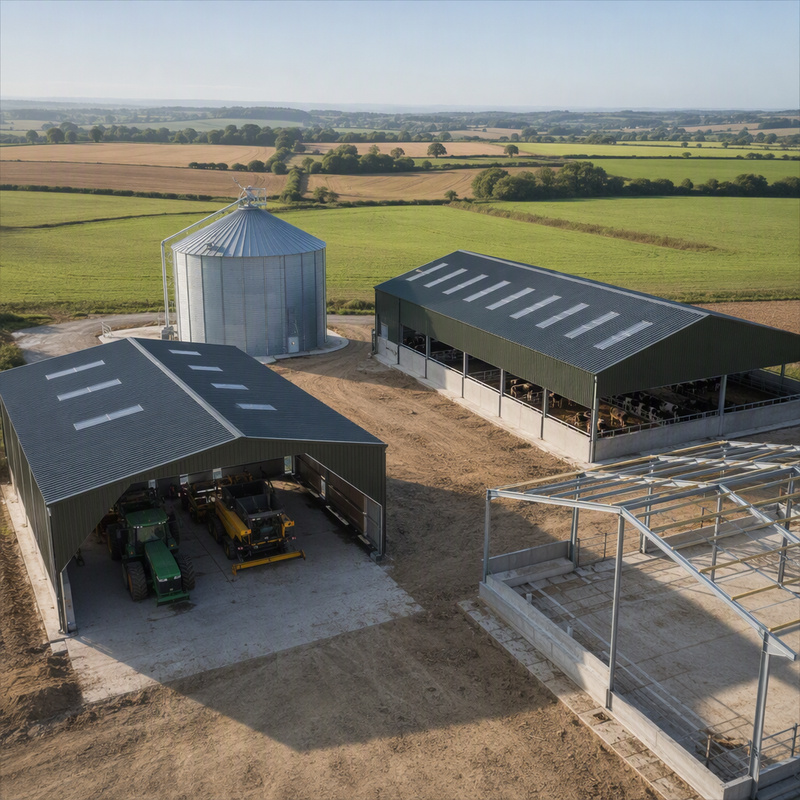
Where to Find Reliable Suppliers for Farm Building Materials

Where to Find Reliable Suppliers for Farm Building Materials

Finding the right suppliers for your farm building materials is crucial to the success of your project. Start  by researching manufacturers with a proven track  record in the agricultural sector. Look for companies that  specialize in  steel structures and have advanced  production capabilities, such as CNC and welding support, which ensure high-quality  outputs.


Industry trade  shows and agricultural expos are excellent venues  for meeting suppliers face-to-face and  discussing your specific requirements. Furthermore,  online platforms can provide insights into supplier reputations through reviews and testimonials from other agricultural businesses.

When  considering suppliers, evaluate their  ability to  provide customization options.  For example, Shenyang Haibo  Weiye Light Steel Color Plate Co., Ltd offers  a variety of steel products,  catering to diverse engineering scenarios. This flexibility can be invaluable in meeting  unique  project specifications. Additionally, consider Agricultural Steel Buildings as a viable option for your specific needs.
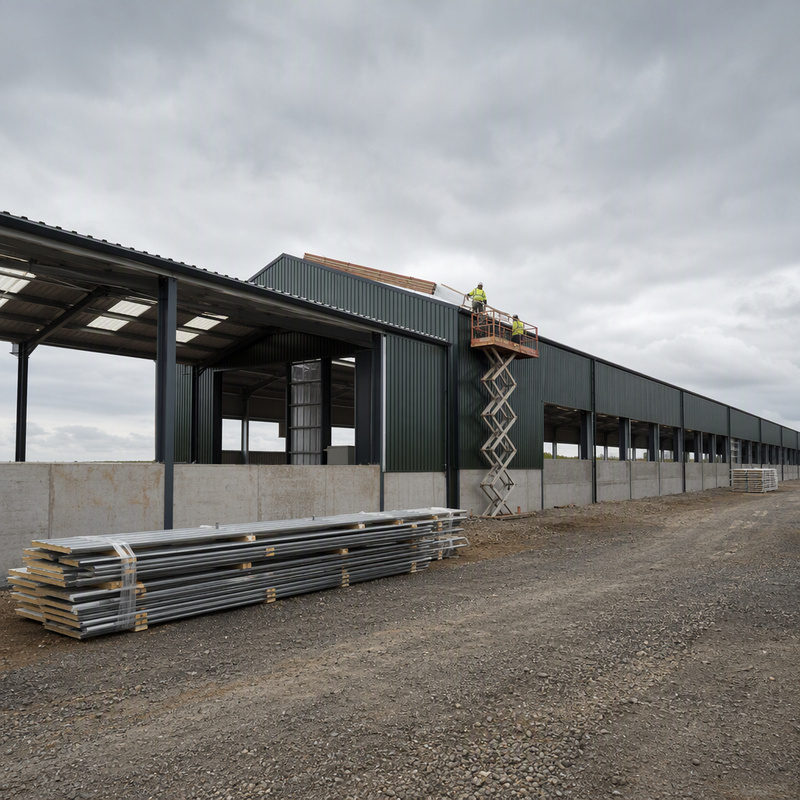
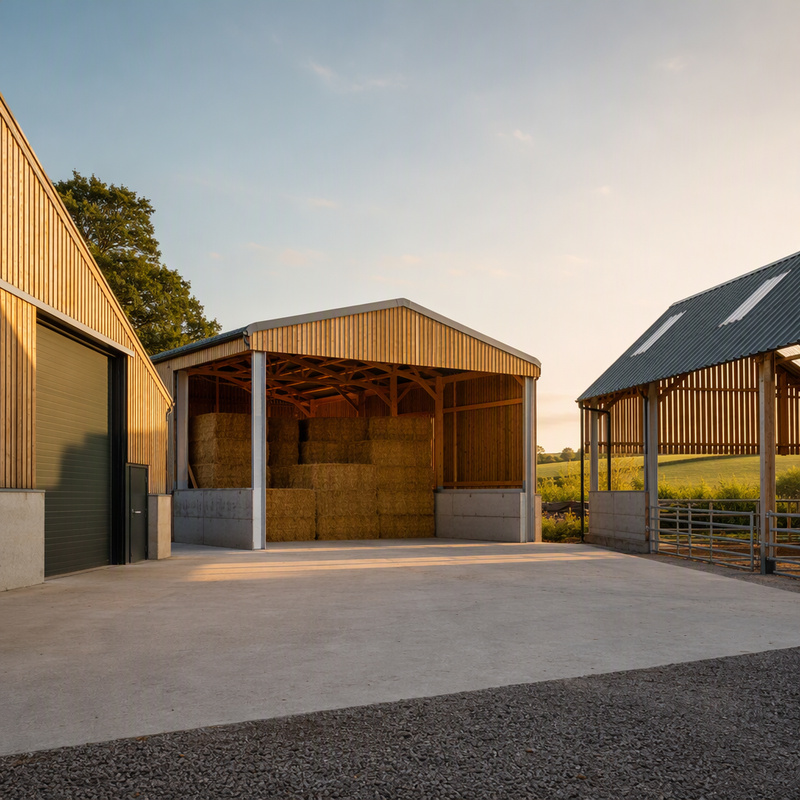
Cost Savings on Farm Building Purchases

Cost Savings on Farm Building Purchases

Cost management is a significant factor  when planning for farm  buildings. Begin by establishing a  clear budget that includes not only the initial purchase costs but also long-term operational expenses, such as maintenance  and energy consumption.

Consider bulk purchasing options, as  suppliers  often provide discounts for larger quantities.  Inquire about Minimum Order Quantities (MOQs) that could  affect pricing. Additionally, evaluate the total cost of  ownership, which includes  potential savings from durable materials like steel that require less  maintenance over time.

It's also wise to compare  quotes from multiple suppliers. This comparison should include not  just the base price but also shipping costs,  lead times,  and payment terms.  A lower initial price may not  always represent the best overall  value  if it  leads to higher future costs.

Key Steps

Key Steps

To ensure a smooth process in  acquiring farm buildings, follow these  key  steps:

Define Your Requirements: Clearly outline the intended  use of the buildings, including size, design, and material preferences.

Research Suppliers: Identify and shortlist potential suppliers based on their product offerings, reputation, and experience in the agricultural sector.


Request Quotes: Reach out to suppliers with your detailed requirements to  receive accurate quotes. Be sure to include specifications such as  dimensions, materials, and quantities.

Evaluate Samples:  Before finalizing  orders, request samples  or prototypes to assess quality and suitability for your  specific needs.

Confirm Certifications: Ensure that the materials  meet  relevant safety and quality certifications.

Finalize Contracts: Once you choose a supplier, carefully review  and finalize contracts,  ensuring that all terms,  including warranties  and  delivery  timelines, are  clearly outlined.

Cost Factors to Consider When Planning Your Farm Building Project

When budgeting for a farm building project, several cost factors should be taken into account:

Material Costs: The type of materials—such as steel, wood, or composite—will  significantly affect overall  expenses. Steel buildings,  for instance, may have a higher upfront cost but offer long-term savings due  to their durability and low maintenance needs.

Labor Costs: Factor in labor costs for construction, which can vary based on  project complexity and local wage rates. Engaging experienced contractors can improve efficiency but  may increase initial  expenses.


Land Preparation:  If the building  site requires grading or other preparations, these costs should be included in the project budget.

Utilities and Infrastructure: Consider additional costs for utilities,  such as  electricity and  water supply, particularly if the building will house livestock or  machinery that requires specific conditions.

Permitting and Compliance Fees: Ensure  that you account for any fees associated with obtaining necessary permits or ensuring compliance with local regulations.

By thoroughly considering these cost  factors, you can create a more accurate budget and avoid unexpected  expenses during  the project.

In summary, selecting the right farm buildings involves understanding operational needs,  sourcing reliable materials, and managing costs effectively. By following  these guidelines, agricultural professionals can make informed decisions that enhance productivity and sustainability in their operations.

What to Consider When Choosing Farm Buildings for Your Projec

Selecting the right farm building requires careful consideration of several factors. First, assess the specific needs of your agricultural operation,  such  as the  type of crops grown or livestock raised.  Different buildings  serve varied purposes, and understanding these functions will guide your choice. For instance, livestock  barns  need  adequate ventilation and space, while storage facilities should have precise dimensions  to accommodate machinery and supplies.

Secondly, consider the materials used  in the construction of farm buildings.  Steel structures are popular due to their durability, resistance to pests, and low maintenance requirements. Companies like Shenyang Haibo Weiye Light Steel Color Plate Co., Ltd produce high-quality steel  components, including  H section  steel  and color steel profiled plates, which are essential for robust and long-lasting farm  buildings. For more information on different types of structures, you can check out Steel Structure Buildings. When evaluating materials, also consider factors like insulation properties, weather resistance, and  fire  safety.

Lastly, prioritize compliance with local building codes and agricultural regulations. Ensuring that the chosen design adheres to these standards will prevent costly modifications later and maintain operational  continuity.

Frequently Asked Questions

What types of farm buildings do you offer?

We provide steel-framed farm buildings including H-section barns, box-column structures, trussed sheds, cold storage frames, and composite-panel workshops tailored for agricultural use.
Yes. We integrate design and production to custom-design layouts, spans, heights, and material specs to match livestock, storage, or processing requirements.
We use H section steel, box columns, beams, steel trusses, purlins, composite plates and color steel profiled panels, produced on advanced CNC and welding lines.
We coordinate production and logistics for timely delivery; we can provide installation guidance and partner with local installers to support on-site erection.
As a major Northeast China processor with large annual output, lead time depends on order size; typical fabrication runs take weeks to a few months—contact us for a specific estimate.

Get a Free Quote

Our representative will contact you soon.
Email
Name
Company Name
Message
0/1000

Related product categories

Get a Free Quote

Our representative will contact you soon.
Email
Name
Company Name
Message
0/1000