Farm Building Construction: Key Material Considerations

All Categories

farm building construction

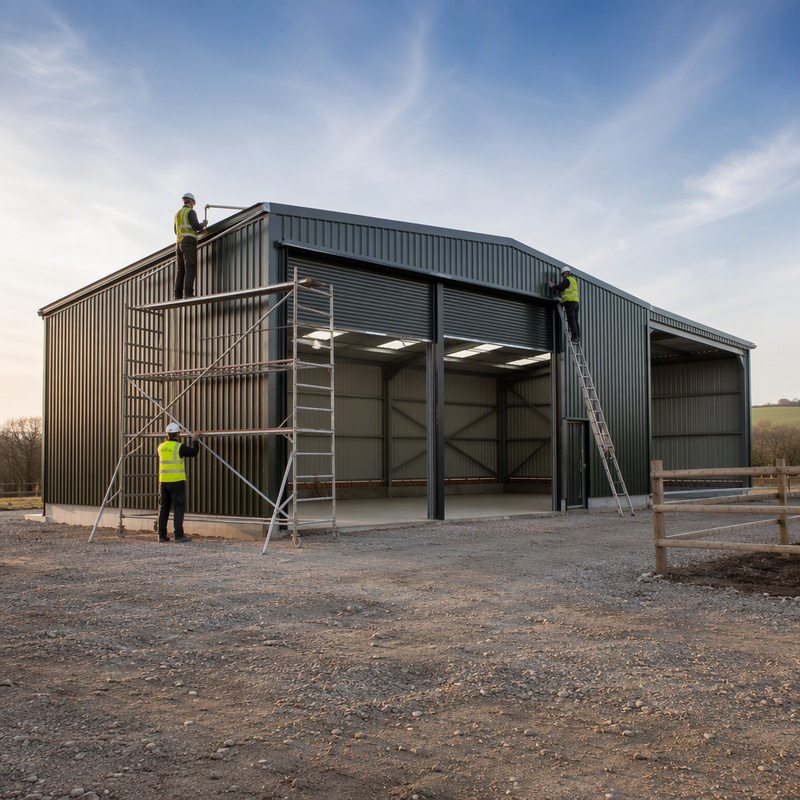
Farm  building  construction  is integral to enhancing  agricultural productivity, providing  essential structures for livestock, storage,  and equipment. As farming operations grow, understanding the  right materials  and construction techniques  becomes crucial  for  purchasing  managers  and  agricultural  stakeholders. This article will address key considerations in selecting materials, specifications for  steel structures,  common challenges faced during construction,  and the advantages of  using light steel in agricultural settings.
 
Key Specifications to Consider for Steel Structures in Agriculture

Key Specifications to Consider for Steel Structures in Agriculture

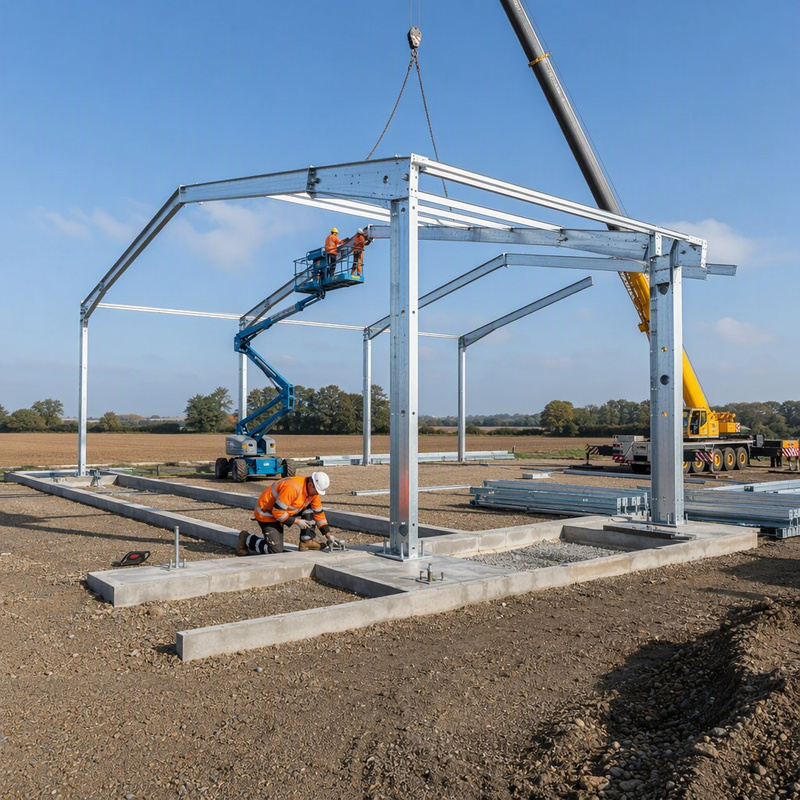
When considering steel structures for farm buildings, several key specifications must be examined to ensure they meet the required performance standards:

Material Thickness: The gauge of the steel  affects its strength and durability. Thicker materials  can better  withstand environmental stresses but may also increase  costs.  Buyers should assess the specific load requirements of their structures to determine the appropriate  thickness.

Dimensions and Span: The size and span  of beams, columns, and trusses should be tailored to the intended use. For instance, larger spans may be necessary for equipment storage, while smaller spans could suffice for livestock  housing.

Welding and Fabrication Quality: High-quality welding techniques are crucial for  the structural integrity of steel  components. Buyers should inquire about the  manufacturer’s welding processes  and any quality control  measures in place to ensure that finished products meet industry standards.

Finish and Coating: The type of finish, such as  paint or galvanization, can significantly impact the lifespan of steel structures.  Buyers should consider the environmental exposure  and select a finish that  provides adequate protection against rust  and  wear, similar to the durable finishes applied to Galvanized Film Greenhouse Tunnel Plastic Grow Tunnel.

Understanding these specifications will enable buyers to make informed decisions that align with their operational needs and budget  constraints.
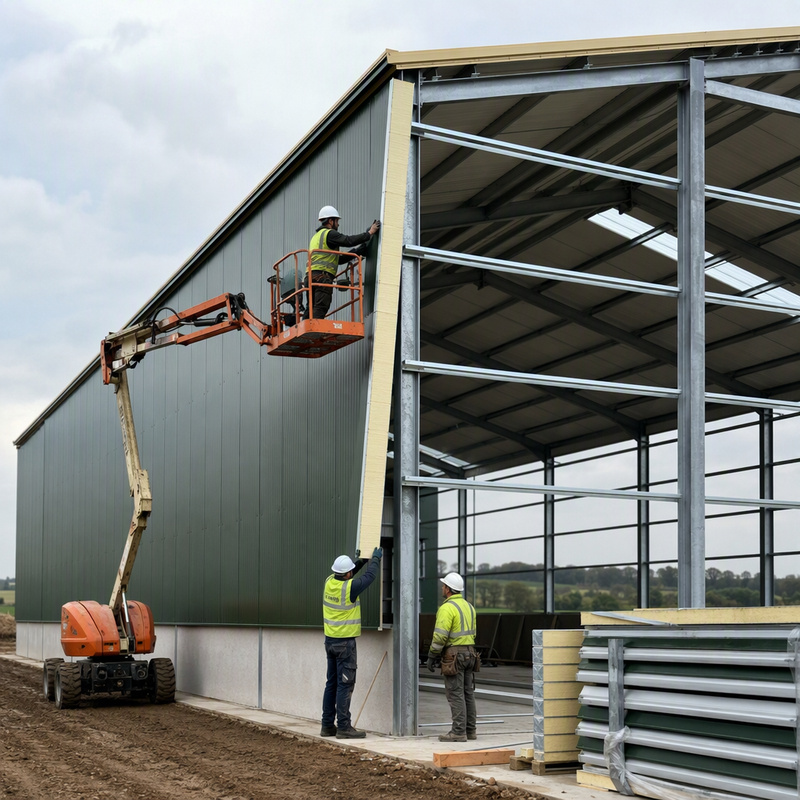
Common Problems in Farm Building Construction and Their Solutions

Common Problems in Farm Building Construction and Their Solutions

Farm building  construction can  present various challenges, but  many can be  mitigated with careful planning and execution. Here are a few common issues and  practical solutions:

Poor Site Preparation: Inadequate site preparation can lead to uneven foundations, affecting the stability  of the structure. Conducting thorough  site assessments and ensuring proper grading before construction can help avoid these issues.

Inaccurate Measurements: Errors  in measurements can  lead to costly rework and delays.  Implementing a rigorous quality control process during the design phase and confirming dimensions before fabrication can reduce  these  risks.

Material Delays: Delays in material  delivery can halt  construction progress. Establishing clear timelines with  suppliers and considering local sourcing options can  help ensure that materials arrive on schedule.

Insufficient Ventilation: Poor ventilation in livestock buildings can  lead to health issues for animals. Incorporating proper ventilation systems and materials that allow for airflow can enhance animal welfare and productivity.

Addressing these  common problems proactively can save  time and resources, leading to a  smoother construction process.

Where Steel Structures Excel in Farming

Where Steel Structures Excel in Farming

Steel structures offer numerous  advantages in  agricultural applications, making  them  a preferred choice for farm building construction. Key benefits include:

Versatility: Steel can  be used for a variety of agricultural buildings,  including barns, storage facilities, and workshops. Its adaptability allows for various designs and  configurations to fit specific operational needs.

Speed of Construction: Pre-fabricated steel components can significantly reduce construction time. With advanced manufacturing techniques, structures can be erected quickly, minimizing  downtime for farmers.

Cost-Effectiveness: While the  initial investment in steel may be higher than other  materials, its durability and low maintenance requirements  can lead to lower long-term costs. Steel structures  often have longer  lifespans, providing excellent return on investment.

Sustainability: Steel is recyclable and can contribute  to sustainable building practices. By choosing steel structures, farmers can reduce their environmental footprint while maintaining  efficient operations.


Overall, steel structures provide  a reliable  and  efficient solution  for various agricultural construction needs.

Understanding the Benefits of Light Steel in Agricultural Construction

Light steel  construction has gained popularity  in agricultural settings due to its unique advantages. Here’s why light steel is often the preferred choice:

Reduced Weight: Light steel materials make handling and installation easier, reducing labor costs and time on-site. This can  be particularly beneficial  in remote or challenging locations.

Design Flexibility: Light steel allows for innovative design solutions, accommodating large open spaces without compromising  structural  integrity. This flexibility is essential for modern agricultural operations that require adaptability.

Cost Savings: The lower  weight of light steel can lead to reduced transportation costs and simpler foundation requirements. Additionally, its  ease of construction contributes to overall cost savings.

Enhanced  Strength-to-Weight  Ratio: Light steel maintains a  high strength-to-weight ratio,  providing durability while minimizing material usage. This efficiency can contribute to a more  sustainable building approach.

By leveraging the benefits of light steel,  agricultural businesses can build  resilient structures that meet their operational requirements while optimizing costs and  sustainability.

In summary, farm building construction is a complex process that requires careful  consideration of materials,  specifications, and potential challenges. By understanding these factors and the advantages of steel structures,  purchasing managers and agricultural professionals can make informed decisions that enhance their  operations.

Choosing the Right Materials for Farm Building Construction

Selecting appropriate materials for farm building construction is vital for  long-term durability and functionality. Steel structures are  often favored due to their strength, flexibility,  and resistance to various environmental factors. When choosing materials, consider the  following:

Corrosion Resistance: Given the exposure to moisture and chemicals  commonly found on farms, materials such as galvanized or coated  steel are preferred. These treatments enhance longevity  and reduce  maintenance costs.

Thermal Performance: Insulation  properties  of materials  play a crucial role in energy efficiency, especially in livestock facilities that require controlled temperatures.  Insulated  panels or composite materials can significantly reduce heating  and cooling demands, such as those found in a PU PIR Insulated Wall Sandwich Panel High Thermal Efficiency Cladding.

Structural Integrity: The ability of materials to withstand loads, including snow, wind, and equipment, is essential. H-section  steel and trusses, produced by  companies  like Shenyang Haibo Weiye, offer superior load-bearing capabilities while maintaining lighter weight.


By carefully evaluating these factors, buyers can ensure that their chosen materials will meet the operational needs of their farm buildings  while providing cost-effective solutions.


Frequently Asked Questions

What farm building types do you design and build?

We design and construct steel farm buildings including barns, livestock houses, storage sheds, greenhouses and workshops using H-section steel, box columns, trusses and color steel profiled plates.
We use H-section steel, box columns, beams, steel trusses, purlins, composite plates and color steel profiled plates produced on advanced CNC and welding lines.
Yes. We offer custom design and engineering to meet specific load, layout and functional requirements, integrating production and installation planning.
As a major processor in Northeast China with large annual output, lead time depends on order size; contact us with project details for a precise schedule.
Yes. We provide installation coordination, technical guidance and after-sales support to ensure structural integrity and long-term performance.

Get a Free Quote

Our representative will contact you soon.
Email
Name
Company Name
Message
0/1000

Related product categories

Get a Free Quote

Our representative will contact you soon.
Email
Name
Company Name
Message
0/1000