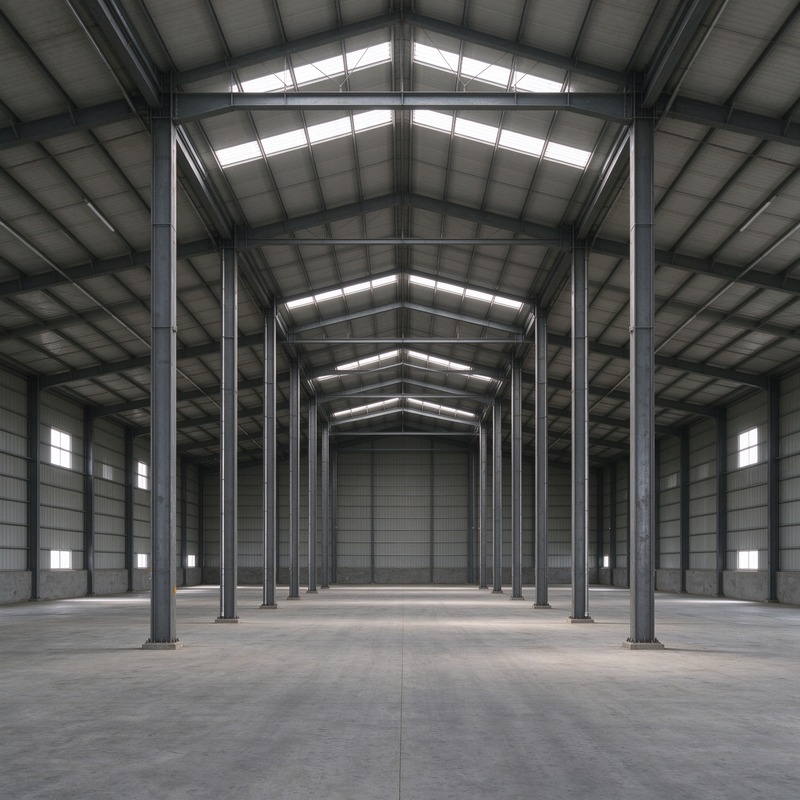
Key Specifications for Agricultural Building Construction

All Categories

agricultural building construction

Agricultural  building construction  is a  specialized  sector  within  the  manufacturing and construction  industries, focused on  creating structures that  meet the unique demands of farming and  agricultural operations. Buyers often face  concerns regarding material performance, structural integrity,  and cost-effectiveness when selecting suppliers  for  their  agricultural building projects. This article  aims to provide valuable insights  into agricultural building construction specifications, common challenges, installation guidance, purchasing tips,  and the benefits of using  light steel materials.
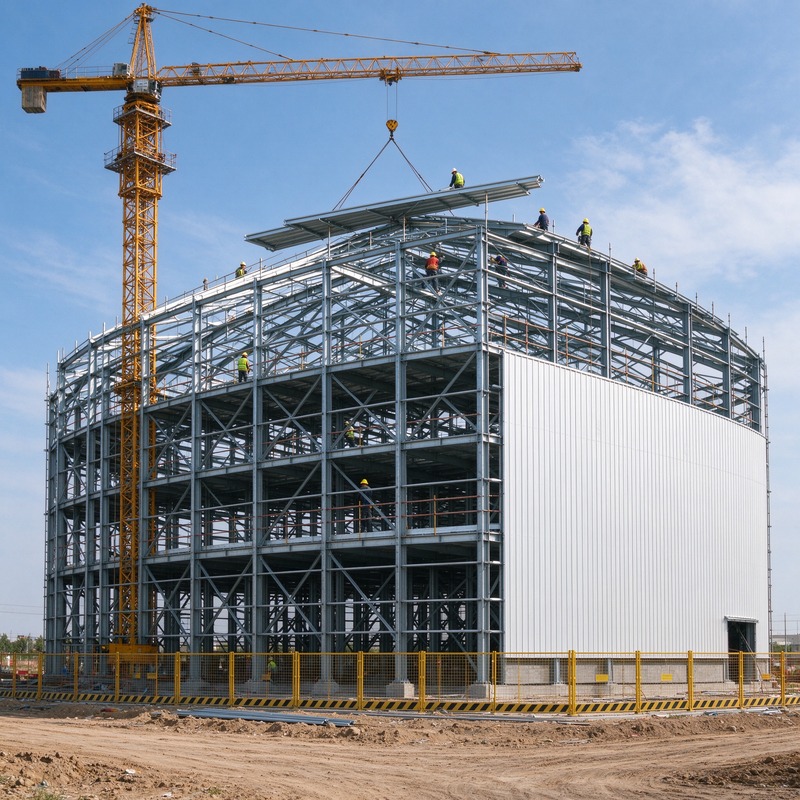
Common Problems in Agricultural Building Projects and Their Solutions

Common Problems in Agricultural Building Projects and Their Solutions

Agricultural building projects can encounter various  challenges that  may affect timelines, budgets, and overall success. Recognizing these potential  problems early can facilitate smoother project execution. Some common issues include:


Delays in Material Supply: Supply  chain disruptions can lead to delays in acquiring necessary materials. Buyers can  mitigate this risk by establishing relationships with multiple  suppliers and ordering materials well in advance.

Inadequate Planning: Without thorough planning, projects can exceed budgets  and timelines. Utilizing project management  tools and consulting with experienced contractors can help ensure that all aspects of the construction are considered from the outset.


Regulatory Compliance: Failing to meet local  building regulations can  result in costly fines or project delays. Buyers should engage with local  authorities early in the process  to confirm compliance requirements for agricultural structures.

Quality Control Issues:  Ensuring  that materials meet specified standards is vital. Buyers should  implement  quality control  checks at various stages of production and construction,  including inspections of incoming materials and final structural assessments.
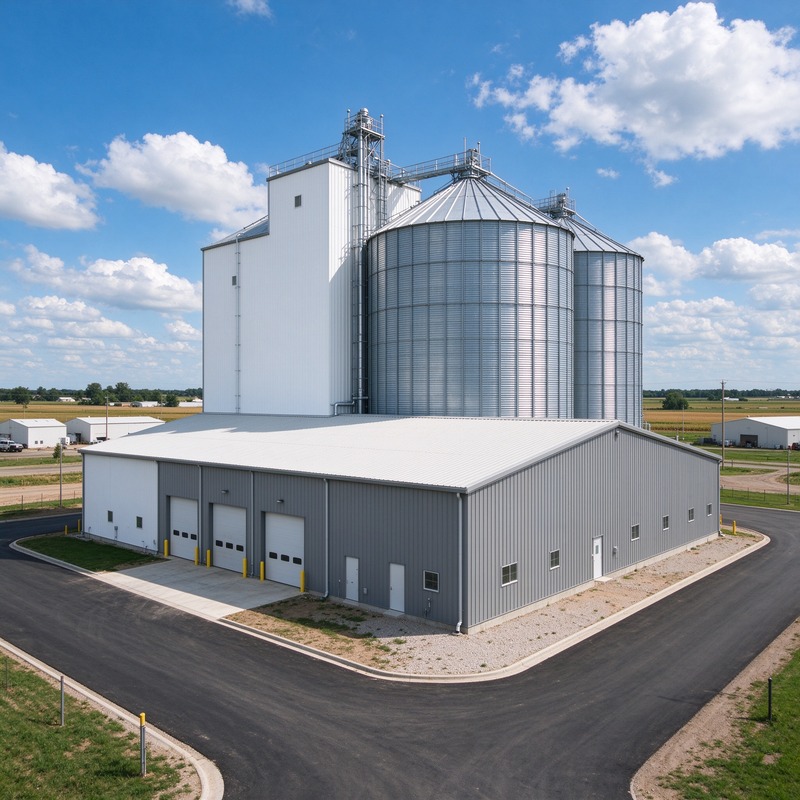
Installation Guidance for Agricultural Building Structures and Materials

Installation Guidance for Agricultural Building Structures and Materials

Proper installation of agricultural building structures is critical  to their long-term performance and durability. Here are some  essential tips for ensuring  successful  installation:

Foundation Preparation: A solid foundation is crucial for the stability of  agricultural buildings. It should be designed to support  the specific structure and load requirements based on soil conditions and building  dimensions.

Using  Qualified Contractors: Engaging experienced contractors familiar with agricultural building construction  can reduce the risk of errors during installation. They can offer  valuable insights into best practices  and common pitfalls.

Material  Handling:  Proper handling of materials during installation is  essential to prevent damage. Buyers should ensure that all staff involved in the process are  trained in safe handling techniques and understand  the importance of maintaining material integrity.

Follow Manufacturer Guidelines: Each manufacturer may have specific  installation guidelines for  their products. Buyers should adhere  to  these instructions closely to guarantee the optimal performance of the building materials.

Wholesale Purchasing Tips for Agricultural Building Construction Supplies

Wholesale Purchasing Tips for Agricultural Building Construction Supplies

When purchasing agricultural building  construction supplies, buyers should consider several factors to ensure they achieve the best value and quality:

Request Detailed Quotes: When contacting suppliers, provide specific  details about the project, including  dimensions, material types,  and quantities. This information  allows suppliers to give  accurate quotes and recommendations.

Evaluate  Supplier Experience: Choose suppliers with proven expertise in agricultural building materials.  Inquire about their  manufacturing capabilities, quality control processes, and previous project experience to  assess their reliability.

Negotiate Pricing  and Terms: Don't hesitate to negotiate pricing based on order volume. Discuss payment terms,  delivery  schedules, and any potential bulk discounts to achieve the best financial outcome.

Confirm Lead Times: Understanding  lead times for materials is  vital for project scheduling. Ensure that suppliers can meet deadlines,  especially for critical  components that may  impact  the overall  construction timeline.

Key Advantages of Using Light Steel in Agricultural Building Construction

Light  steel has become a preferred choice in agricultural building construction for several reasons:


Strength and Durability: Light steel structures offer exceptional strength  while being lightweight, making them ideal  for large agricultural buildings. They are resistant to warping, cracking, and insect  damage, which  can  extend the lifespan of the structure.

Cost-Effectiveness: While  the initial investment in light steel  may be higher than some traditional materials, its longevity and low maintenance requirements often lead to lower overall costs. Buyers should consider the total cost of ownership rather than just  the  upfront expense.

Flexibility in Design: Light steel can be easily customized to meet specific design requirements, allowing for versatile architectural  solutions. This flexibility  is vital for accommodating diverse agricultural needs, from storage to livestock housing, including options like Warehouses & Logistics Centers.

Sustainability: Steel is recyclable and often made from recycled materials, contributing to more sustainable construction practices. Buyers interested in environmentally friendly options will find light steel to be a responsible choice.

By understanding agricultural building construction specifications, recognizing potential challenges, following proper installation practices, and leveraging the advantages of materials like light steel, buyers can make  informed decisions  that lead  to successful agricultural projects. This proactive approach not only enhances the  quality and durability of  agricultural buildings but also ensures that investments are sound and  align  with operational goals.

Understanding Agricultural Building Construction Specifications for Buyers

When considering agricultural building construction, buyers must understand several  key specifications that influence the suitability and performance of the structure. These include materials, structural dimensions, load-bearing capacities, and environmental resilience.

Materials: Common materials used in agricultural building construction include  steel, wood, and composite materials. Steel, particularly light steel, is favored for its strength-to-weight ratio, durability, and resistance to pests and rot. It is essential to evaluate the material's compatibility with the  intended use, ensuring it can withstand agricultural activities like livestock housing or storage for equipment and produce. For example, Steel Structure Buildings provide a robust option for such needs.

Dimensions and Design: The dimensions of the building must align  with  agricultural needs, such as  height for equipment storage or ventilation  requirements for  livestock. Buyers should assess design features, including roof pitch  and wall height, to accommodate specific agricultural  functions.

Load-Bearing Capacities: Understanding the load-bearing requirements is crucial, especially for structures that may need  to support  heavy equipment or stored goods. Buyers should  confirm that  the structural  specifications are suitable for  their operational demands to avoid potential failures.

Environmental Considerations: The chosen materials and design should be  resilient to local weather conditions,  including wind loads, snow  loads, and the potential for  corrosion. Buyers should consult with manufacturers to ensure that the specifications meet local building codes and environmental requirements.

Frequently Asked Questions

What agricultural building types do you construct?

We build farm warehouses, barns, greenhouses, livestock houses, storage sheds, and multi-span agricultural halls using light steel and color steel panels tailored to client needs.
We use H section steel, box columns, beams, steel trusses, composite plates, color steel profiled plates and purlins, produced on our advanced lines for durability and precision.
Yes. We integrate design, production and sales to offer custom structural designs, load calculations, layout plans and finish options to meet specific site and agricultural requirements.
As a major Northeast processor with large annual output, we offer scalable production. Lead time depends on project size; typical delivery ranges from weeks to a few months after order confirmation.
Yes. We provide installation guidance or on-site assembly services and after-sales support including quality inspections, warranty handling and technical consultation.

Get a Free Quote

Our representative will contact you soon.
Email
Name
Company Name
Message
0/1000

Related product categories

Get a Free Quote

Our representative will contact you soon.
Email
Name
Company Name
Message
0/1000