EN
Building offices requires careful planning and sourcing of materials, particularly when it comes to structural components. This article will guide B2B buyers—such as purchasing managers, engineers, and product managers—on essential considerations when selecting steel products for office construction. By focusing on the keyword "build offices," we will address key buyer concerns, including material specifications, supplier reliability, installation guidance, and common challenges in office construction.
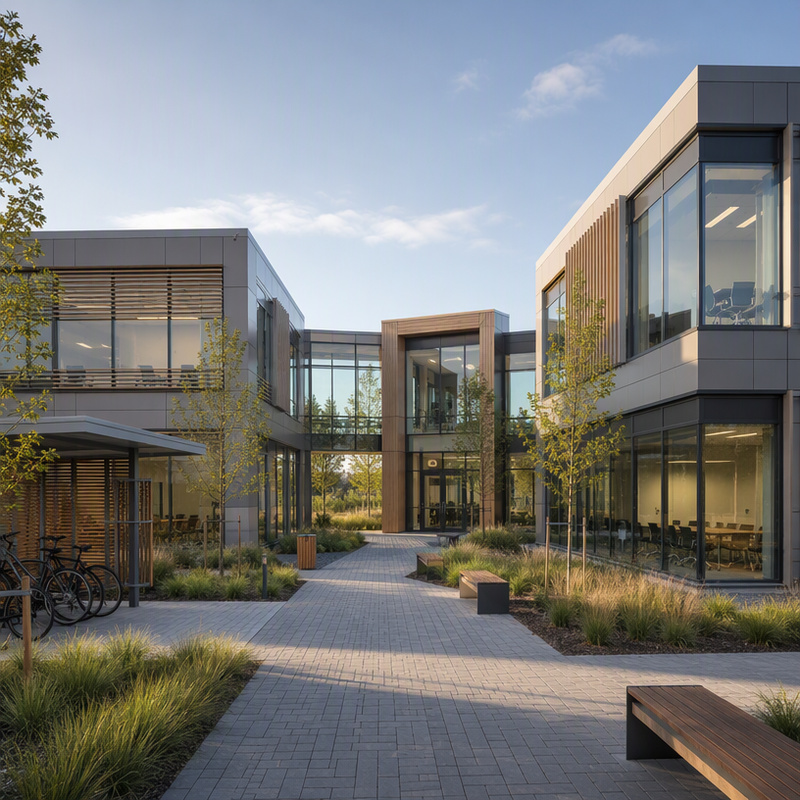
Assessing Steel Products for Office Construction
When building offices, the choice of steel products is crucial. Buyers should evaluate various specifications and properties of the steel to ensure they align with the project requirements:
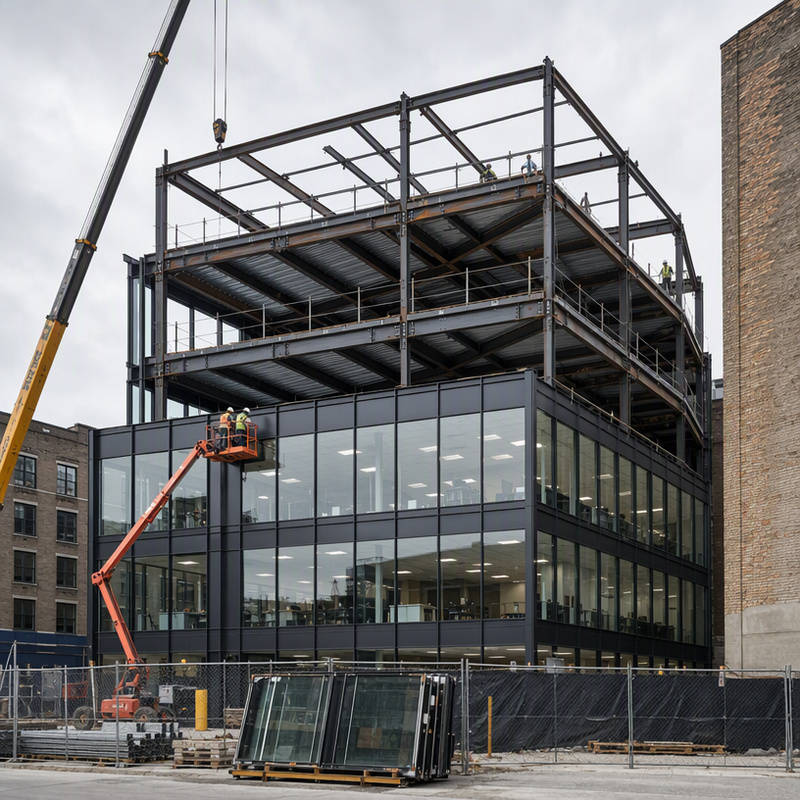
Material Specifications: Understand the different types of steel available, such as H section steel and box columns. These products must meet specific strength and durability requirements based on the intended use. For instance, using Portal Frame Rigid Bent Pre-engineered Steel Column and Rafter can enhance structural integrity.
Dimensions and Weight: Ensure that the dimensions of the steel products fit within the design specifications of the office. It's vital to confirm that the weight of the materials is compatible with the structural design and building codes.
Surface Treatment: Evaluate the surface treatment of the steel products, which affects corrosion resistance and aesthetics. For example, color steel profiled plates may be treated for weather resistance, which is essential for long-term durability.
Load-Bearing Capacity: The steel structures must be assessed for their load-bearing capacity, particularly if the office design incorporates additional features like multiple floors or heavy equipment. Buyers should confirm that the selected steel can handle these loads effectively.
Testing and Inspection: Before finalizing the purchase, buyers should request documentation of any testing performed on the steel products, ensuring they meet the necessary performance standards.