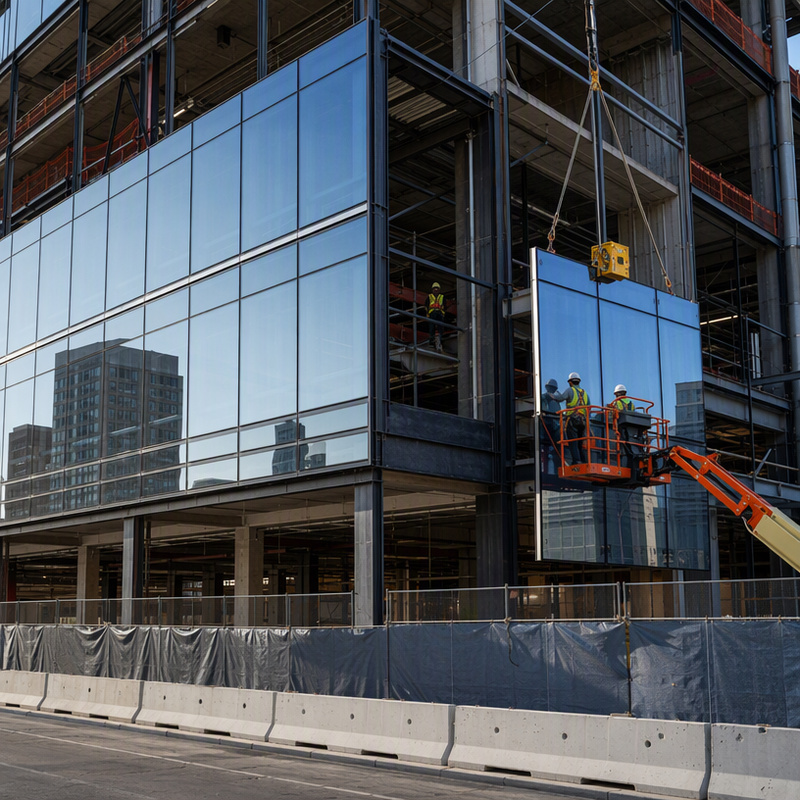
Key Considerations for Office Building Construction

All Categories

office building construction

In the context of office  building construction, selecting  the right steel products  ensures structural  integrity, longevity,  and  compliance with safety  regulations. This article  addresses  key concerns  for B2B  buyers—such as product quality,  supply  reliability,  and  cost factors—offering insights that  can guide purchasing decisions  for steel materials  used in office  buildings.
 
Finding Reliable Suppliers for Office Construction

Finding Reliable Suppliers for Office Construction

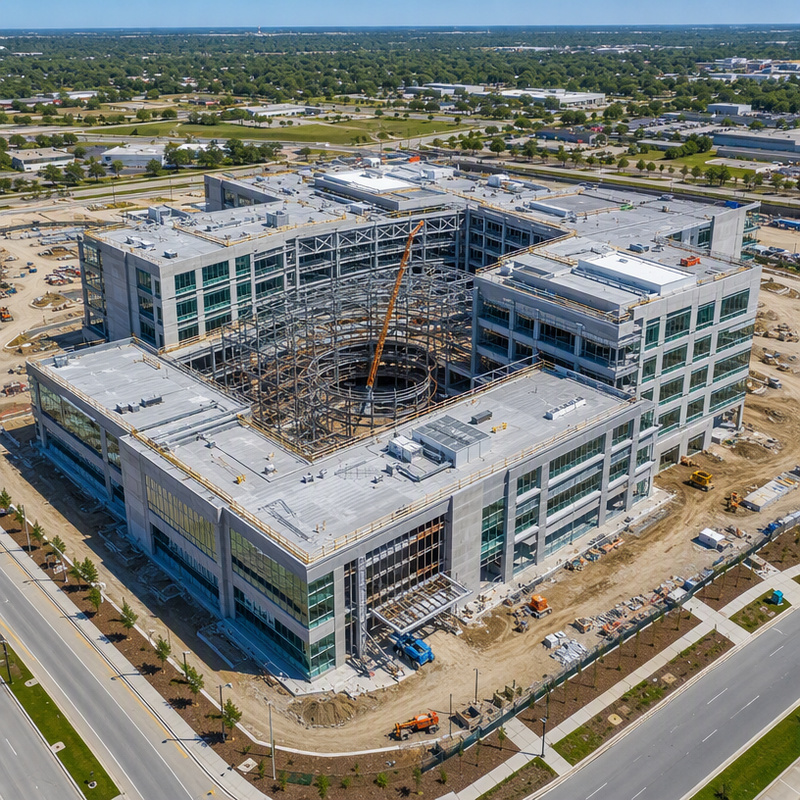
Finding  a reliable supplier  for office building construction is critical to the project's success. Start by researching  manufacturers with  a proven track record  in producing steel structures, specifically those experienced in the unique  requirements of office buildings. Shenyang  Haibo Weiye Light Steel Color Plate Co., Ltd, for example, integrates design, production,  and sales, allowing for streamlined communication  and coordination. Additionally, consider suppliers who offer options such as Multi-story Steel Structure Office Building Modern Commercial Steel Frame Building to meet various project needs.

Networking within  industry associations can also yield valuable  recommendations for suppliers. Attend trade shows, seminars, and  workshops where you can meet potential suppliers and discuss their capabilities and  product  offerings  in detail.

Furthermore, request  references from previous clients to gauge supplier reliability and  service quality. A supplier that has successfully completed similar projects can provide assurance of their ability to meet  deadlines and specifications. Additionally, consider suppliers who offer customization options to  tailor products to specific  project needs.
Key Specifications for Steel Components in Office Building Projects

Key Specifications for Steel Components in Office Building Projects

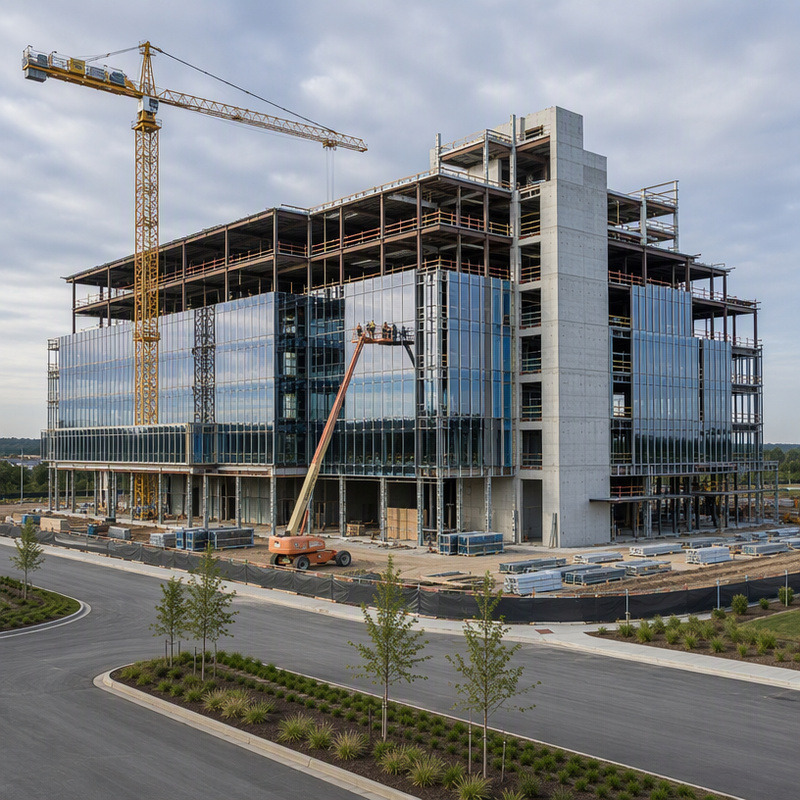
When it  comes to steel components for  office buildings, certain specifications are crucial for  ensuring safety  and functionality. Key specifications include:

Material Grade: The grade of steel, such as S235 or S355, indicates  its yield strength  and tensile strength. Higher grades may provide better performance but can increase costs. Dimensions: Accurate dimensions are  vital to ensure that steel  components  fit correctly during assembly. Buyers should confirm dimensions against their project  specifications before ordering.  Coating and Finish: Corrosion resistance is essential for longevity, particularly for external  structures. Galvanization  or powder coating can enhance the durability of  steel products exposed to the elements. Load-Bearing Capacity: Understanding  the load requirements for each component is essential. This includes  both dead loads (the weight of the structure itself) and live  loads  (the weight of occupants and furniture).

Buyers should  work closely  with engineers to ensure that all specifications align with the building's design and intended use.

Understanding Cost Factors in Office Building Construction Materials

Understanding Cost Factors in Office Building Construction Materials

Cost is a significant consideration when selecting materials for office building  construction. Several factors can influence  the price of  steel products, including:

Raw Material Prices: Fluctuations in the cost  of  raw steel can directly  affect  pricing. Buyers should monitor  market trends to anticipate  potential  price increases. Manufacturing Processes: The complexity of the manufacturing processes  may  impact costs.  More advanced production  techniques, like CNC machining, often come with  higher price tags but can provide better precision  and quality. Customization: Customized steel components may incur additional costs due to the  extra design and manufacturing work required. However, they can lead to better fit and  function in the final assembly. Order Quantity: Bulk orders often come with discounts, while smaller orders may have higher per-unit costs. Buyers should determine their minimum order quantities (MOQ) and consider placing larger orders to optimize costs.

Finally, don’t overlook transportation costs, which can vary  based on the distance from the supplier and the complexity of the shipping  logistics.

Installation Guidance for Steel Structures in Office Buildings

Proper installation of  steel structures is critical for maintaining safety  and structural integrity. Here are some key considerations for installation:</p> Pre-Installation  Inspection: Before installation, conduct a thorough inspection of  all steel components. Check for any visible defects, such as warping or surface damage. Site Preparation: Ensure that the construction site is  adequately prepared to support the  weight and dimensions of the steel components. This includes verifying that the foundation is level and capable of bearing the loads. Alignment  and Fit: During installation, carefully check the alignment of steel components. Misalignment can lead to structural issues down the line, so  it’s essential to take the  time to ensure everything fits correctly. Welding  and Bolting: Proper  welding and bolting techniques are crucial. Ensure that qualified personnel perform these tasks, following industry standards to achieve strong, durable  connections.  Final Inspection: Once  installation is complete, conduct a final inspection to ensure  that all components  are securely fastened and aligned according to project specifications.  Document any discrepancies for future reference.

By following these  guidelines, buyers can help ensure  that their office building construction projects are completed successfully  and safely.

How to Evaluate the Quality of Steel Products for Office Buildings

When evaluating the quality of  steel products for office building  construction, several  key factors come into play. First, look for certifications that indicate compliance with industry standards,  such as ASTM or ISO certifications. These certifications ensure that the steel meets specific performance metrics, including strength, ductility, and corrosion resistance.

Next,  assess  the manufacturing processes used  by suppliers. Advanced production  techniques, such as  CNC machining and welding, can significantly impact  the  quality  of the final product. For instance, precision  in cutting and joining methods ensures that components fit together correctly, reducing the risk of structural weaknesses.

Additionally, consider the  inspection and quality control processes employed by the  supplier. A robust quality control system can  catch defects  before products reach the construction site. Buyers should inquire about the testing methods used, including tensile strength tests  and non-destructive testing,  to ensure that the steel products will perform as expected  under load.

Frequently Asked Questions

What services are offered for office building construction?

We provide design, production, and supply of steel structure components including H section steel, box columns, beams, trusses, composite plates, color steel profiled plates and purlins for office buildings.
Yes. As a major Northeast China processor with advanced production lines and CNC/welding equipment, we support large annual output suitable for large-scale office construction.
Yes. We offer integrated design and custom fabrication of steel components to meet specific structural requirements and engineering scenarios.
We use advanced production lines and supporting CNC/welding equipment, with standard inspections during fabrication to ensure dimensional accuracy and structural integrity.
Contact our sales team with project drawings, specifications, and quantities. We will review requirements, provide cost estimates, lead times, and production capacity details.

Get a Free Quote

Our representative will contact you soon.
Email
Name
Company Name
Message
0/1000

Related product categories

Get a Free Quote

Our representative will contact you soon.
Email
Name
Company Name
Message
0/1000