
Choosing Steel Structures for Construction Projects

All Categories

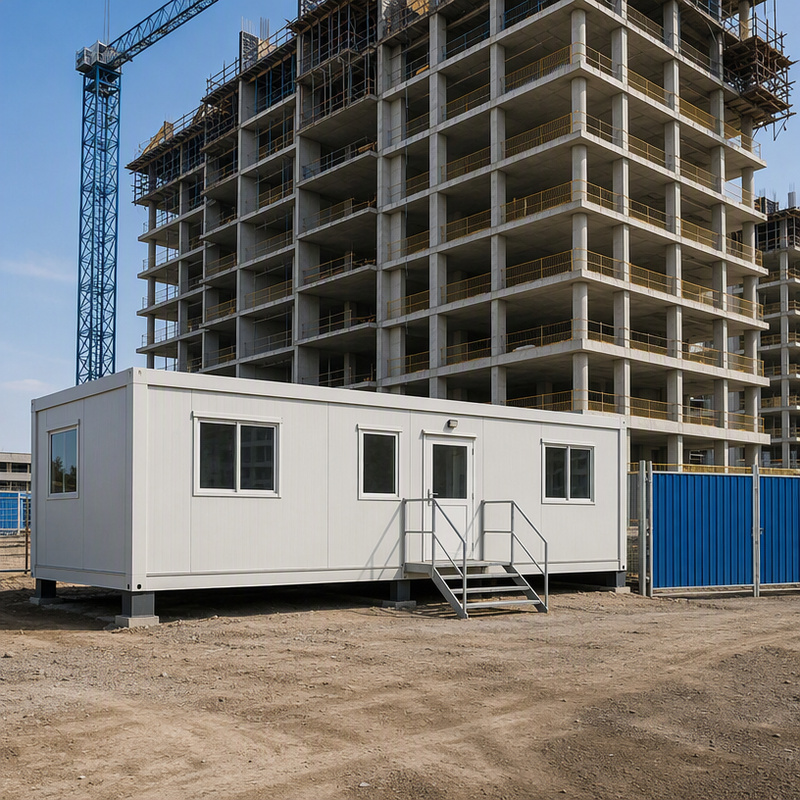
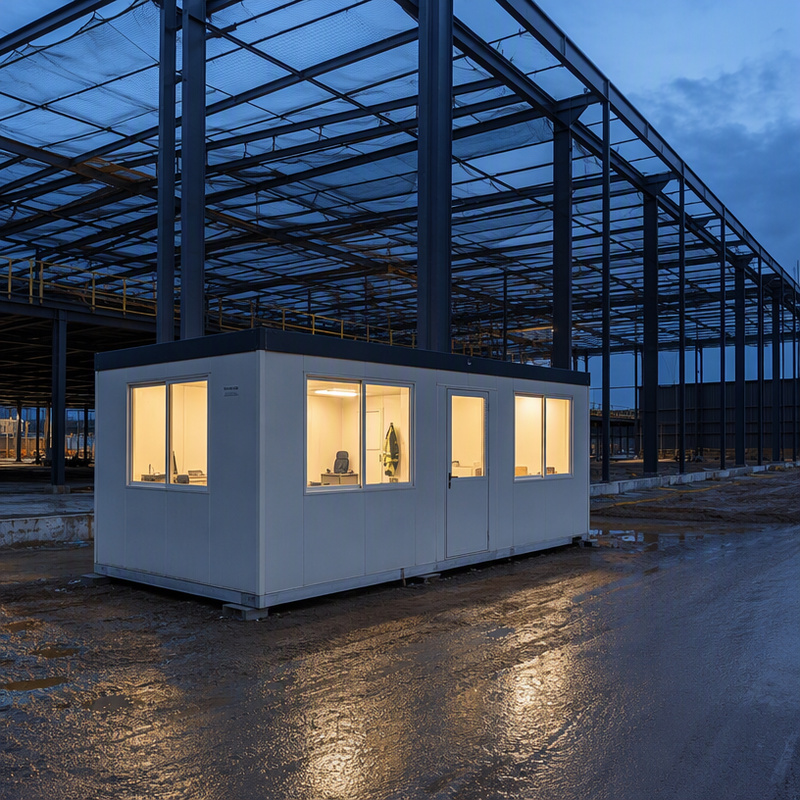
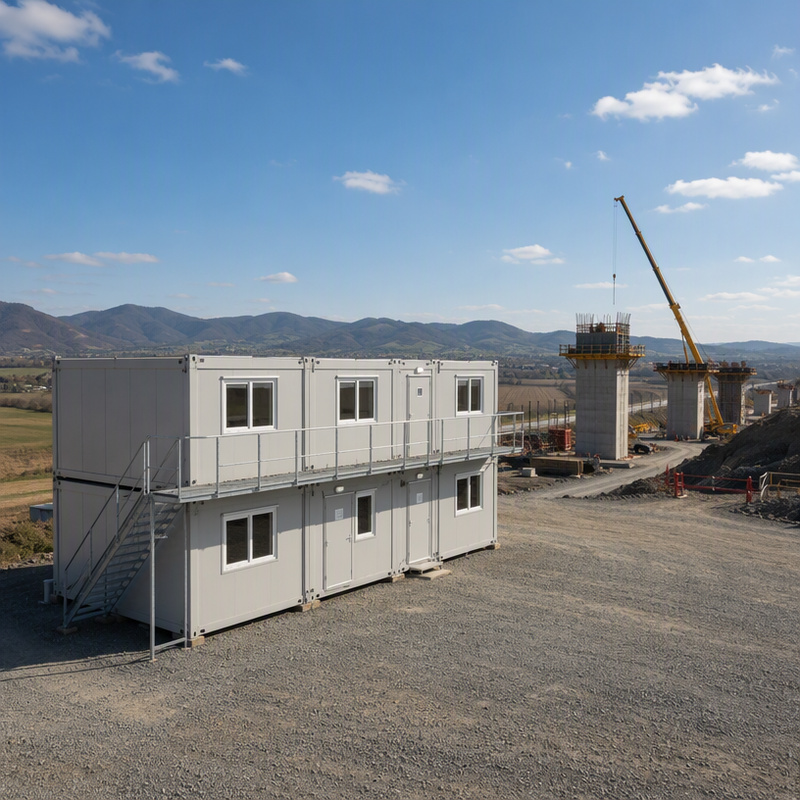
site office in construction

When planning a construction project, selecting the right site office in construction is a critical consideration. Site offices serve as the operational hub for communication, planning, and management on construction sites. For purchasing managers and project engineers, understanding the various aspects of steel structures, including their benefits and challenges, is essential. This article will explore key factors to consider when choosing steel structures, cost-effective solutions, installation tips, common problems, and the technical specifications of color steel plates, helping buyers make informed decisions.
Cost-Effective Solutions for Contractors

Cost-Effective Solutions for Contractors

To achieve cost-effective solutions in construction, especially when utilizing steel structures, it’s vital to evaluate the total cost of ownership rather than just the purchase price. Factors that contribute to overall costs include material quality, installation expenses, and long-term maintenance needs.

One approach is to optimize the design of steel structures. For instance, using lighter steel sections can reduce material costs and lower transportation fees. However, ensure that these designs do not compromise safety or functionality. Collaboration with experienced engineers can streamline designs to enhance efficiency while maintaining compliance with safety standards.

Moreover, consider bulk purchasing options. By negotiating with suppliers for larger quantities, you may benefit from reduced pricing per unit. This approach is particularly effective for contractors involved in multiple projects or those who anticipate future needs for similar materials.
Installation Tips for Steel Trusses and Beams in Projects

Installation Tips for Steel Trusses and Beams in Projects

Proper installation of steel trusses and beams is essential for ensuring the structural integrity of your construction project. Start by verifying that all components are delivered as per specifications. Inspect for any damages or inconsistencies before installation begins.

When setting up steel trusses, ensure that the anchoring points are strategically placed to distribute loads evenly. It’s also advisable to use temporary bracing during installation to prevent any shifting or misalignment. This is particularly important during the initial phases when the structure is not fully secured.

Additionally, it’s crucial to follow the manufacturer's guidelines regarding welding and bolting. Use appropriate techniques and tools to ensure secure connections that meet specified standards. Lastly, conduct a thorough inspection after installation to confirm that all connections are tight and the structure meets all safety requirements.

Common Problems in Steel Construction and Effective Solutions

Common Problems in Steel Construction and Effective Solutions

Steel construction can encounter several common issues that, if not addressed, may lead to significant setbacks. One frequent problem is corrosion, particularly in environments with high humidity or exposure to chemicals. To mitigate this, ensure that appropriate protective coatings are applied during manufacturing and that maintenance checks are scheduled regularly. Utilizing PU PIR Insulated Wall Sandwich Panel High Thermal Efficiency Cladding can also help improve durability.

Another issue is misalignment during assembly, which can lead to structural weaknesses. To combat this, maintain accurate measurement protocols and utilize laser alignment tools during installation. Training crew members on proper techniques can also reduce the likelihood of such errors.

Lastly, supply chain disruptions can delay projects, especially in the current global market. Establish relationships with multiple suppliers to ensure a steady flow of materials. Having contingency plans in place will help manage unexpected shortages or delays.

Understanding Technical Specifications of Color Steel Plates

Color steel plates are increasingly popular in construction due to their aesthetic appeal and functional benefits. When considering color steel plates for your project, understanding technical specifications is crucial.

First, assess the thickness of the plates, as this directly affects durability and insulation properties. Typically, thicker plates provide better protection against environmental elements. Additionally, consider the coating type—polyester and PVDF (polyvinylidene fluoride) coatings are common, offering varying levels of UV resistance and longevity.

Another important specification is the steel grade, which indicates the material's strength and ductility. Higher-grade steel plates can withstand greater stress and are preferable for load-bearing applications. Moreover, inquire about the manufacturing processes used, as techniques such as cold-rolling can enhance surface finish and performance characteristics.

To ensure that the selected color steel plates meet your project’s requirements, confirm compatibility with local standards and any specific building regulations. Additionally, request samples to evaluate surface appearance and finish before committing to larger orders.

By focusing on these critical aspects, purchasing managers and engineers can make informed decisions regarding site offices in construction and ensure that their projects are both cost-effective and structurally sound.

What to Consider When Choosing Steel Structures for Construction

When selecting steel structures for your construction project, several key factors must be considered. First, assess the load requirements based on the intended use of the structure. The load-bearing capacity of different steel sections—such as H section steel, box columns, or beams—will vary based on their dimensions and material properties. It’s crucial to consult with structural engineers to determine the appropriate configurations that meet your specific load requirements.

Additionally, consider the environmental conditions of the site. For outdoor applications, materials must withstand varying weather conditions, including moisture and temperature fluctuations. Steel treated with protective coatings can enhance durability by resisting corrosion. In regions prone to seismic activity, it’s also important to choose designs that comply with local building codes to ensure safety and structural integrity. For instance, using a Galvanized Cross (X) Bracing System Steel Wind Bracing can provide additional stability.

Finally, the project’s budget and timeline are critical. While initial costs are essential, consider the long-term value of investing in high-quality steel structures that require less maintenance and offer greater longevity.

Frequently Asked Questions

What is a site office in construction?

A site office is a temporary on-site building used for project management, meetings, storage of documents, worker welfare, and supervision during construction.
We use light steel frames, color steel profiled plates, composite panels, H-section steel and purlins for durable, lightweight site offices.
Yes. We offer custom sizes, layouts, insulation, door/window placements and additional fittings to suit specific project requirements.
With advanced production lines and CNC equipment we typically achieve fast manufacturing; delivery and installation times depend on order size and site conditions.
Yes. We provide required fabrication documentation, quality inspections and after-sales support for maintenance and installation guidance.

Get a Free Quote

Our representative will contact you soon.
Email
Name
Company Name
Message
0/1000

Related product categories

Get a Free Quote

Our representative will contact you soon.
Email
Name
Company Name
Message
0/1000