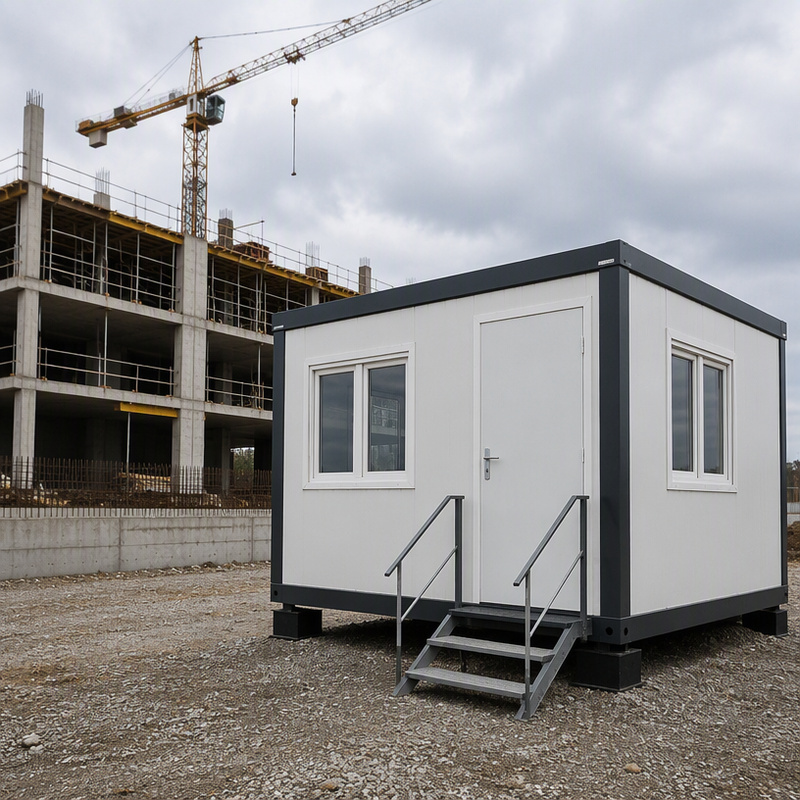
Key Factors for Temporary Construction Site Offices

All Categories

temporary construction site office

Temporary construction site offices are essential facilities that provide workspace  and support for  construction projects.  Designed  for  portability and efficiency, these structures serve as hubs for project management, equipment  storage, and  worker accommodations.  Key concerns for B2B  buyers of  temporary construction site offices often include  quality, ease of installation, and  cost-effectiveness. This  article aims to guide  purchasing managers, engineers, and project  managers  through the  critical specifications,  quality evaluation, cost  factors, installation guidance, and applications  of temporary construction site offices.
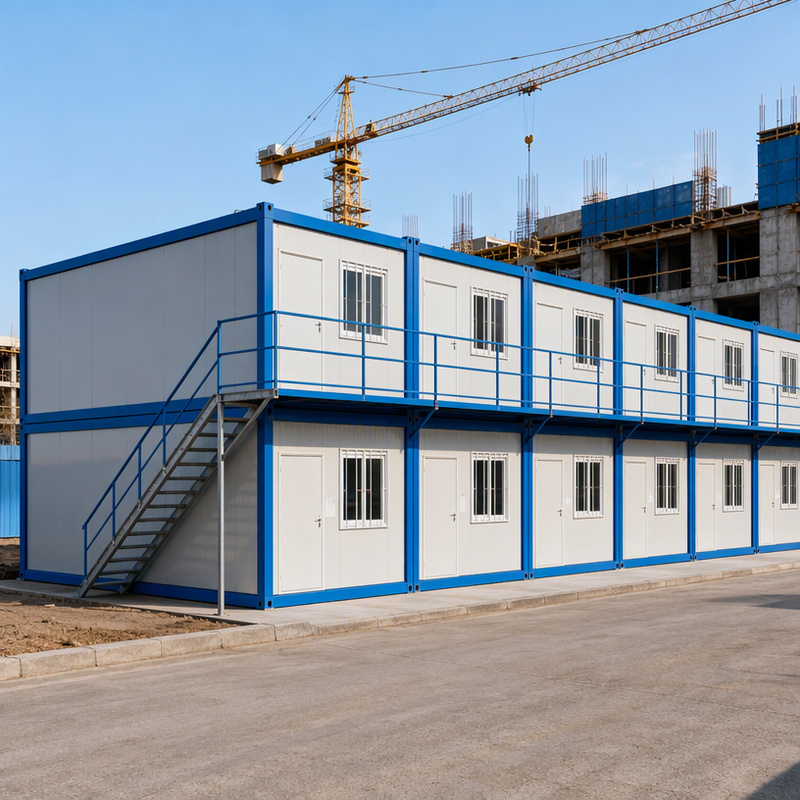
How to Evaluate the Quality of Temporary Construction Site Offices

How to Evaluate the Quality of Temporary Construction Site Offices

Quality evaluation is a vital aspect of purchasing temporary construction site offices. Here are  key factors  to consider:

Material Quality: Inspect the materials used in construction. High-quality steel should have proper  thickness and corrosion resistance to ensure longevity, especially for outdoor  use.

Manufacturing Standards: Look for compliance with local building codes and  industry standards. This can include certifications that the manufacturer  adheres to quality assurance processes.

Inspection  Process: Before committing to a bulk  order, request samples or conduct  site visits to assess the manufacturing process. Understanding the factory's capabilities and quality control  measures can reveal potential issues.

User Feedback: Gathering insights from previous customers  can provide valuable  information about the product’s performance  in  real-world conditions.

By carefully evaluating these  aspects, buyers can  mitigate risks associated with quality and  performance.
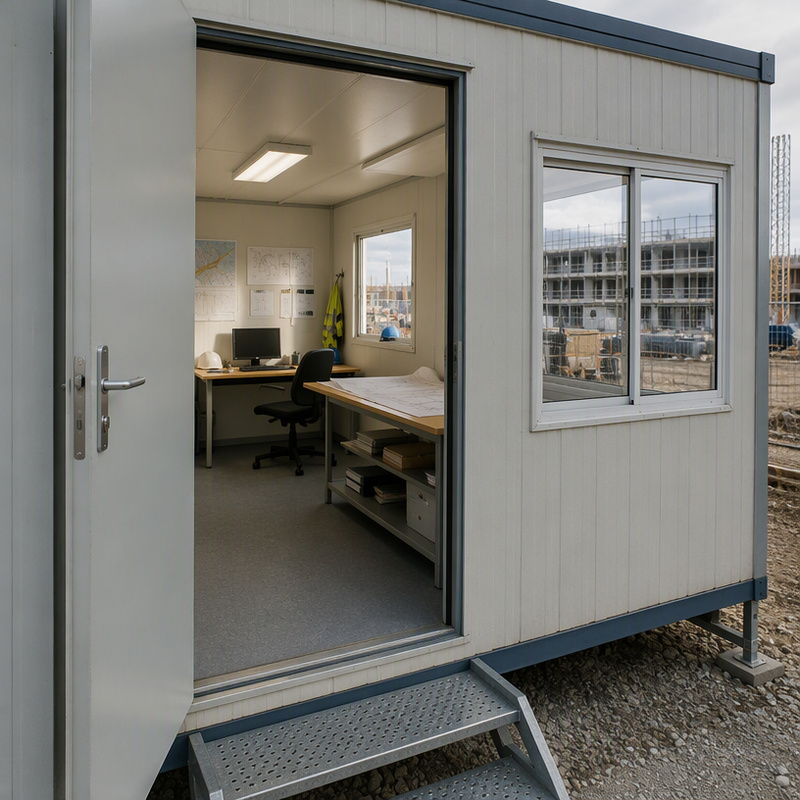
Cost Factors to Consider When Purchasing Temporary Construction Site Offices

Cost Factors to Consider When Purchasing Temporary Construction Site Offices

Cost is a significant factor in the decision-making process. Here are the primary elements  affecting pricing:

Material Costs: The type  of materials used directly influences the cost. Higher-grade  steel and additional features like insulation or weatherproofing  can increase the overall price.

Customization Requirements: Custom features such  as specific dimensions, layouts, or additional amenities can lead to higher costs. Clearly define your requirements to  receive accurate quotes.

Quantity Ordered: Many manufacturers offer discounts for bulk orders.  Understanding the minimum order quantity  (MOQ) can help you plan your budget effectively.

Shipping and Installation: Consider the costs associated  with transportation to the site  and any required assembly or installation  services. These can add significantly to the  total  expenditure. Additionally, exploring Commercial Metal Building Kits might provide cost-effective solutions for your needs.

Evaluating these  costs will help buyers  make  informed budgetary decisions  and avoid unexpected expenses.

Installation Guidance for Temporary Construction Site Offices

Installation Guidance for Temporary Construction Site Offices

Proper installation is essential for the  functionality and durability of a temporary construction site  office.  Here are crucial steps  to follow:

Site Preparation: Ensure the  installation site  is level and clear of debris.  This helps in achieving  stability and  preventing future  structural  issues.

Assembly Instructions: Follow the manufacturer’s assembly  guidelines closely. Pay attention  to the  sequence of installation and  the tools required for  each step.

Connection to Utilities: If the office includes electrical or plumbing systems, ensure that licensed professionals handle the connections. This ensures  compliance with safety standards and  functionality.

Final Inspection: Once installed, conduct a thorough inspection to check for any defects or installation issues. Addressing these promptly can save time and resources  later.

By adhering to these guidelines, the installation process can be streamlined, ensuring  the office is ready for immediate use.

Exploring Applications for Temporary Construction Site Offices in Construction Projects

Temporary construction site offices serve  various functions within construction projects:

Project Management: They provide a central location for project managers and teams to coordinate  activities, review plans,  and conduct meetings.

Worker  Accommodations: These offices can be outfitted  with amenities such as break rooms and  rest areas, enhancing worker satisfaction and productivity.

Equipment Storage: Secure storage for tools and equipment  can be incorporated,  reducing the risk of  theft or damage on-site.

Field Offices for  Specialists: Engineers and consultants  can utilize these offices  as on-site workspaces, facilitating easier communication and immediate troubleshooting.

Understanding the  versatile applications  of temporary construction site offices can help buyers tailor their selection to the specific needs of their  projects, maximizing their investment.

Temporary construction site offices are  vital to the efficiency and effectiveness of construction projects. By carefully considering specifications,  quality evaluation, cost factors, installation  guidance, and various applications, B2B buyers can make informed decisions that meet their project's unique requirements.

Key Specifications for Temporary Construction Site Offices to Consider

When selecting a temporary construction site office, several specifications are crucial:

Structural Integrity: The office should be constructed using  high-quality materials such as steel frames and reinforced panels. This ensures durability  and the  ability to withstand  harsh weather conditions.

Dimensions: The size of the office should  accommodate the anticipated number of users, equipment, and furniture. Common dimensions range from 10x20 feet  to larger configurations, depending on project requirements.

Material Selection: Color steel profiled plates are often used due to their lightweight and resistant  properties. Buyers should confirm the gauge and finish of the steel to ensure adequate  strength and insulation. For those considering broader applications, exploring Steel Structure Buildings can provide additional insights.

Mobility  Features: Many temporary offices come with wheels or modular designs to facilitate easy relocation. Consideration of transportability  is essential for projects that require frequent site changes.

Utilities and Amenities: Check for options  that include electrical setups, HVAC systems, and plumbing.  These features enhance functionality  and worker comfort.

Understanding  these specifications will help you  ensure that the chosen office meets  the specific needs of the  project.

Frequently Asked Questions

What is the temporary construction site office made of?

Our site office uses light steel frames and color steel profiled plates with composite panels, offering durability, corrosion resistance and good thermal performance.
We offer customizable dimensions and layouts including single units, modular clusters and multi-room configurations to suit office, dormitory or meeting needs.
With advanced production lines and CNC equipment we provide fast fabrication; typical lead times depend on order size but we prioritize rapid turnaround for construction projects.
Yes. The modular light-steel design and standardized connections allow quick on-site assembly, disassembly and relocation with minimal tools and labor.
Yes. We integrate design, production and sales, offering structural customization, drawings and technical support to meet specific engineering and site requirements.

Get a Free Quote

Our representative will contact you soon.
Email
Name
Company Name
Message
0/1000

Related product categories

Get a Free Quote

Our representative will contact you soon.
Email
Name
Company Name
Message
0/1000