EN
The structure of metal plays a crucial role in various engineering and construction projects, offering strength, stability, and versatility. As professionals in manufacturing and procurement, understanding the right metal structures is essential for ensuring the success of your projects. This article will address key concerns regarding metal structures, including specifications, sourcing, and the advantages of specific materials, ultimately helping you make informed purchasing decisions.
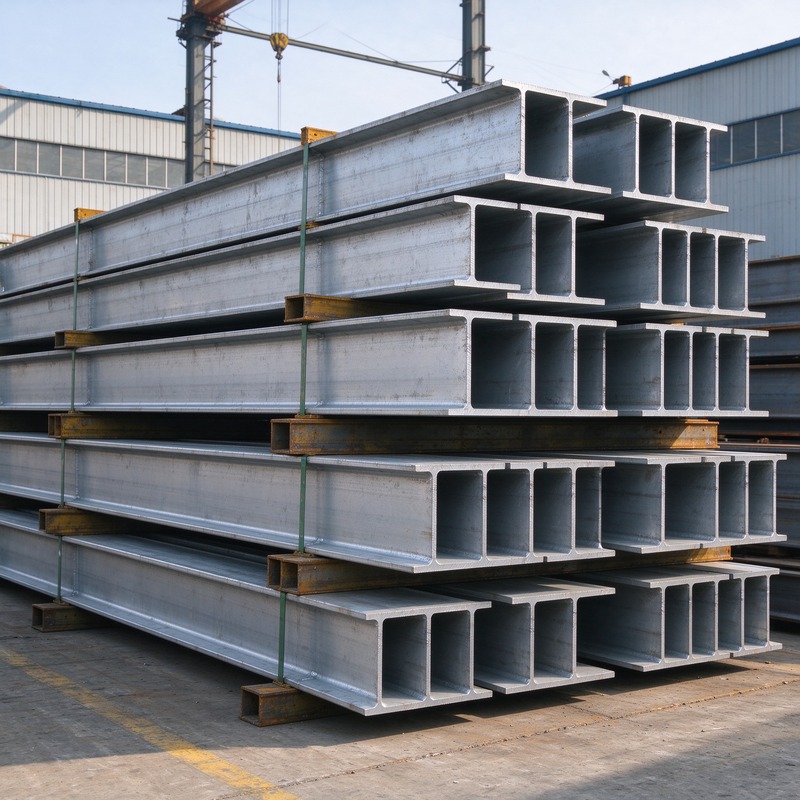
Key Specifications of H Section Steel and Box Columns Explained
When evaluating H section steel and box columns, several key specifications should be considered:
Dimensions: The width, height, and thickness of the steel affect its load-bearing capacity and suitability for specific applications. For example, larger dimensions may be needed for structures that support significant weight.
Material Grade: Different grades of steel provide varying levels of strength and corrosion resistance. For projects exposed to harsh environments, opting for higher-grade materials can enhance durability and longevity.
Welding and Fabrication Standards: Quality standards for welding and fabrication are crucial for ensuring structural integrity. Verify that the manufacturer adheres to industry standards, as this can significantly impact the performance of the final product.
Surface Treatment: Depending on the application, surface treatments such as galvanization or painting can provide additional protection against corrosion and wear, extending the lifespan of the structure.
Load Capacity: Understanding the maximum load a particular section can bear is essential. Manufacturers often provide load charts that can help you assess whether a specific product meets your project’s requirements.
By closely examining these specifications, you can ensure that the metal structure chosen will perform effectively in its intended application.