
Solarium Construction: Key Materials and Suppliers

All Categories

solarium construction

Building  a  solarium  is an  intricate process that  requires careful consideration of  materials, design, and structural integrity. Solarium construction  often  involves the  use of specialized  components, making  it crucial for buyers  to understand their options and  the  implications  of their  choices. This article will guide purchasing managers, engineers, and project managers through essential topics such as material selection, supplier evaluation, quality control measures, installation challenges, and  the benefits of steel structures  in solarium designs, all aimed at ensuring a successful and  efficient  construction process.
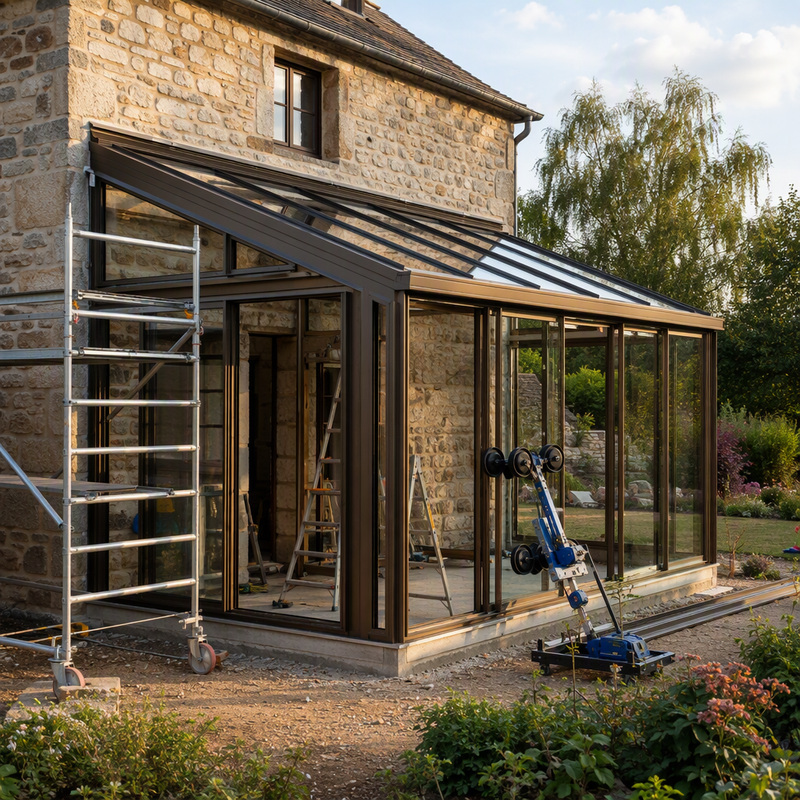
Where to Find Reliable Suppliers for Solarium Components

Where to Find Reliable Suppliers for Solarium Components

Finding  a reliable supplier for  solarium components  is crucial to the success  of your construction project. Start by evaluating suppliers  based on their experience, product range, and production capabilities. Trade shows and industry events can be excellent venues for meeting potential suppliers and  assessing  their offerings.


Another effective approach is to solicit recommendations from industry peers or consult online directories that specialize in construction materials. When assessing  a supplier, consider the following:

  Production Capacity: Ensure the supplier can  meet your  project timelines and order volumes. Customization Capabilities: Verify  if they can  tailor products to meet your specific design  requirements, such  as dimensions and load specifications. Quality Assurance: Inquire about  their quality  control processes and certifications to guarantee that their products meet industry standards.

Shenyang Haibo Weiye Light Steel  Color Plate  Co., Ltd, for instance, is equipped with advanced production lines that allow for the manufacture of high-quality steel components essential for solarium construction, including solutions like warehouse buildings that offer versatility in design.
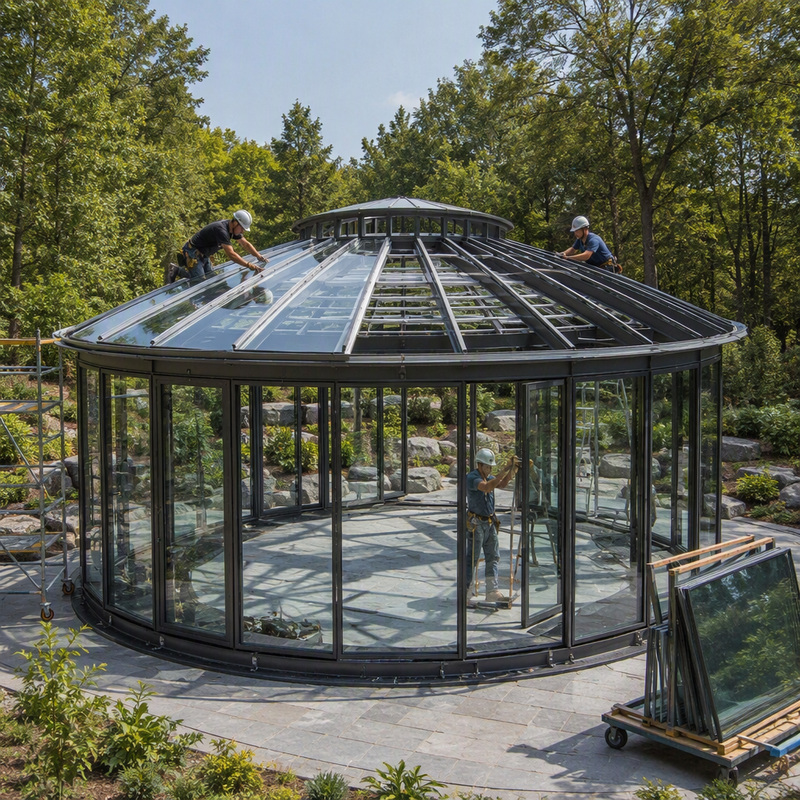
Quality Control Measures for Solarium Construction Materials

Quality Control Measures for Solarium Construction Materials

Quality control is a critical component of solarium construction to  ensure that materials perform as expected over  time.  Effective quality control measures should include:

Material Testing: Before materials are approved for  use, conduct thorough testing to check for strength, durability, and thermal  efficiency. For example, steel components should  be tested for tensile strength to ensure they can handle expected loads. Supplier  Audits: Regular audits of your suppliers’ production  processes can help identify potential issues before they affect your project. This  includes checking for  compliance  with industry standards  and  evaluating their quality management systems.  Sample Approvals: Before mass  production, it is advisable to obtain samples of key components.  Inspect these samples under real-life conditions to assess performance, fit,  and finish.

Implementing these measures can  help  mitigate risks associated with material failures and ensure the longevity of your solarium.

 
Common Installation Challenges in Solarium Construction Explained

Common Installation Challenges in Solarium Construction Explained

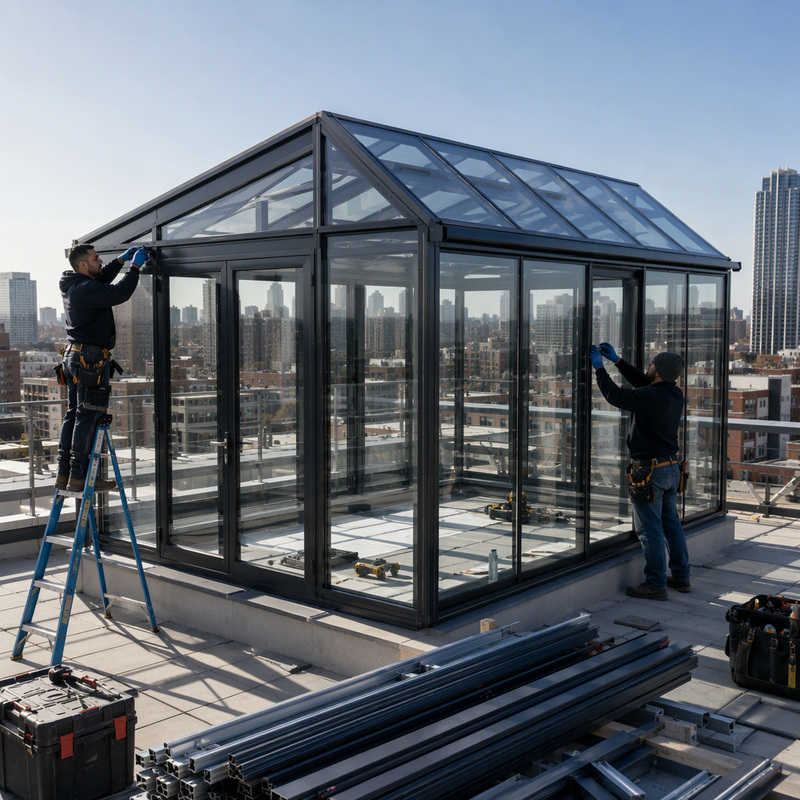
Installing a solarium can present various challenges  that require advanced planning and expertise. Some common installation difficulties include:

Structural Integrity:  Ensuring that the foundation and supporting structures are capable  of bearing the weight of the solarium and  any  additional loads, such as snow or  wind. Sealing  and Insulation: Properly sealing joints and  connections is  essential to prevent air leaks and moisture ingress. Poor insulation can lead to increased energy  costs  and discomfort. Alignment Issues: Achieving precise alignment of components like  frames and glass panels  is crucial for aesthetic  and functional  purposes. Misalignment can lead to water pooling or structural weaknesses. 

Having  a clear installation plan  and involving  skilled professionals can help mitigate these challenges,  ensuring a smoother construction process.

Evaluating the Benefits of Steel Structures in Solarium Designs

Utilizing steel structures in solarium designs offers  numerous advantages that enhance  both functionality and aesthetics:

Strength and Durability:  Steel  components, such as those produced by Shenyang Haibo Weiye, offer exceptional strength, making them ideal for large spans and heavy loads. Design Flexibility: Steel can be molded into various shapes and sizes, allowing for innovative  designs  that can meet specific  architectural requirements. Low Maintenance: Steel structures typically require less maintenance than wood or other materials, reducing long-term  operational costs.  Sustainability: Steel is often recyclable, making it a sustainable choice for environmentally conscious builders.

When considering materials for solarium construction, steel components  should be  evaluated not only for their  structural benefits but also for their long-term value and performance.


In summary, understanding the intricacies of solarium construction is essential for  making  informed  material and supplier choices. By  focusing on quality control, installation challenges,  and the benefits of using steel structures, B2B  buyers can ensure a successful and efficient building process that meets their  specific needs.

How to Choose the Right Materials for Solarium Construction

Selecting the appropriate materials for solarium construction is vital to ensure durability, energy efficiency, and  aesthetic appeal. Common materials include glass, aluminum,  wood, and steel. Each material offers distinct advantages:

Glass provides excellent natural light  and can  be treated  for thermal  efficiency, but it  requires robust framing. Aluminum is lightweight and resistant  to corrosion, making it a popular choice for framing. However,  it  may not provide the best insulation unless  combined with thermal breaks. Wood  offers a traditional look and good insulation but requires regular maintenance and  protection from moisture. Steel, particularly products like H section  steel and color steel profiled plates, offers unparalleled strength and longevity.  It is ideal for structures that  need to withstand heavy loads  and harsh weather conditions.

When choosing materials, consider factors such as local climate, intended use, and budget constraints. Additionally, ensure that the materials meet relevant building codes and  performance  requirements specific to your  project.

Frequently Asked Questions

What solarium construction services do you offer?

We provide design, fabrication and installation of steel-frame solariums using H-section steel, box columns, beams, trusses, composite plates and color steel panels for varied engineering scenarios.
Yes. We integrate design and production to customize dimensions, load capacity, materials and finishes to meet architectural and site requirements.
We use H-section steel, box columns, beams, steel trusses, composite plates, color steel profiled panels and purlins produced on advanced lines and CNC equipment.
Yes. Our engineering team supplies structural calculations, fabrication drawings and quality inspections to ensure compliance with applicable standards and project specifications.
Lead time varies by size and complexity. Small projects can be weeks; larger engineered solariums may take months. Contact us with project details for a precise schedule.

Get a Free Quote

Our representative will contact you soon.
Email
Name
Company Name
Message
0/1000

Related product categories

Get a Free Quote

Our representative will contact you soon.
Email
Name
Company Name
Message
0/1000