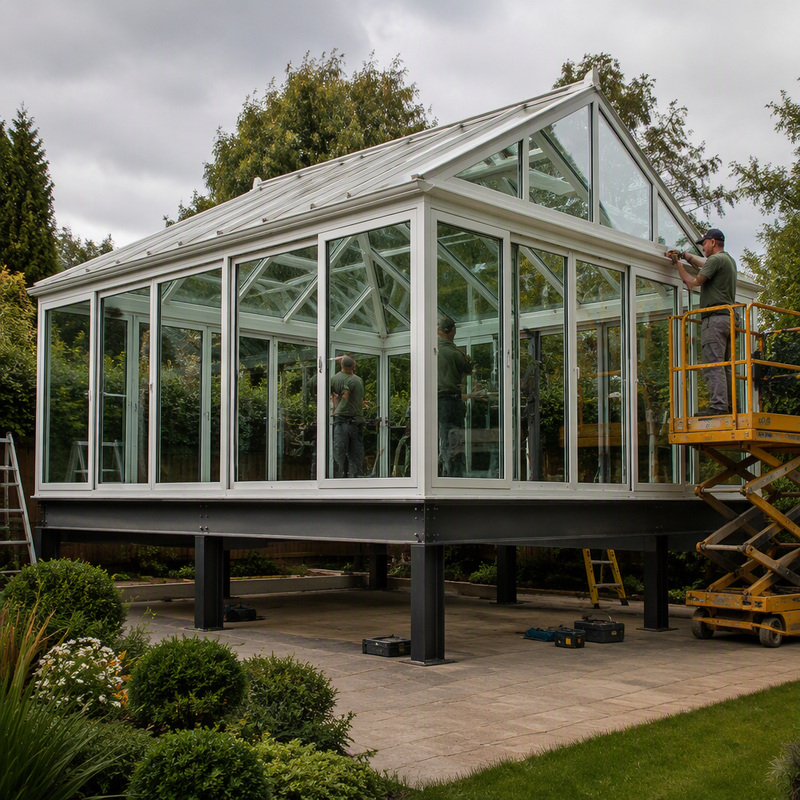
Key Considerations for Sunroom Construction Projects

All Categories

sunroom construction

Sunroom  construction  involves creating  a space that enhances natural light and connects  the  indoors with  the outdoors. As a purchasing manager or project engineer,  your  primary  concerns  revolve around sourcing high-quality materials, understanding installation requirements,  and evaluating the  overall cost. This article will guide you through  essential considerations  for sunroom kits, help  you identify reliable suppliers,  and  provide  insights into installation  and  application specifics.
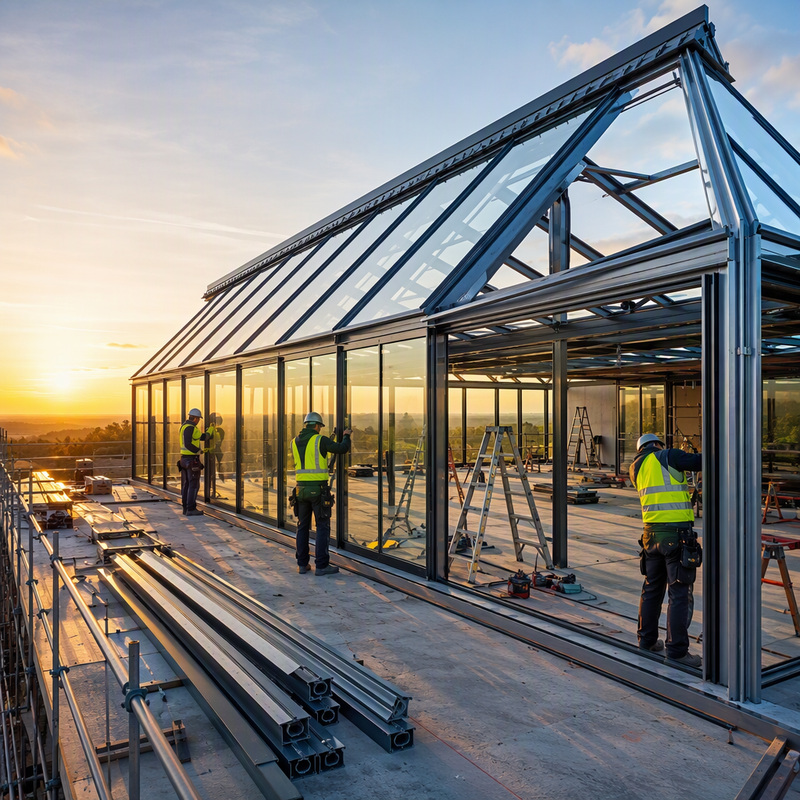
Where to Find Reliable Suppliers for Sunroom Construction

Where to Find Reliable Suppliers for Sunroom Construction

Finding reliable suppliers for sunroom construction can streamline your purchasing process. Here are a few strategies to  consider:

Industry Directories  and Trade Shows: Utilize industry  directories  to  locate manufacturers specializing in  sunroom kits.  Attending trade shows allows you to meet suppliers in person, evaluate their offerings, and discuss customization options.


Online Research and Reviews: Conduct thorough online research to identify reputable manufacturers. Look  for customer reviews and case studies that reflect their experience in sunroom construction. Pay attention to their production capabilities and certifications, which can indicate reliability.

Referrals  from Industry Peers: Network with  industry peers and seek referrals. A supplier recommended by another  purchasing manager or project engineer can often provide  insights into their strengths and weaknesses.

Evaluate Manufacturing  Capabilities: Choose suppliers with  robust  manufacturing capabilities, such as advanced production lines and  quality control processes. This  ensures that they can meet your specifications  and handle any customization needs.
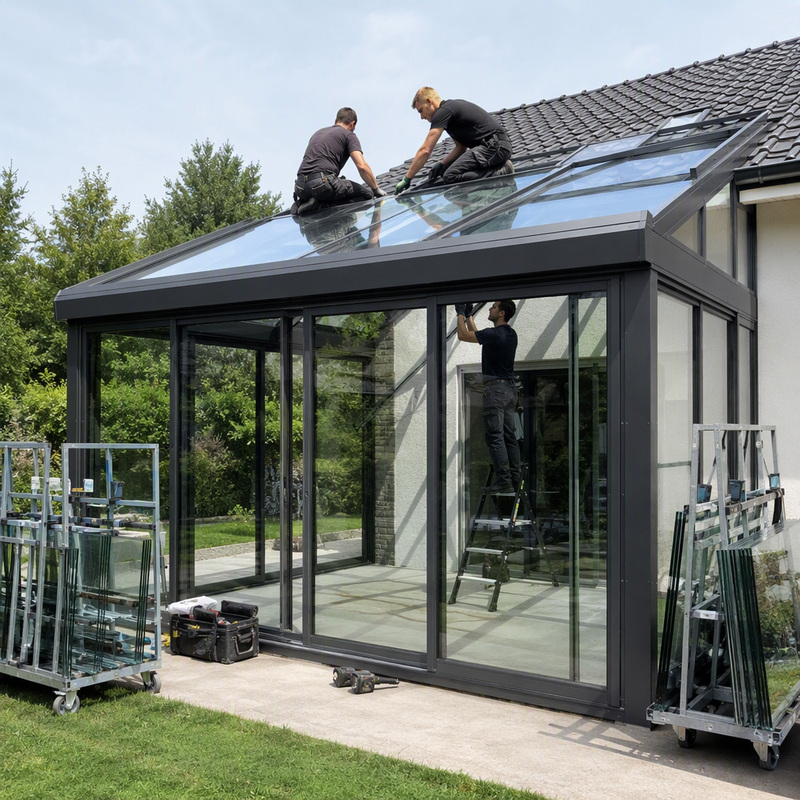
Cost Factors to Evaluate for Your Sunroom Projec

Cost Factors to Evaluate for Your Sunroom Projec

Understanding the cost factors involved in sunroom  construction  is vital for budgeting effectively. Consider the following:

Material Costs: The  cost  of materials can fluctuate based on market conditions and supplier  pricing. Obtain quotes from multiple suppliers to  ensure competitive pricing. Remember that while cheaper materials may reduce  initial costs, they could affect long-term durability and maintenance.

Labor Costs: Factor in the  cost of installation, which may vary based on the complexity of the project. If you're hiring contractors, request  detailed estimates that include labor, timeframes, and any additional costs.

Customization Fees: Custom designs may incur  additional fees. Discuss any specific requirements upfront to avoid surprises later in the  process.

Permitting and Inspection Fees:  Depending on local regulations, you may  need permits for construction.  Ensure to account for these costs and any  additional  inspections that might be required.

Shipping and Handling: Consider transportation costs, especially if sourcing materials from distant suppliers.  Understanding the logistics involved can help you  avoid unexpected  expenses.

 
Installation Guidance for Efficient Sunroom Assembly

Installation Guidance for Efficient Sunroom Assembly

Proper installation is critical to the longevity  and functionality of your sunroom. Here  are  some best practices for efficient assembly:

Pre-Installation Planning: Ensure that all materials and  components are on-site before beginning the installation. This includes verifying dimensions, layouts,  and  any  required tools. A thorough checklist can help prevent  delays.

Foundation  Preparation: The foundation must  be solid and level to support the  sunroom structure. If using steel components, check compatibility with your existing  foundation. Improper alignment can lead to structural issues.

Follow  Manufacturer Instructions: Each sunroom kit may come with specific installation guidelines. Adhering to these can prevent common installation mistakes. If uncertainties arise, consult the supplier for clarification.

Quality Control Checks: During installation, perform regular quality checks to ensure components fit properly and meet specifications. This  includes checking for any gaps or misalignments  that could  affect insulation or aesthetics.

Post-Installation Inspection: Once the installation is complete, conduct a thorough inspection. Look for signs of leaks, structural stability, and  overall appearance.  A final quality check can help identify  issues before they  become significant problems.

Exploring Applications for Custom Sunroom Designs in Projects

Custom sunroom designs can serve various applications in both residential and commercial projects. Understanding these applications can guide your  design choices:

Residential  Uses: In homes,  sunrooms can function as relaxing spaces, dining  areas, or home offices. Customization options allow for personalized features, such as integrated shelving or specialized lighting.

Commercial Spaces: For businesses, sunrooms can enhance  customer experience, providing  a unique dining  area for restaurants or a pleasant waiting area for service-oriented industries. The design can reflect the brand's aesthetics, creating an inviting atmosphere.

Seasonal Adaptability: Custom designs can also accommodate seasonal  use.  Features such as  retractable screens or adjustable ventilation can transform  the sunroom's functionality throughout the year.


Energy Efficiency: Custom sunrooms can be designed  with energy efficiency in mind, incorporating solar  panels or energy-efficient materials that contribute to overall building sustainability. Utilizing materials like sandwich panels can enhance insulation and energy savings.

Compatibility  with Existing Structures:  When integrating a sunroom into an existing  building, ensure  that the design complements the architecture. Custom features can enhance this integration, making the transition seamless.

By considering  these  factors and insights, you can make informed decisions about sunroom construction that align with your project's goals and budget.

Key Specifications to Consider When Sourcing Sunroom Kits

When sourcing sunroom kits, several key specifications are essential to ensure the project meets both aesthetic and functional  requirements.

Material Selection: The choice of materials affects  durability, insulation, and maintenance.  Common materials include aluminum, vinyl, and wood. Aluminum offers a lightweight  and corrosion-resistant option, while vinyl is low-maintenance and  energy-efficient. Wood provides a classic look but may require more upkeep.

Dimensions and Design: The dimensions of the  sunroom should align with the intended  use and available space.  Customization options may be necessary based on building codes or architectural styles. Ensure the design allows for optimal natural light while providing sufficient ventilation.

Thermal Performance: Look for thermal insulation specifications, such  as  U-values and solar heat gain coefficients (SHGC). These metrics help assess the energy efficiency  of the sunroom, impacting heating and  cooling costs.

Structural Integrity:  Ensure that the kit includes structural components like H section steel and beams that meet local building codes. As a manufacturer with  advanced steel structure production capabilities, understanding load-bearing  requirements is crucial  to ensure safety and durability. For example, utilizing steel structure components can significantly enhance the stability of your sunroom.

Finish and Aesthetics: The finish of the materials can significantly affect the visual appeal of  the sunroom. Options may  include different colors and textures for the outer surfaces, which can enhance compatibility with existing structures.


Frequently Asked Questions

What sunroom types do you design and build?

We design and build steel-framed sunrooms including attached, standalone, conservatory and custom solutions using H-section steel, box columns, trusses and color steel panels for diverse projects.
Yes. With advanced production lines and CNC/welding equipment, we produce large volumes and tailor structural components for custom sizes and engineering requirements.
We use H-section steel, box columns, beams, steel trusses, composite plates, color steel profiled plates and purlins to ensure strength, durability and suitable thermal properties.
Quality is ensured via precision CNC fabrication, certified welding processes, and engineered steel components with controlled production and inspection throughout fabrication.
Yes. We integrate design, production and sales to offer end-to-end services from structural design and manufacturing to delivery and support for installation.

Get a Free Quote

Our representative will contact you soon.
Email
Name
Company Name
Message
0/1000

Related product categories

Get a Free Quote

Our representative will contact you soon.
Email
Name
Company Name
Message
0/1000